Goodbye, Bodrum

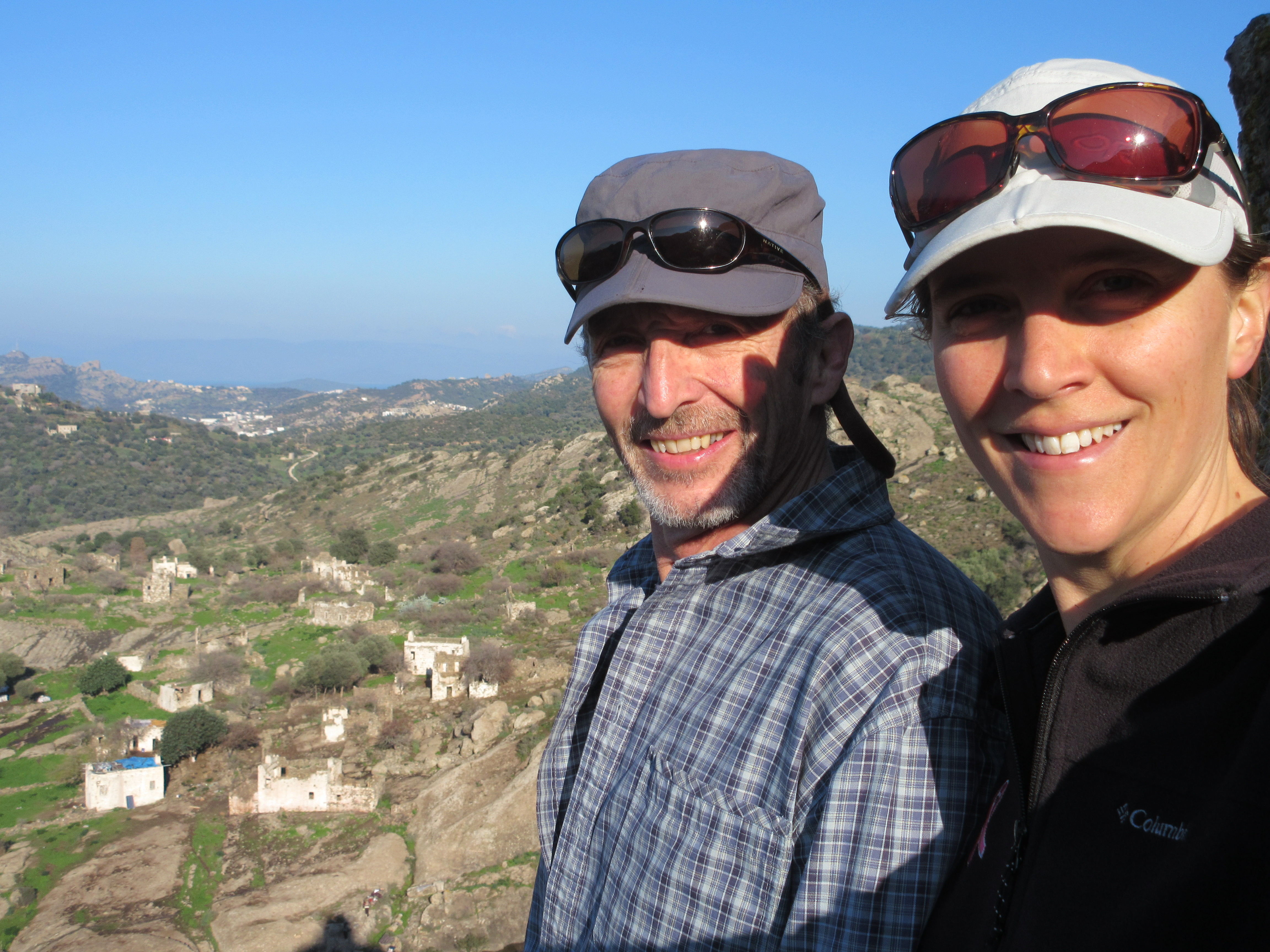
Us up on a rocky promontory overlooking abandoned Sandima.

Us up on a rocky promontory overlooking abandoned Sandima.

In addition to our trip to Ephesus, we explored the greater Bodrum peninsula. The entire peninsula is a tourist destination for Turks and Europeans. Many people return to the same resort every summer. The Istanbul jet-set fly down for the weekend to escape the city bustle and winter weather. Despite this, some of the communities outside Bodrum have retained their small town flavor. With the excellent public transit system, we were able to take day trips to every corner. The coastline is rugged in places and views of the Aegean and Greek Islands are everywhere.

Citrus season! You can buy a 2 pounds of these guys for less than a dollar!

Citrus season! You can buy a 2 pounds of these guys for less than a dollar!

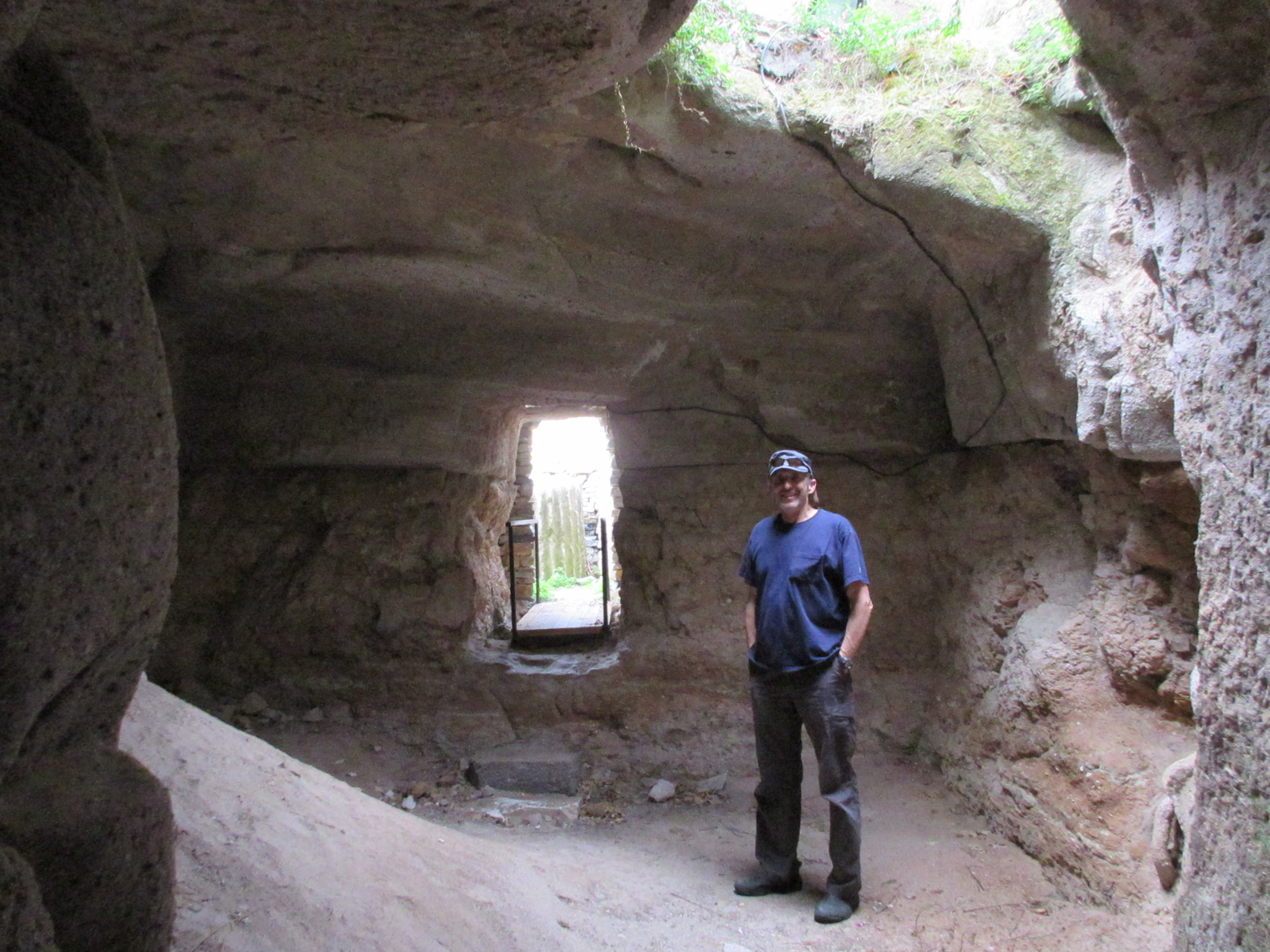
One afternoon we discovered a fun juxtaposition, the towns of Yalikavak and Sandima. Yalikivak seems to have embraced wealthy yachters. We walked by fancy shops, art galleries, fashionistas, and a large marina for mega yachts. A short walk from the strip is a thriving community with many gardens and orange groves. Providing quite a contrast, Sandima is an abandoned village above Yalikivak. It is a 30 minute walk from from downtown. Stone houses stand silently in various states of disintegration. Very few have roofs, most have lost part of a wall. The orange, pomegranate, and olive trees are reminders of habitation. The houses are scattered on either side of a gentle valley, full of grazing goats and small caves.
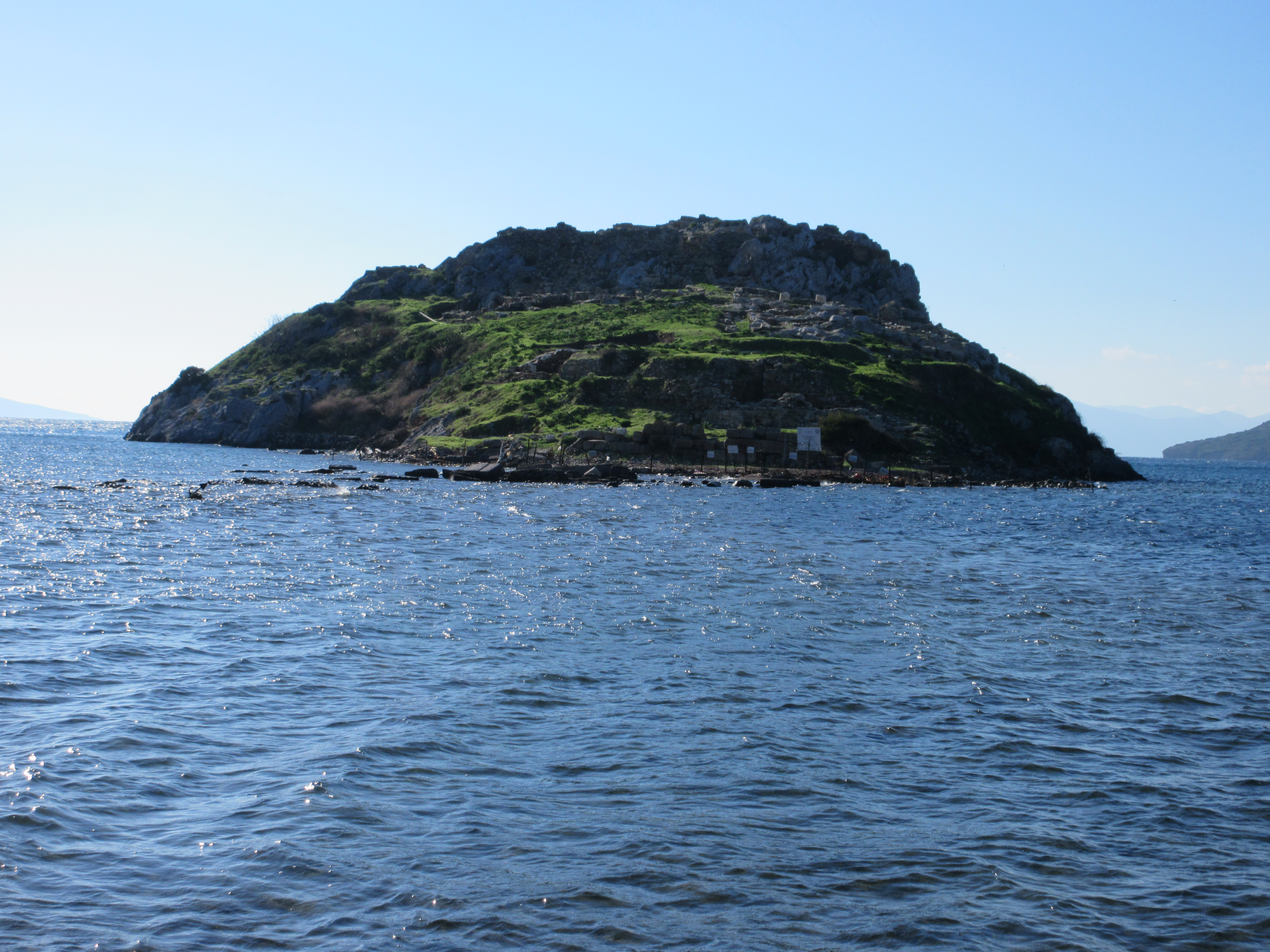
Part of the ancient Greek city Myndos. This island is covered with ruins and connected to the mainland at low tide by an ancient causeway.

Part of the ancient Greek city Myndos. This island is covered with ruins and connected to the mainland at low tide by an ancient causeway.

One of our last discoveries in Bodrum was the maritime museum with a fantastic display of model ships and the most astonishing collection of seashells I’ve ever seen. There are about 5000 of them. Some looked like candies, some like punk jewelry, some like galaxies, and some beyond description. Bodrum and the nearby Greek Islands were a center for sponge diving. Early commercial divers tied a slab of marble around their necks and used it both as a weight and hydroplane to steer their dive. As new technology came along, divers could go deeper and longer but they did not understand decompression sickness, or “the bends.” They estimate that 20,000 divers suffered debilitating injuries and 10,000 died from ascending too quickly  before sponge diving was banned. Apparently it was Mediterranean women who put up enough of a fight for it to end; they didn’t want to lose any more of their sons, brothers, or husbands.

You can see all our pictures from Bodrum here if you wish to see more.

Abandoned village of Sandima on the Bodrum Peninsula.
Abandoned village of Sandima on the Bodrum Peninsula.

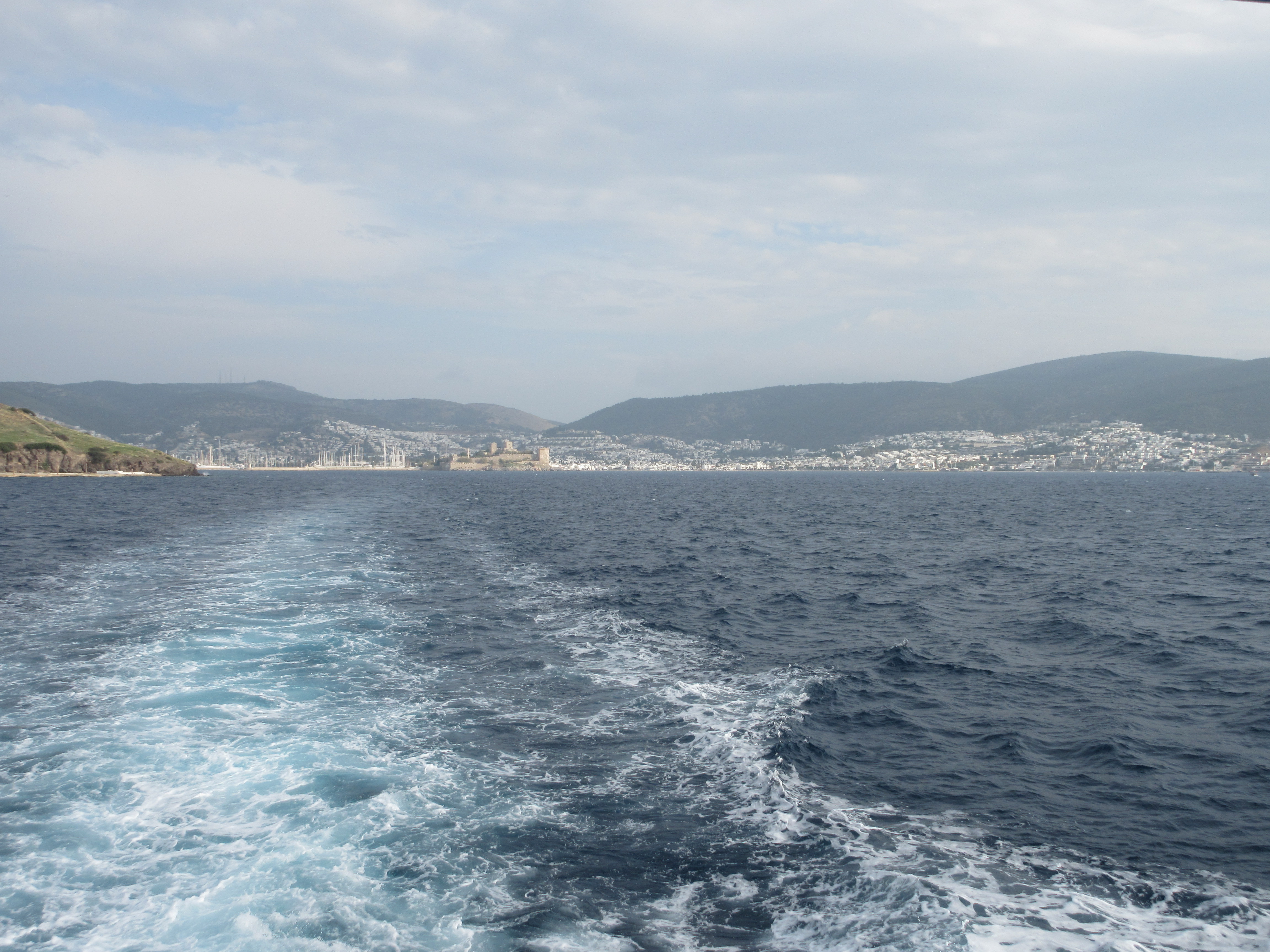
Bodrum receding as we take a ferry to the Greek Island of Kos.
Bodrum receding as we take a ferry to the Greek Island of Kos.

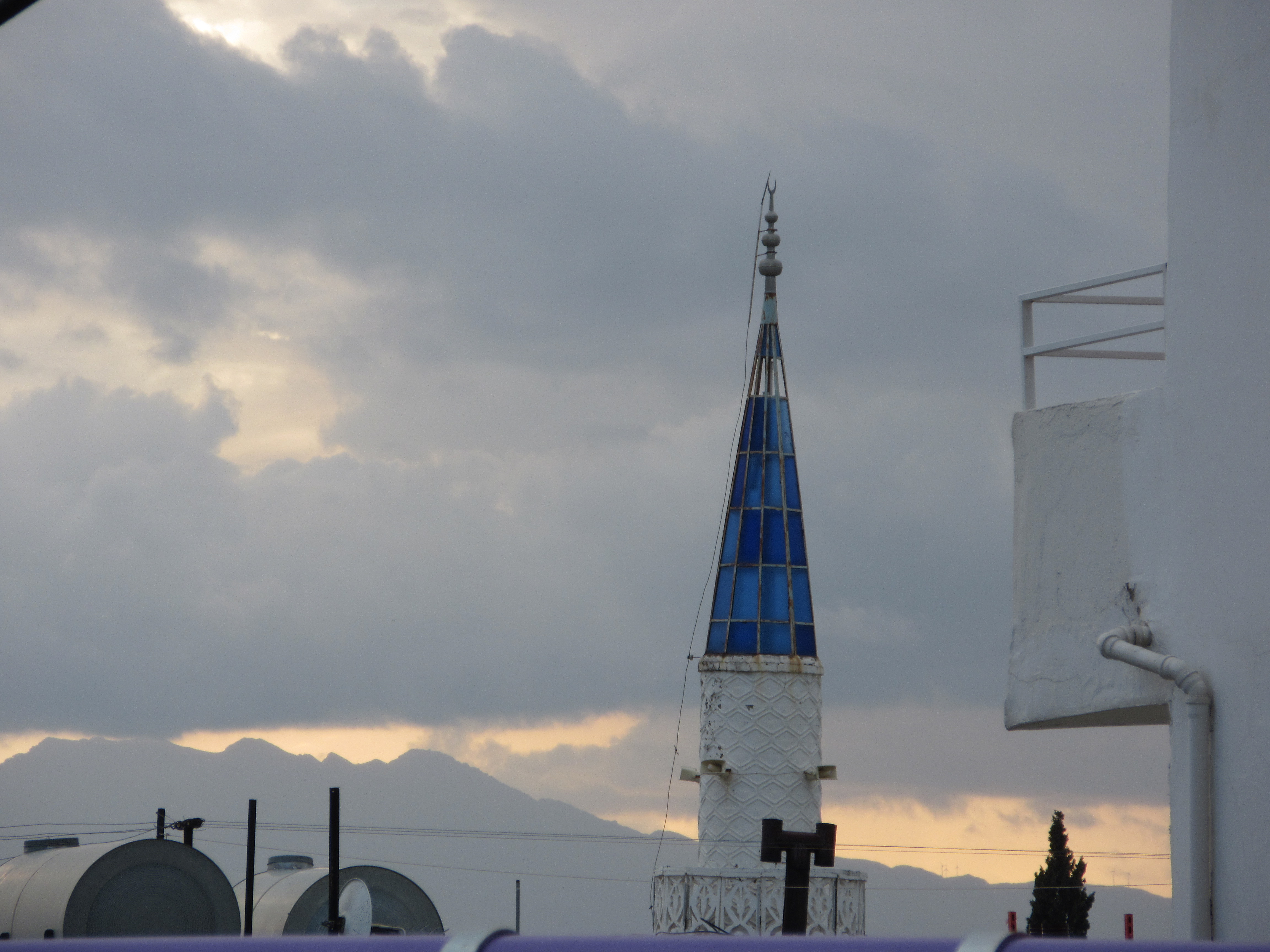
The minarets around the Bodrum Peninsula are mostly topped with blue glass.
The minarets around the Bodrum Peninsula are mostly topped with blue glass.

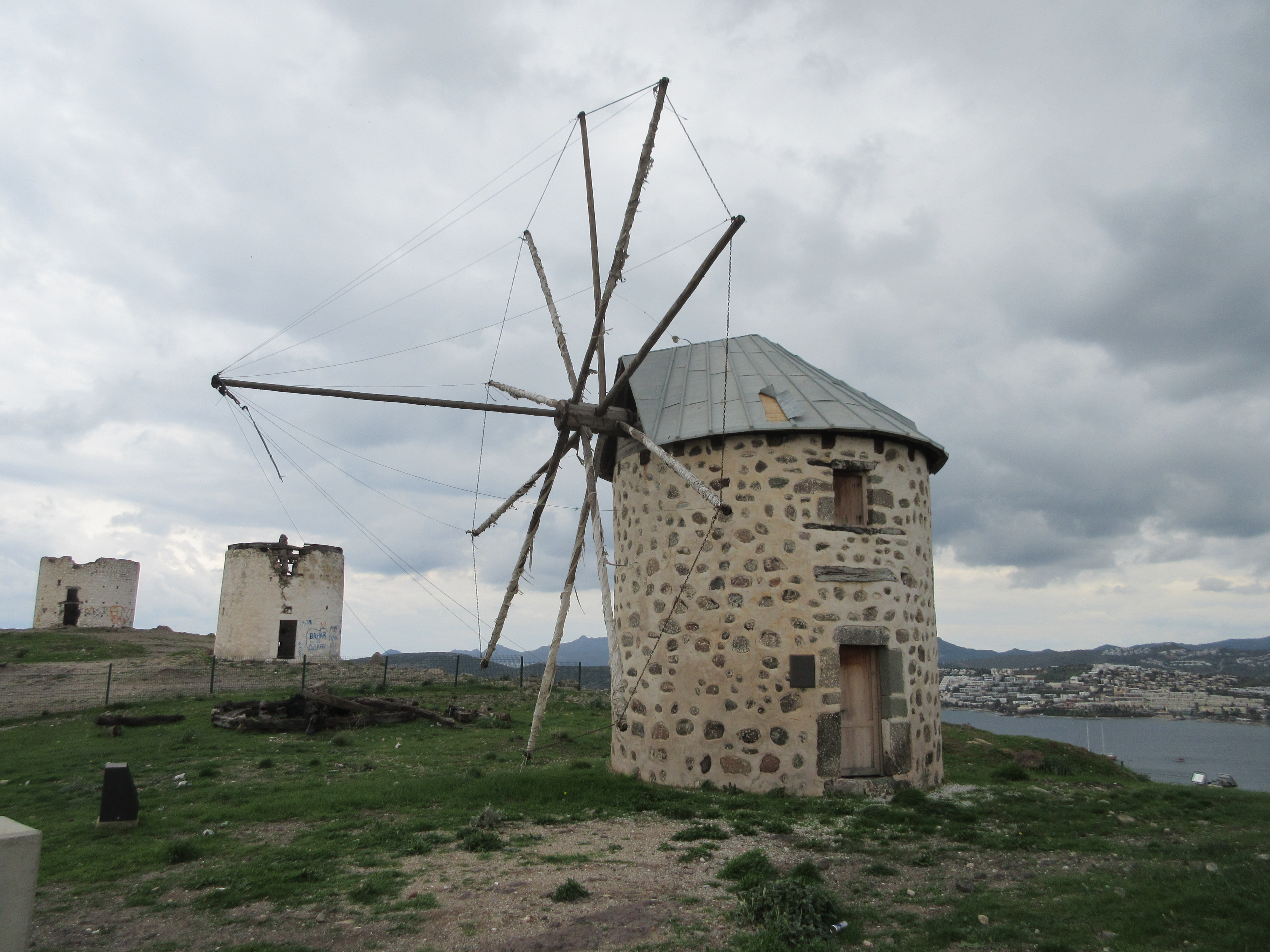
Windmills are all around the Bodrum Peninsula. They were used from the 18th century up to the 1970s to mill flour. Most are falling down today.
Windmills are all around the Bodrum Peninsula. They were used from the 18th century up to the 1970s to mill flour. Most are falling down today.

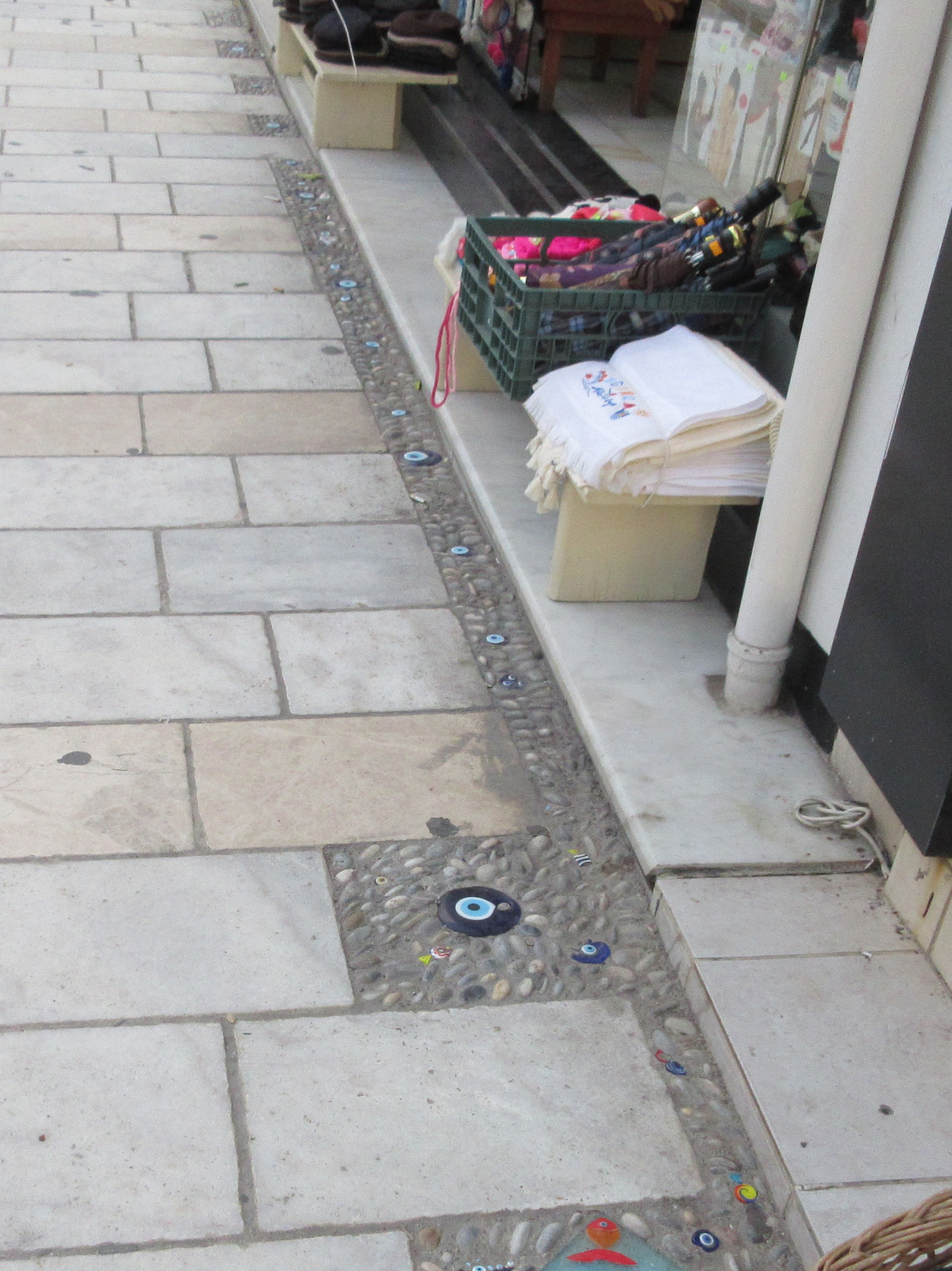
The blue eye amulets, called nazar, are everywhere and often built into walls and sidewalks. It is believed to provide protection from the Evil Eye and likely dates back to the 16th century BC when glasswork developed.
The blue eye amulets, called nazar, are everywhere and often built into walls and sidewalks. It is believed to provide protection from the Evil Eye and likely dates back to the 16th century BC when glasswork developed.

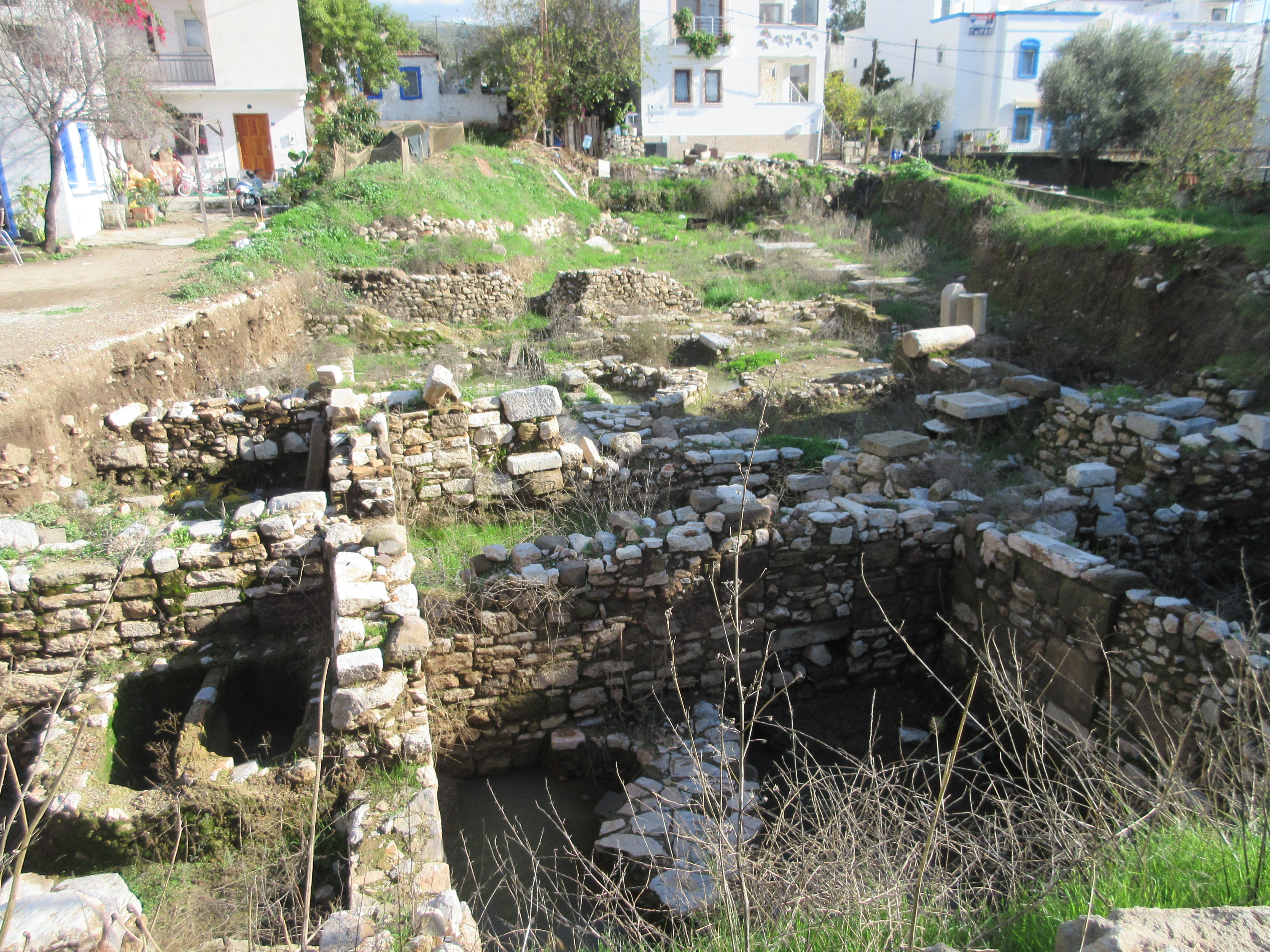
Down a neighborhood street we came across these seemingly random ruins. We hear that most building projects uncover things like this.
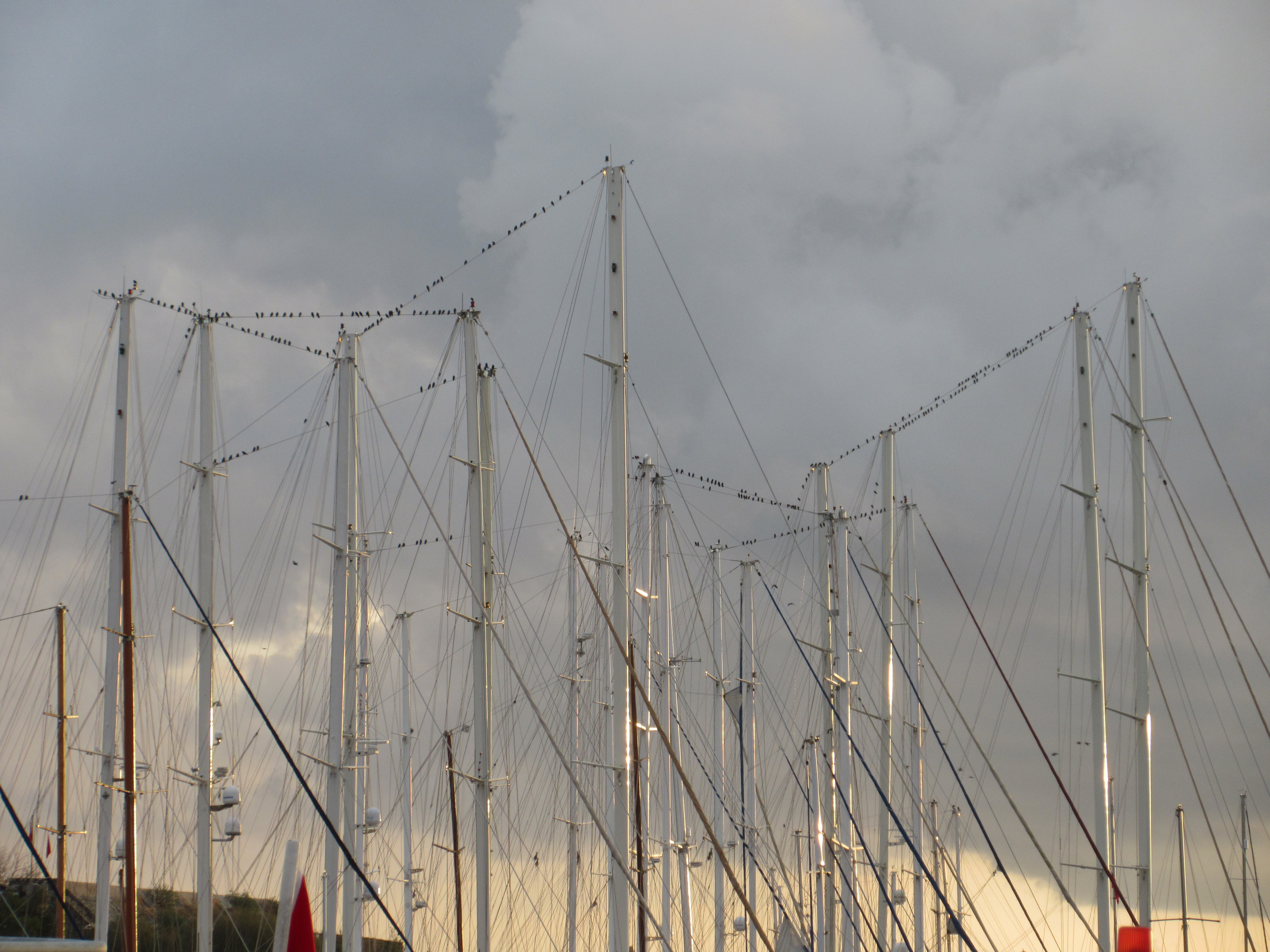
Down a neighborhood street we came across these seemingly random ruins. We hear that most building projects uncover things like this.

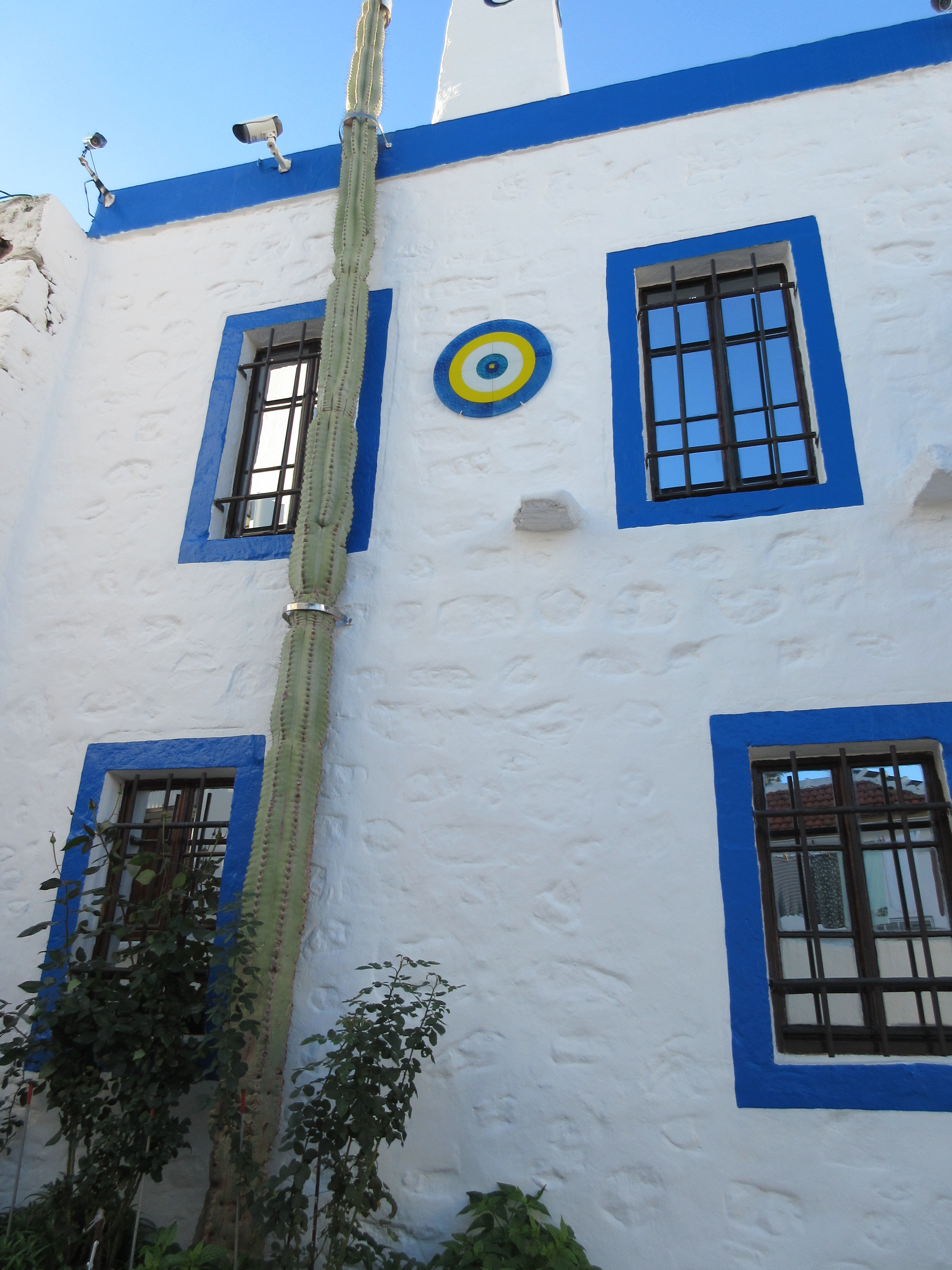
Birds on the rigging, Bodrum Harbor.

Birds on the rigging, Bodrum Harbor.

The ancient Greek theater in Bodrum.
The ancient Greek theater in Bodrum.

A typical Bodrum house with blue trim, white walls, and protection from the evil eye. Note the extremely tall cactus!
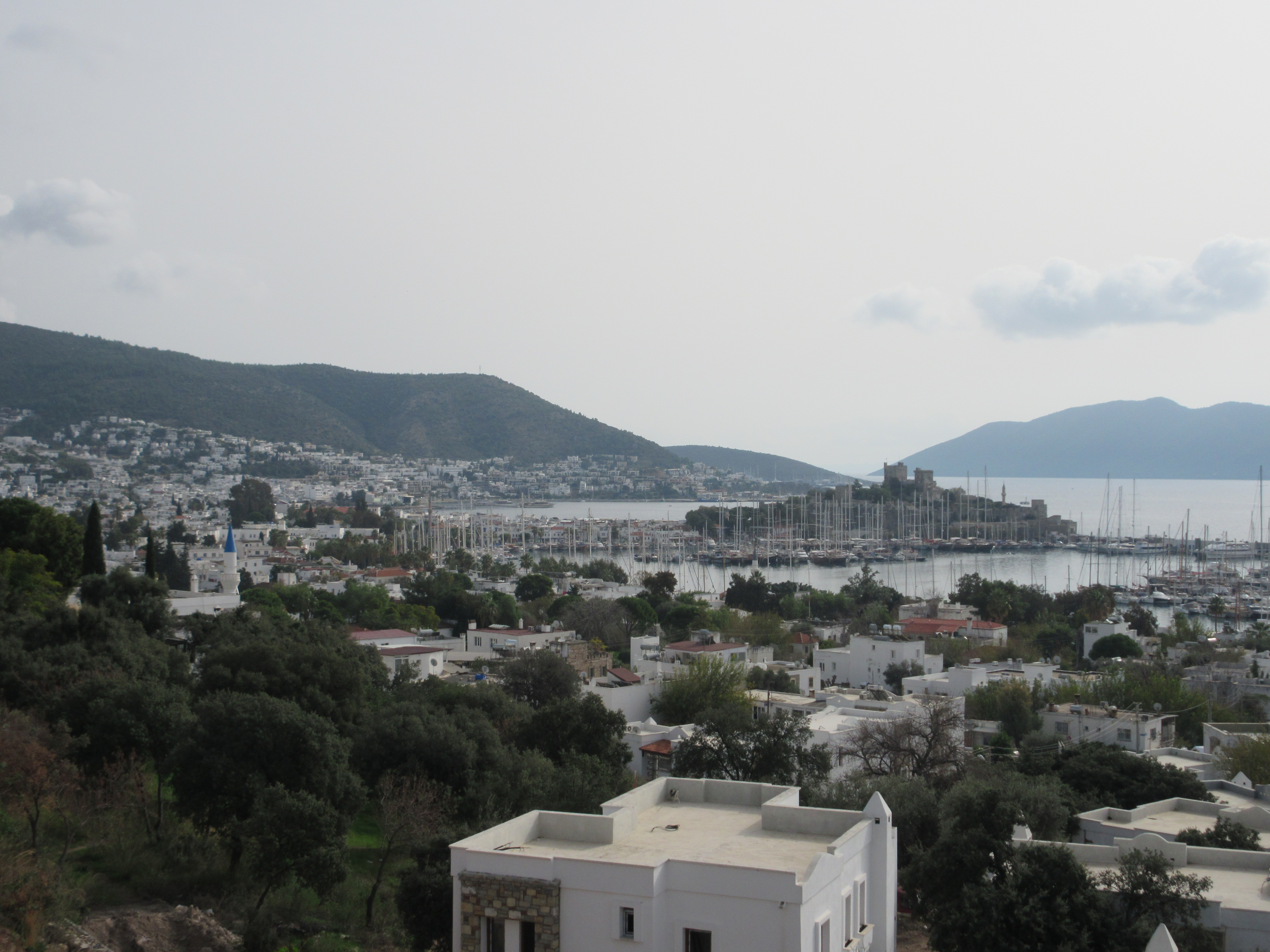
A typical Bodrum house with blue trim, white walls, and protection from the evil eye. Note the extremely tall cactus!
Bodrum, Turkey

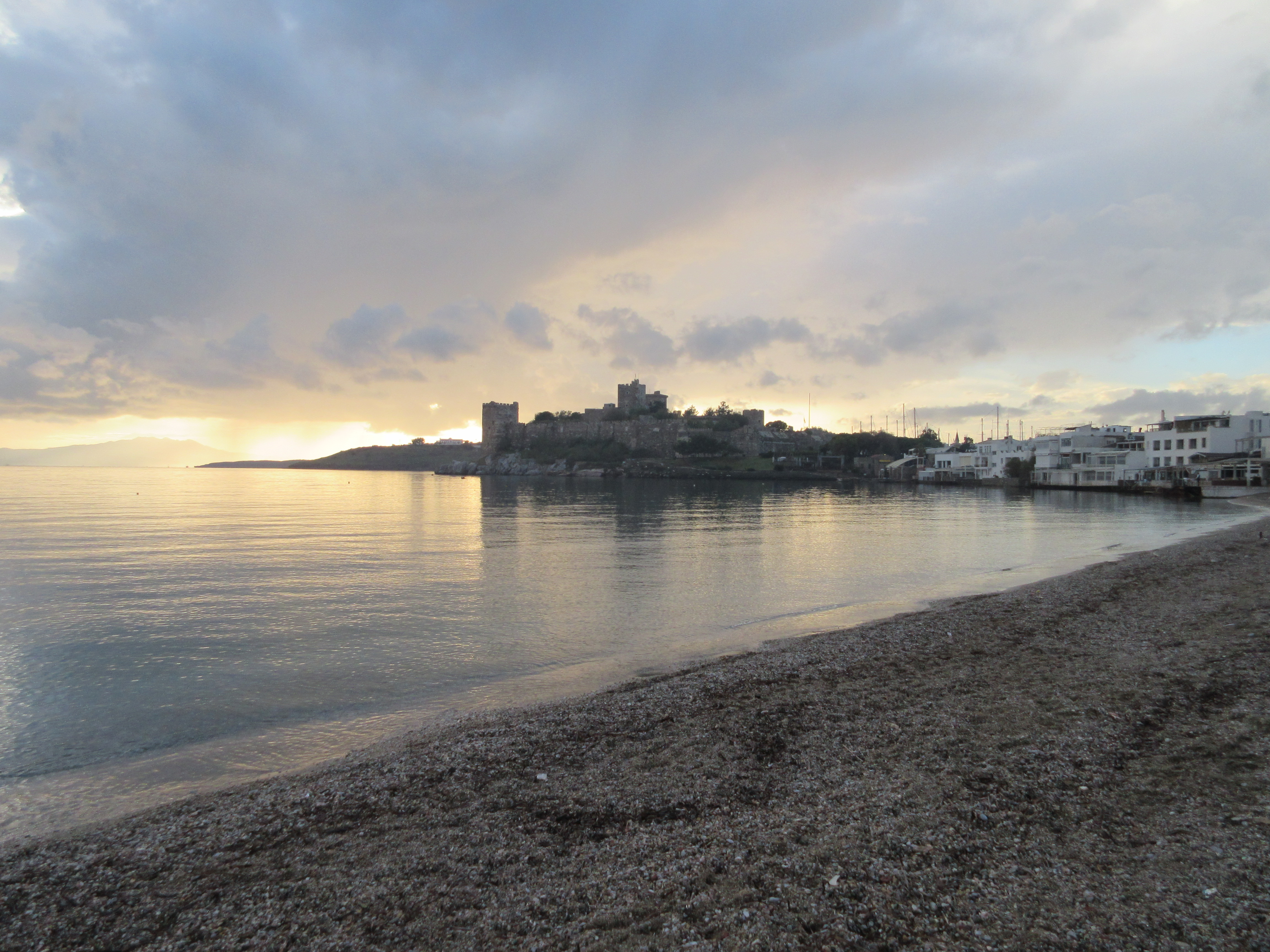
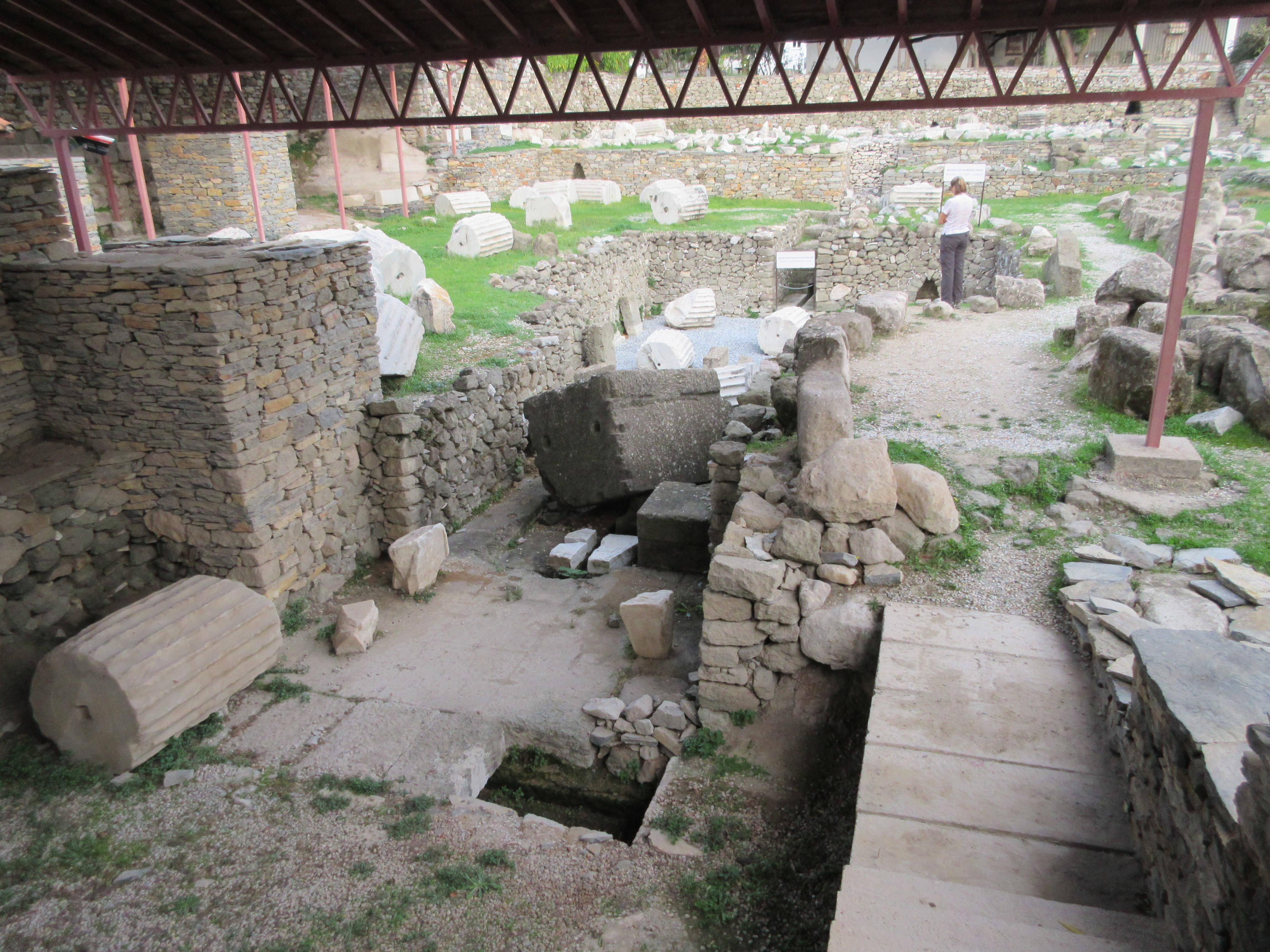
Bodrum. The castle splits the bay in two.

Bodrum. The Crusaders’ castle splits the bay in two.

We’ve spent the last couple weeks down in the SW corner of Turkey in a place called Bodrum. Bodrum was previously known as the ancient Greek city of Halicarnassus. Like much of the Aegean and Mediterranean Turkish coast, the area has a long history. Recorded settlements at this location date back 3000 years with signs of people living more simply before then.  Roman and Medieval ruins are visible around town. They are built on top of and out of Hellinistic ruins. For example, when King Mausolus died his sister/wife built a tremendous burial monument to him here. It was one of the seven wonders of the ancient world and known as the Mausoleum (the source of the word we know today). After an earthquake damaged it centuries later, Crusaders used the stones to build a medieval fortress that today houses a superb museum.

What is left of the Mausoleum today. The large rock in the center was installed as a plug to Mausolus's tomb, which was deep under the monument.

What is left of the Mausoleum today. The large rock in the center was installed as a plug to Mausolus’s tomb, which was deep under the monument.

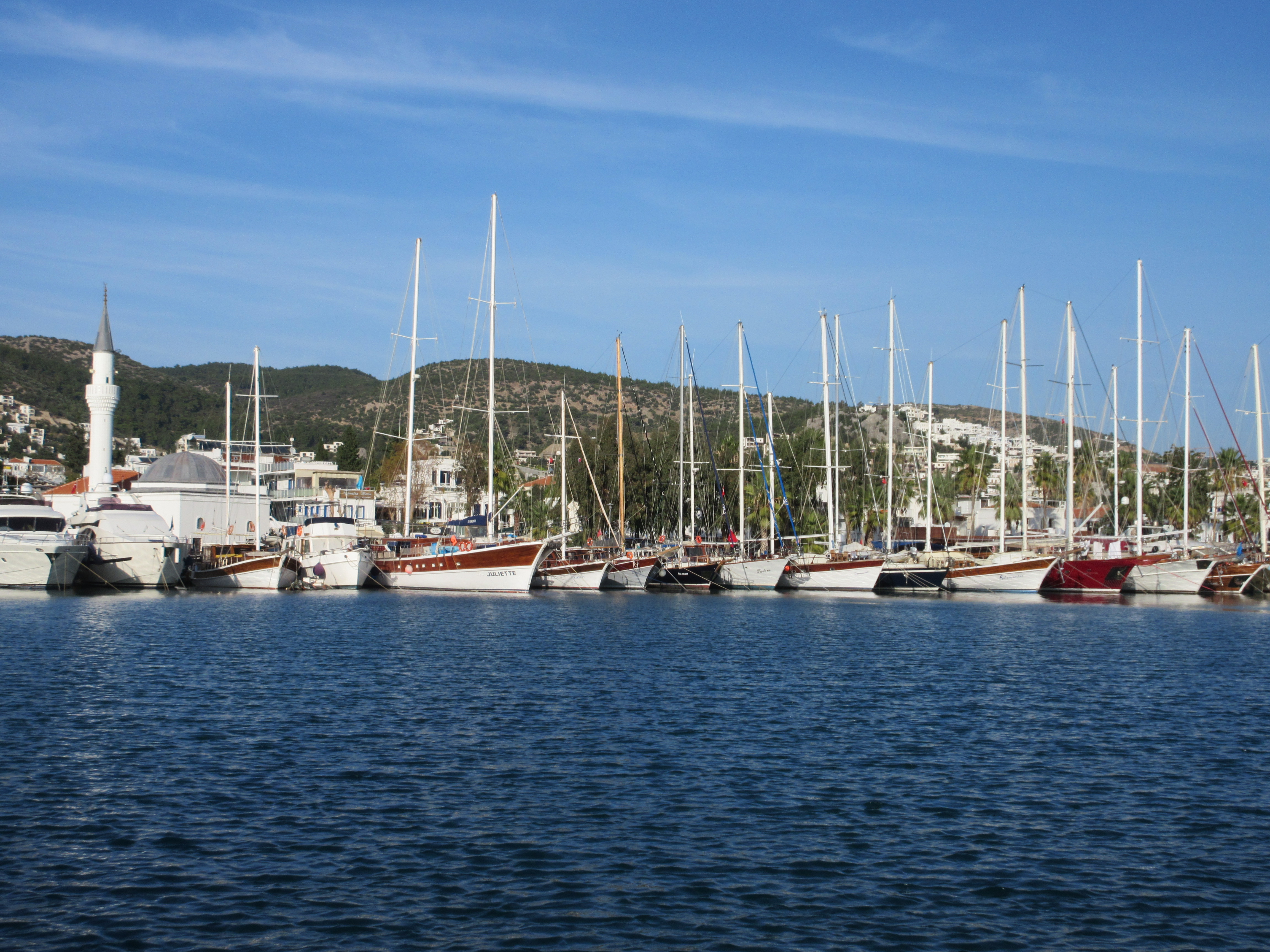
Modern day Bodrum has been a tourist destination for decades. The protected harbor has hundreds of yachts, many the traditional gulet. The hills are covered with sugar-cube white houses and olive trees. In the summer this place is packed. The Bodrum Peninsula extends to the west with a handful of smaller towns, beaches, bays, and hills. Now is decidedly the off-season and many things are closed up. The restaurants that stay open struggle to keep their best staff on payroll through the winter and offer some excellent lunch deals. We’ve spent our days exploring town and the peninsula. It must be a very different place in the summer with exponentially more people.

Bodrum harbor

Bodrum harbor

Our biggest struggle here has been traffic. Our guide books discouraged us from driving in Turkey, explaining that it has a very high accident rate. Walking around town often feels dangerous. Clearly, we are westerners who are used to a different set of rules. I am outraged every time that a car or truck parks on the sidewalk, pushing pedestrians out into busy streets. Scooters drive on the road, on the sidewalk, in the alleys, and everywhere else. At times it feels like they have agreed to pass pedestrians with no more than five inches of clearance. Personal safety seems to not be a priority, which makes our favorite pastime, walking, a lot less pleasant. On the flip side, there is an excellent minibus system. We can get to anywhere on the peninsula for about $2. The minibuses run on a schedule, are clean and organized, and go every 15-45 minutes from early in the morning to past our bedtime.

Bodrum Castle.

Bodrum Castle.

There are a handful of things that make Turkey unique from our recent travels:

-Olives, honey, and tea are ubiquitous. Even the little minimart will have multiple types of honey and tea leaves in bags bigger than a loaf of bread.

-Stray cats and dogs run the streets. It seems that many people are willing to feed them as few are scrawny. Large water and food bowls are not uncommon. Other than wanting a scratch or accepting food, they are generally not too interested in people.

-The body language for yes and no is different: a nod down means ‘yes,’ a nod up means ’no,’ and shaking your head means ‘I don’t understand.’ Fortunately for us, they are pretty used to foreigners but we’ve had some hilarious misunderstandings at the market as we attempt to specify how many kilos of mandarins or dried figs we want.

Citrus season! You can buy a 2 pounds of these guys for less than a dollar!

Citrus season! You can buy a 2 pounds of these guys for less than a dollar!

-99.9% of the country is Muslim. The call to prayer echoes off the hillsides five times a day. Men are seen socializing in public more often than women are.

-Mandarins are in peak season and we’ve taken to eating them by the kilo as they are so delicious and really cheap. Many of the landscaping trees in town are citrus so it is not uncommon to see a passerby picking what they can reach.

-Public nationalism is strong. Large flags and images of Ataturk (the father of Turkey) hang everywhere. Historical plaques paint a rosy picture of Turkish strength. It is illegal to speak poorly of the Turkish government.

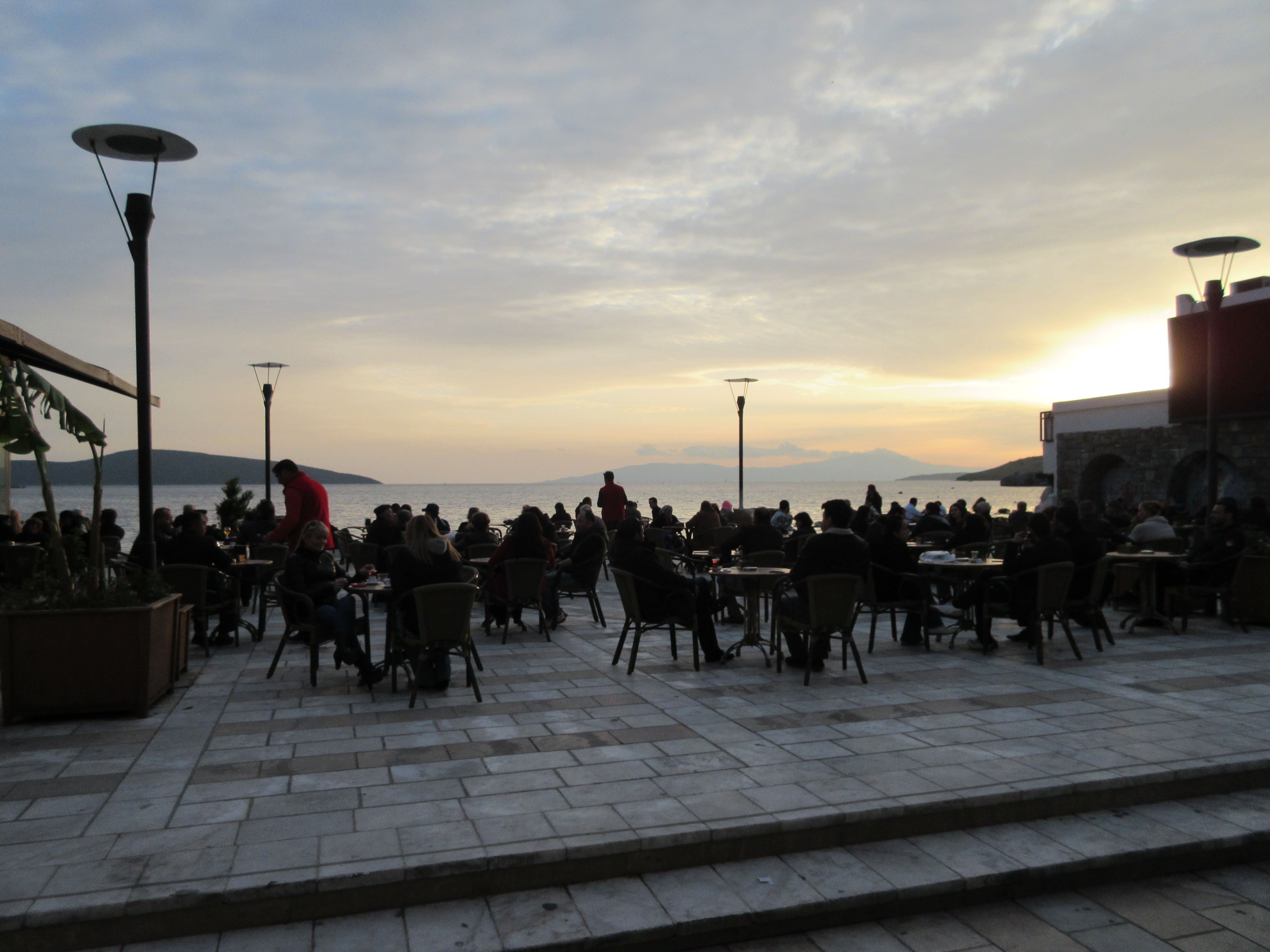
One of the busy waterfront cafes in Bodrum.

One of the busy waterfront cafes in Bodrum.

-The cafe scene here is even stronger than in Paris or Split. Each town has a cafe that is municipally owned where coffee and tea are very cheap and nearly every table is full all day long. Many have piles of board games for customers to use. Hordes of men wile away the afternoon with backgammon.

Stay tuned for the next post with some specific places and excursions. In the meantime, you can check out more pictures of Bodrum here and look at our map to see where Bodrum is.

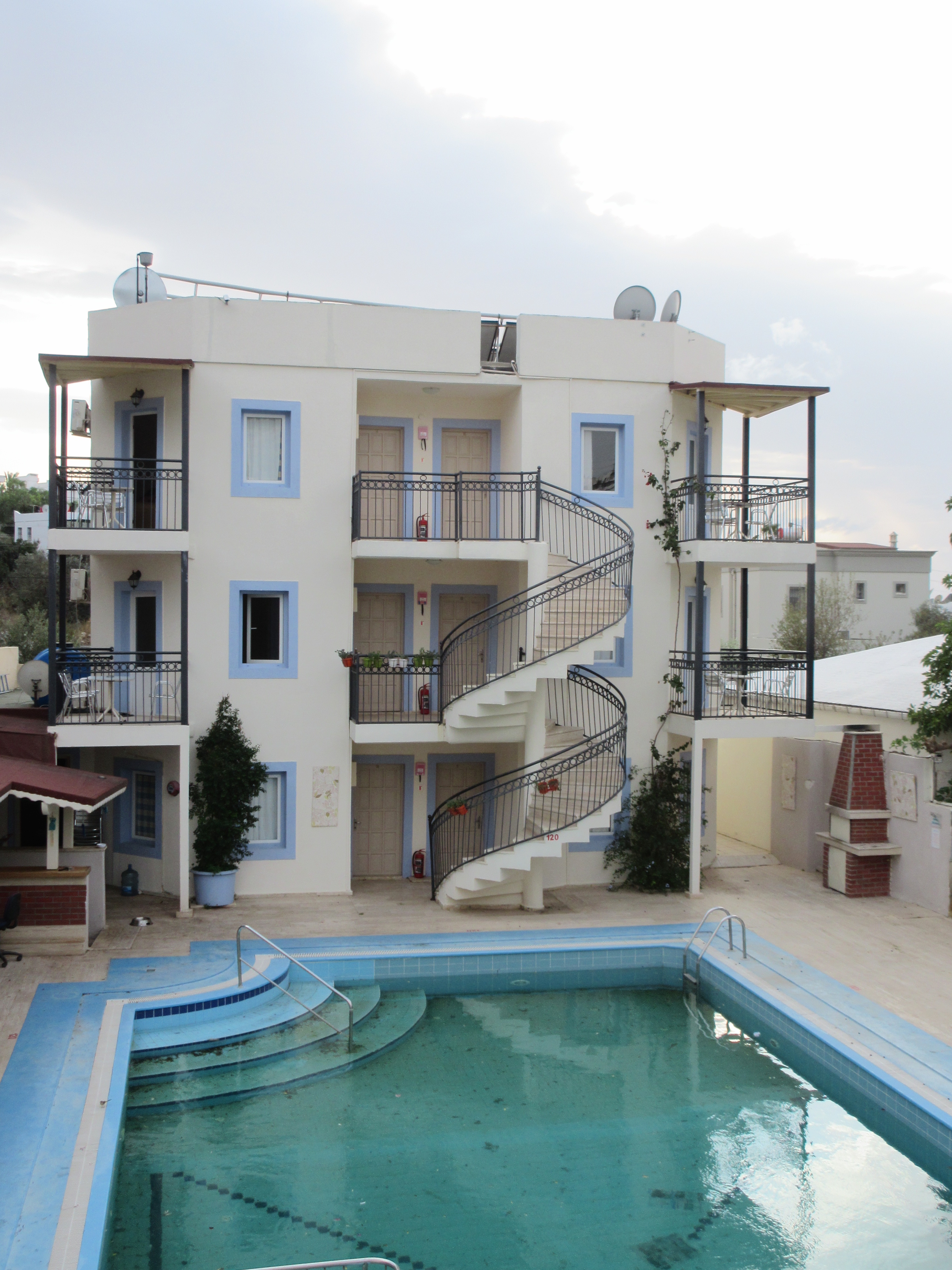
Our apartment in Bodrum is on the middle floor.

Our apartment in Bodrum is on the middle floor.

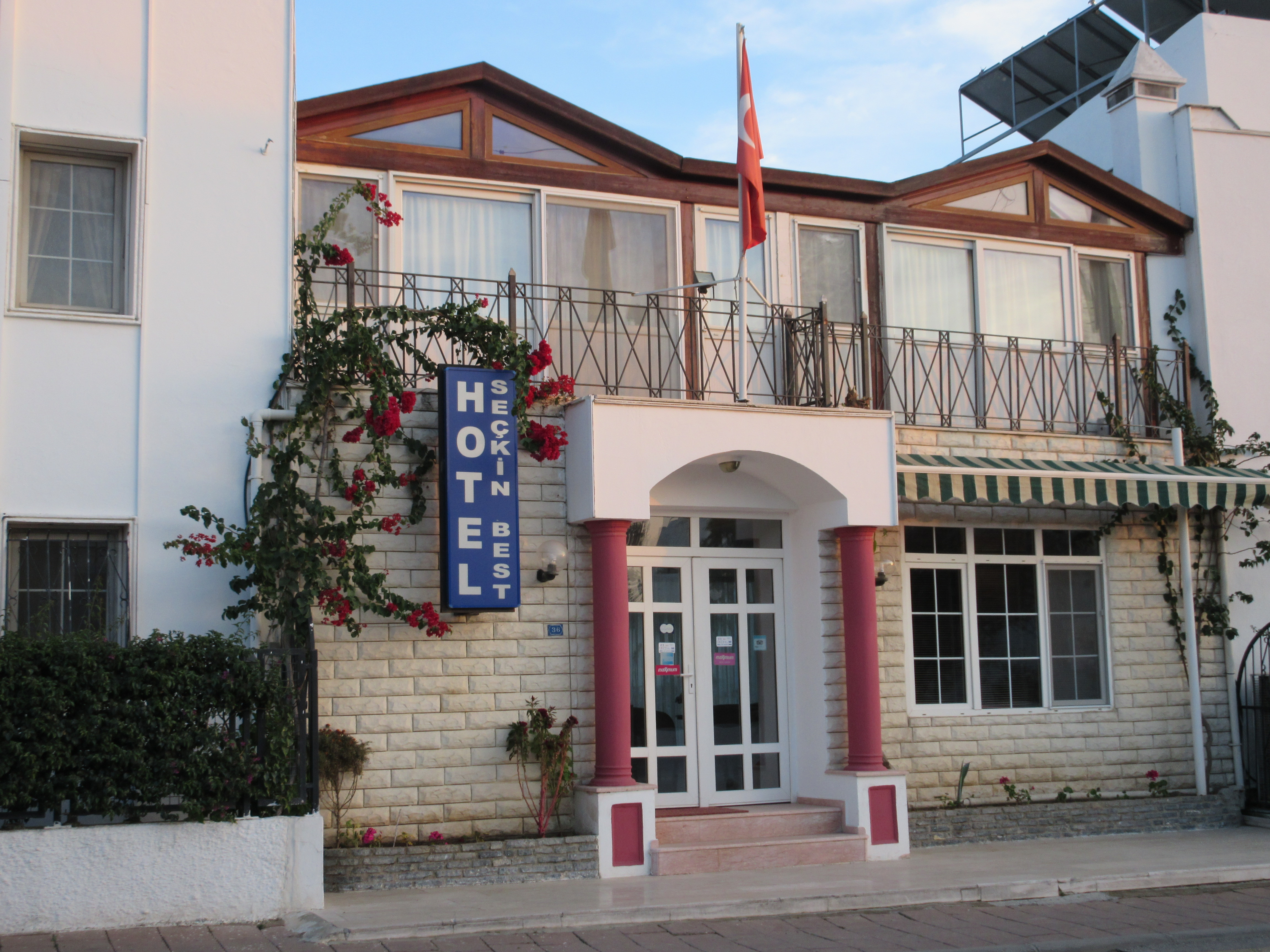
Us gringos laughed at the idea of a "Second best hotel." Turns out seçkin in Turkish means "outstanding."

Us gringos laughed at the idea of a “Second best hotel.” Turns out seçkin in Turkish means “outstanding.”

We were surprised how few old architecturally significant buildings there are in Bodrum, given the long history. It turns out earthquakes have demolished the city several times and unnoticeable small ones occur almost every day.

We were surprised how few old architecturally significant buildings there are in Bodrum, given the long history. It turns out earthquakes have demolished the city several times and unnoticeable small ones occur almost every day.

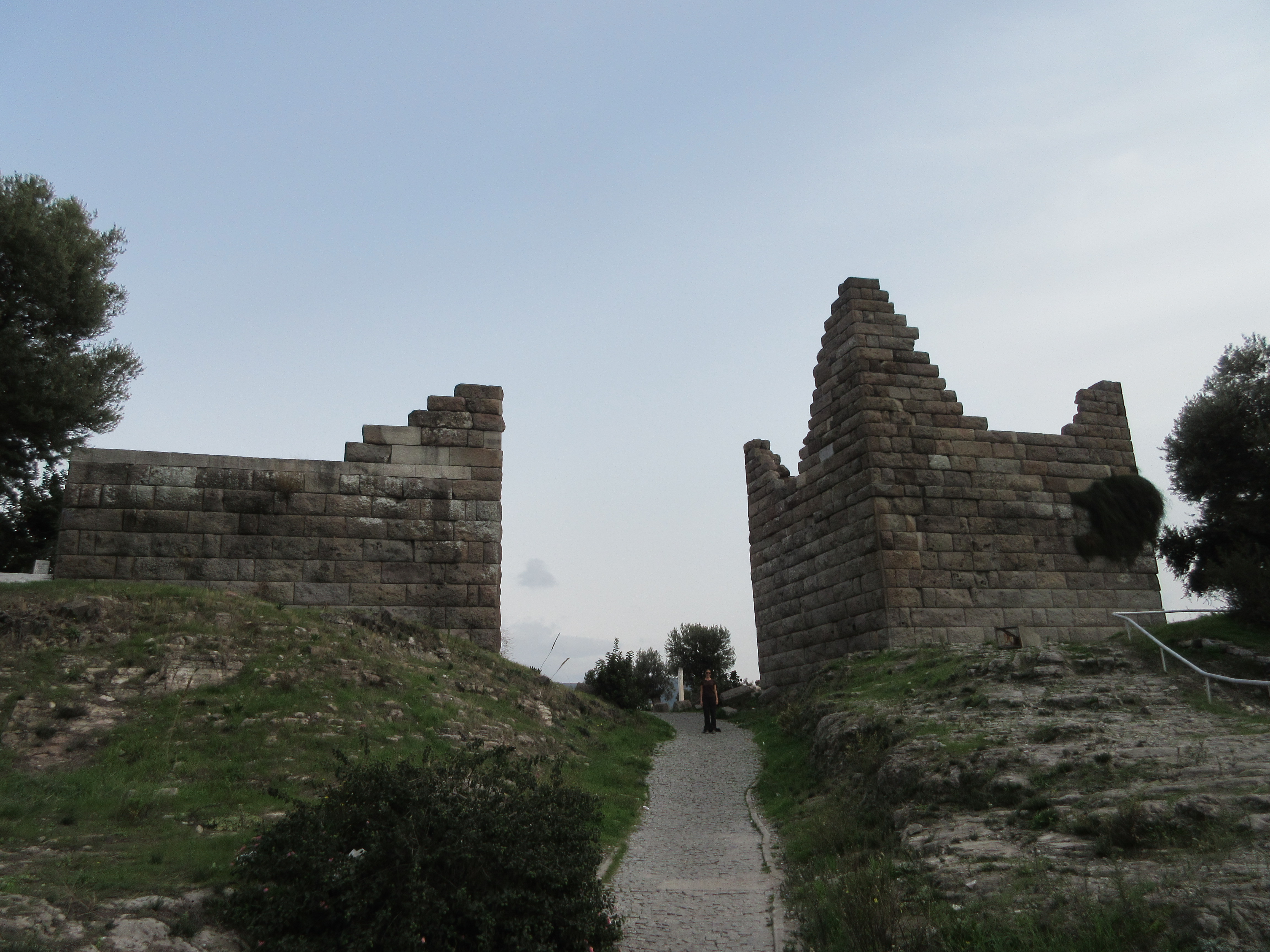
One of the original gates into Halicarnassus. When Alexander the Great attacked in 334 BC, a fierce battle ensued here. Note Megan standing in the entrance.

One of the original gates into Halicarnassus. When Alexander the Great attacked in 334 BC, a fierce battle ensued here. Note Megan standing in the entrance.

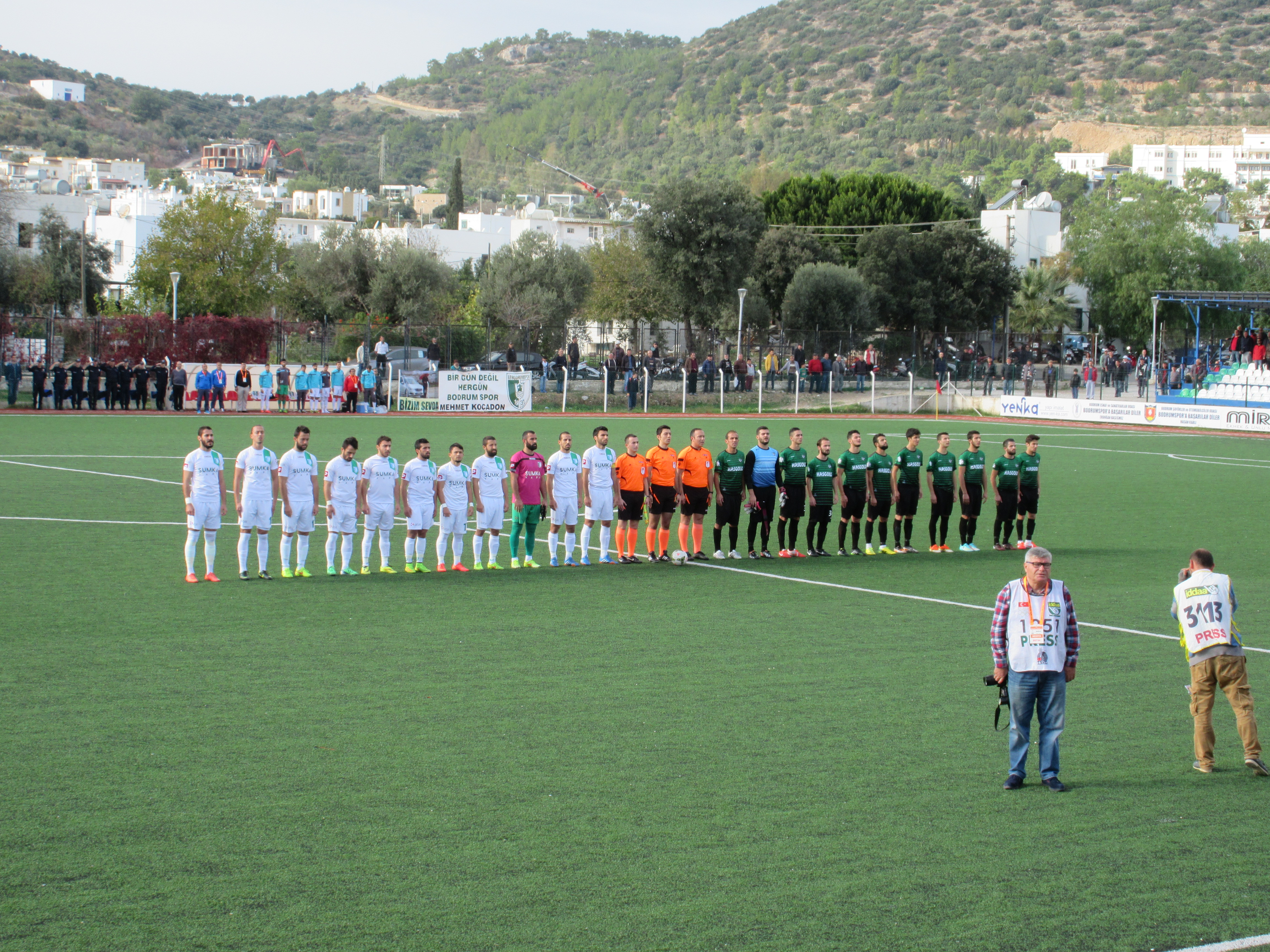
A Sunday afternoon soccer match between the local amateur team and a neighboring community. The stands were full and police lined up (in the far left) in case things got too exciting.

A Sunday afternoon soccer match between the local amateur team and a neighboring community. The stands were full and police lined up (in the far left) in case things got too exciting.

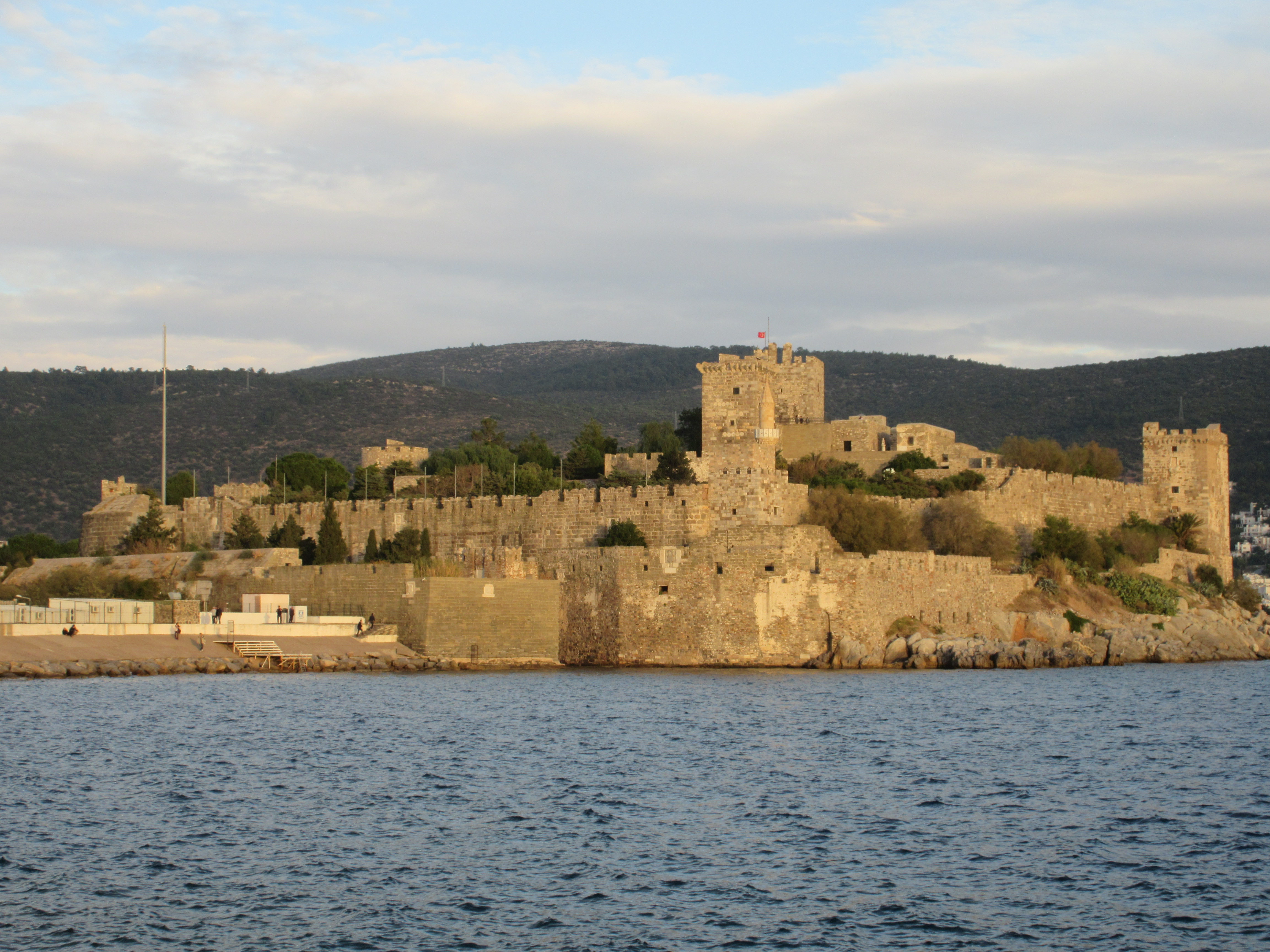
Castle built by the Crusaders in the 1400s out of stones from the Mausoleum.

Castle built by the Crusaders in the 1400s out of stones from the Mausoleum.

The Knights of St. John built the castle in Bodrum using stones from the then1700-year-old Mausoleum.

The Knights of St. John built the castle in Bodrum using stones from the then1700-year-old Mausoleum.

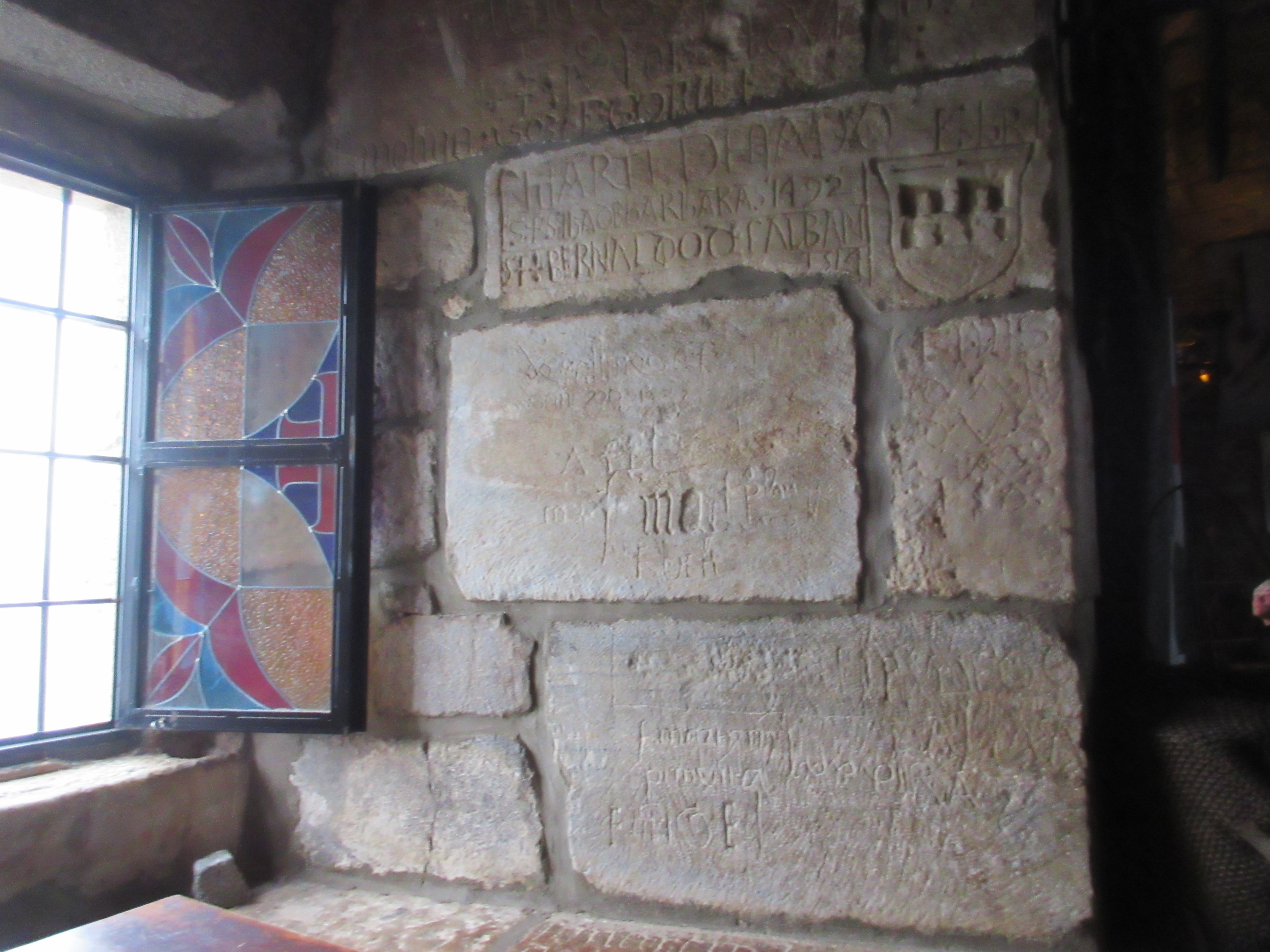
Inside the castle, Crusaders carved on the walls. The upper carving showing a crest is dated 1492..

Inside the castle, Crusaders carved on the walls. The upper carving showing a crest is dated 1492..

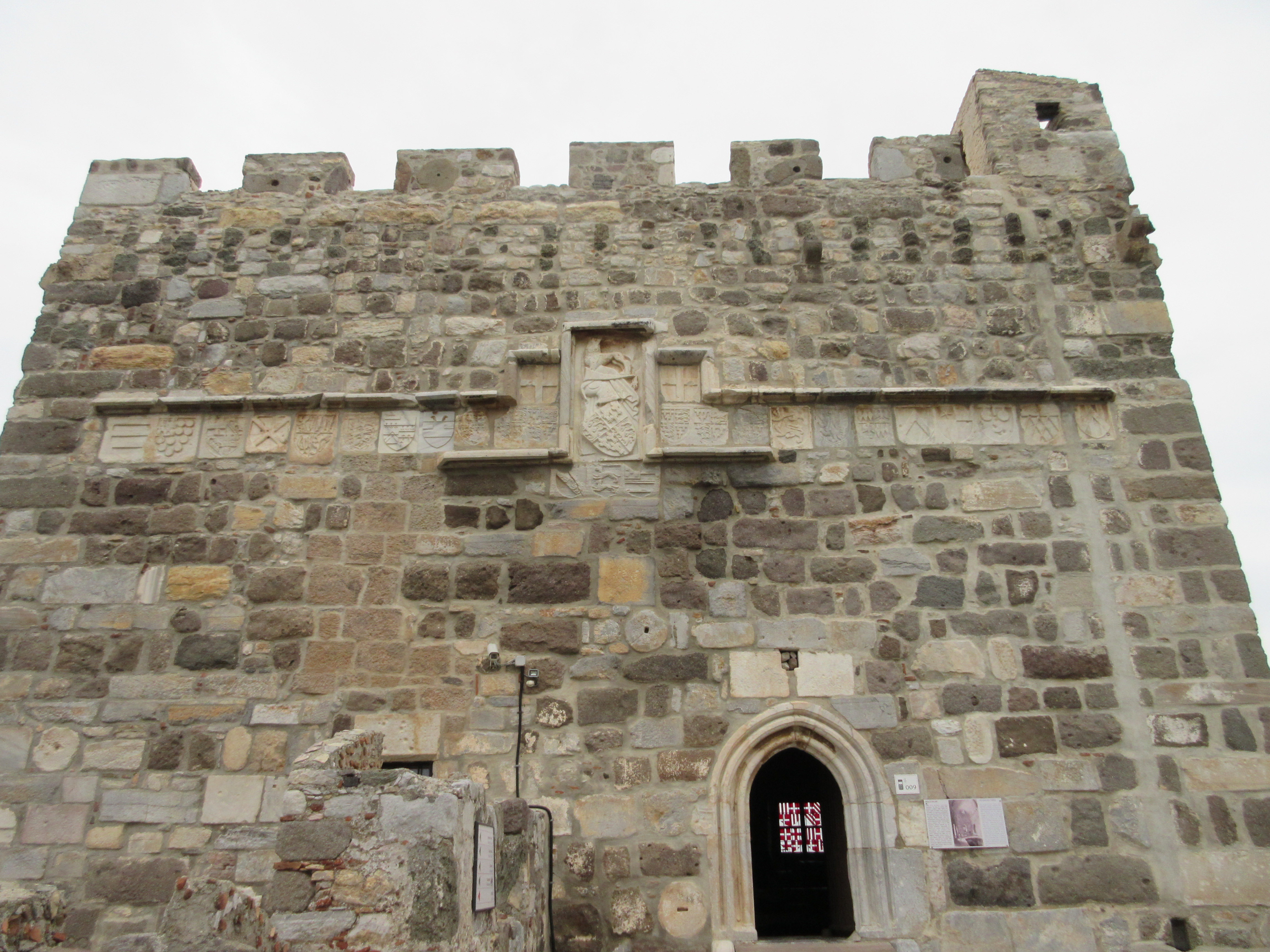
The Bodrum castle has many knights' crests. You can see over 20 of them on this tower wall.

The Bodrum castle has many knights’ crests. You can see over 20 of them on this tower wall.

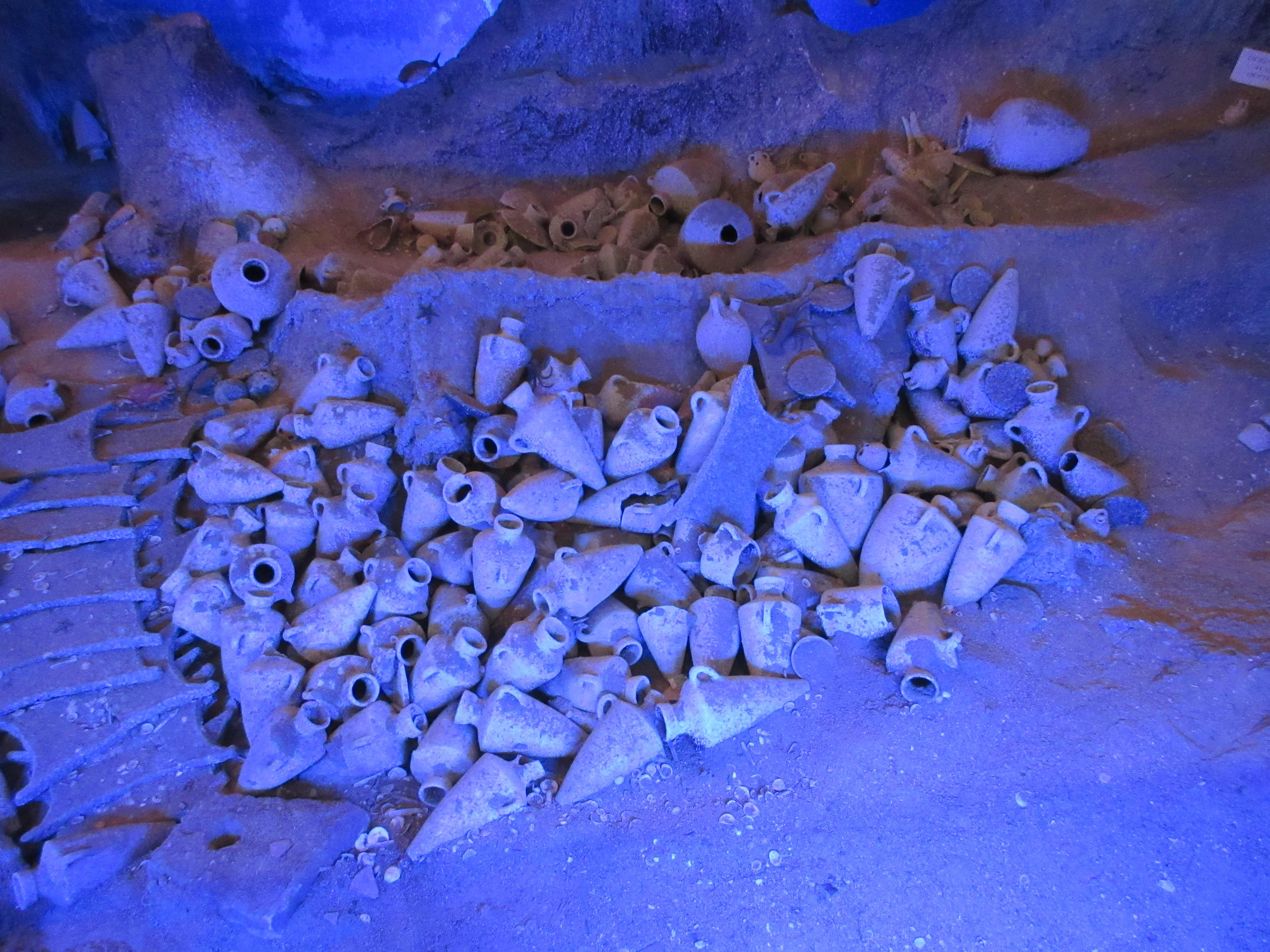
A ship wrecked in the 14th century BC leaving amphora and ingots of copper and tin. It took 22,000 dives over 11 years to excavate the site, recreated here in the superb Museum of Underwater Archaeology.

A ship wrecked in the 14th century BC leaving amphora and ingots of copper and tin. It took 22,000 dives over 11 years to excavate the site, recreated here in the superb Museum of Underwater Archaeology.

An ancient altar.

An ancient altar.

Olives are in season and heavy on the trees.

Olives are in season and heavy on the trees.

One of the rare stormy days we've had in Bodrum.

One of the rare stormy days we’ve had in Bodrum.

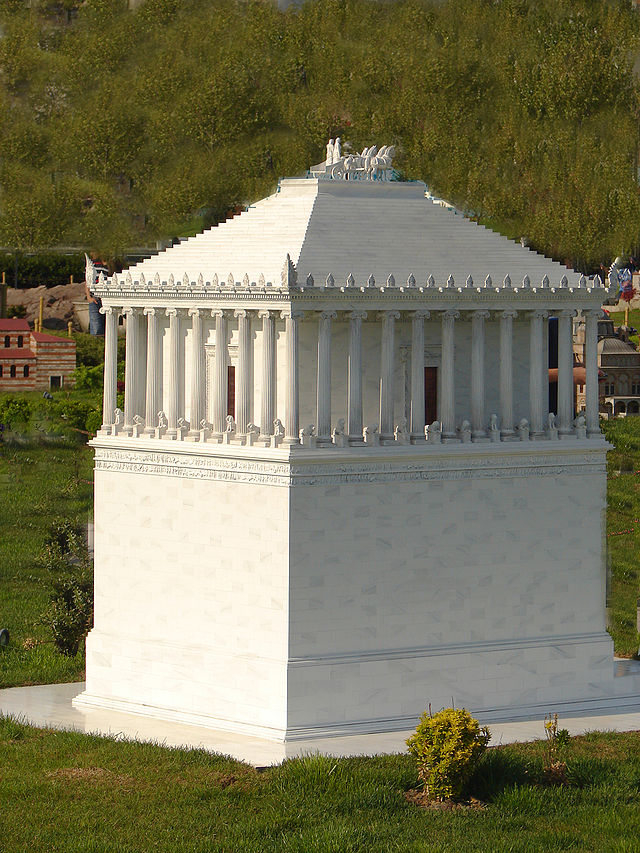
A scale model of what the Mausoleum probably looked like when it was built around 350BC. A wheel from the chariot on the roof was found; its diameter is over 6 feet.

A scale model of what the Mausoleum probably looked like when it was built around 350BC. A wheel from the chariot on the roof was found; its diameter is over 6 feet.

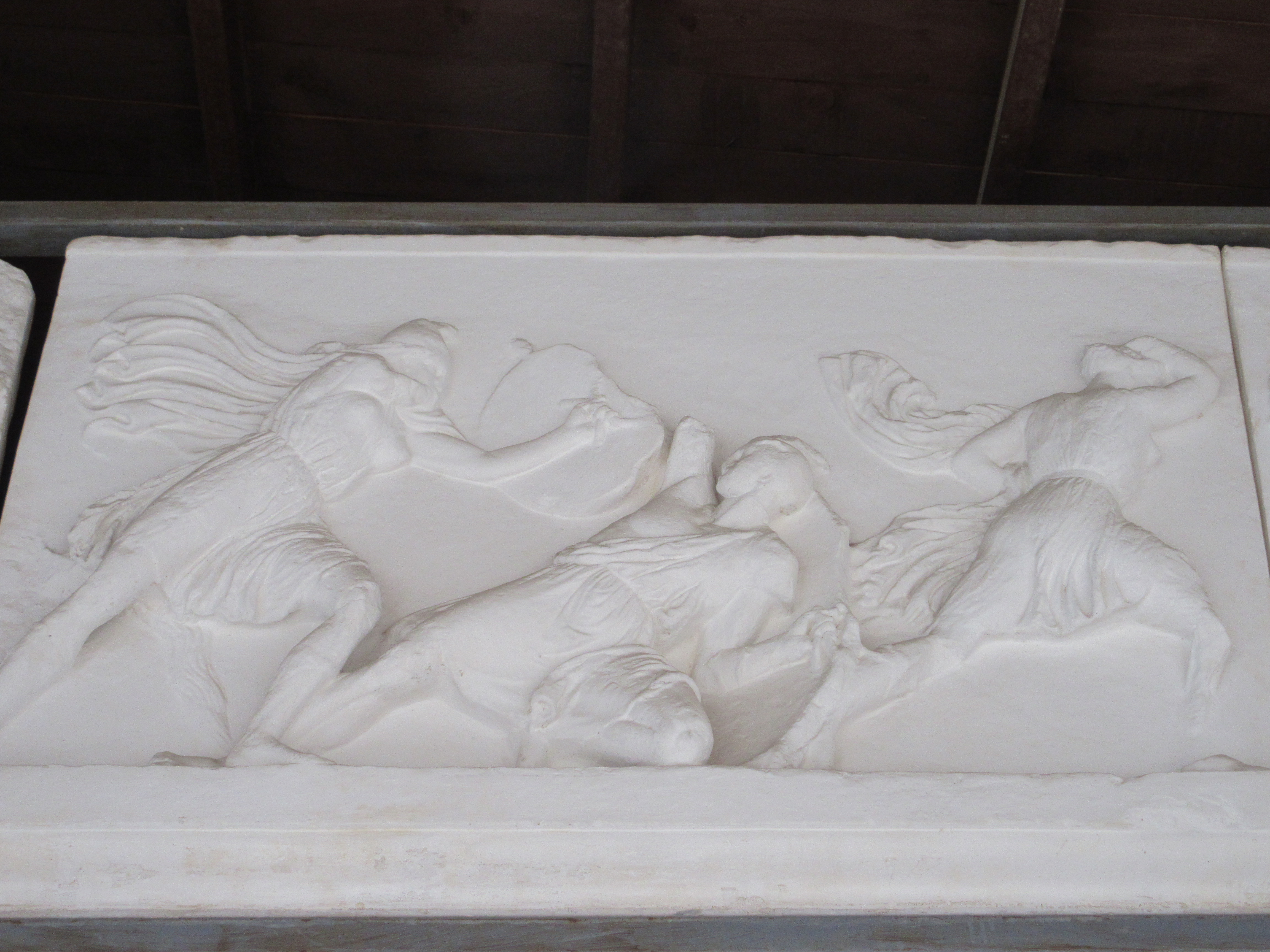
A carving from the Mausoleum shows Greeks fighting the Amazons.

A carving from the Mausoleum shows Greeks fighting the Amazons.

Burials tombs, like this one, existed in Bodrum before the Mausoleum was built.

Burials tombs, like this one, existed in Bodrum before the Mausoleum was built.