Still in Florida

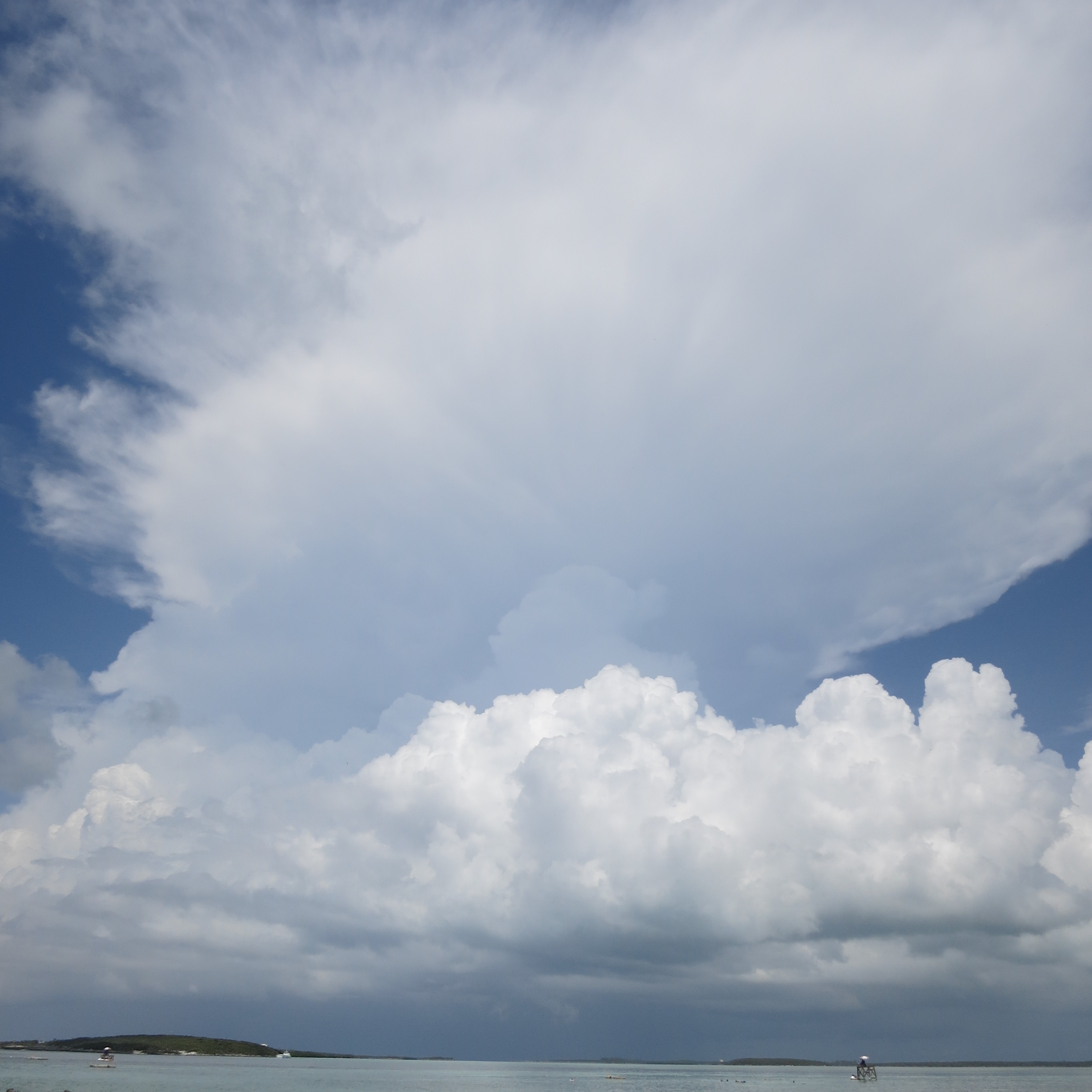
Beautiful clouds. Thunderheads get more common as we start into the rainy season

Beautiful clouds. Thunderheads get more common as we start into the rainy season

You may be wondering why we are still in Florida, as it certainly wasn’t our plan to be here more than a couple weeks. A month ago Jim had a routine physical and the doctor was concerned about what he heard through the stethoscope. We decided to pause and figure out the issue. A few weeks, multiple tests, and doctor visits later, we know that Jim’s mitral valve in his heart is not working properly. All the doctors we’ve consulted with believe that treatment is necessary and should be completed soon. We’re taking their advice and Jim is scheduled to have heart surgery next week. With today’s advances in modern medicine, a surgeon is able to complete this routine valve fix through a few small incisions and expects that Jim will only need about two weeks to be back to normal! The hospital where they will do this is less than a mile from where we are staying. The best news of all, is that Jim is mostly asymptomatic and feels normal. We appreciate the support of friends and family; continue to send your happy healing vibes this way.
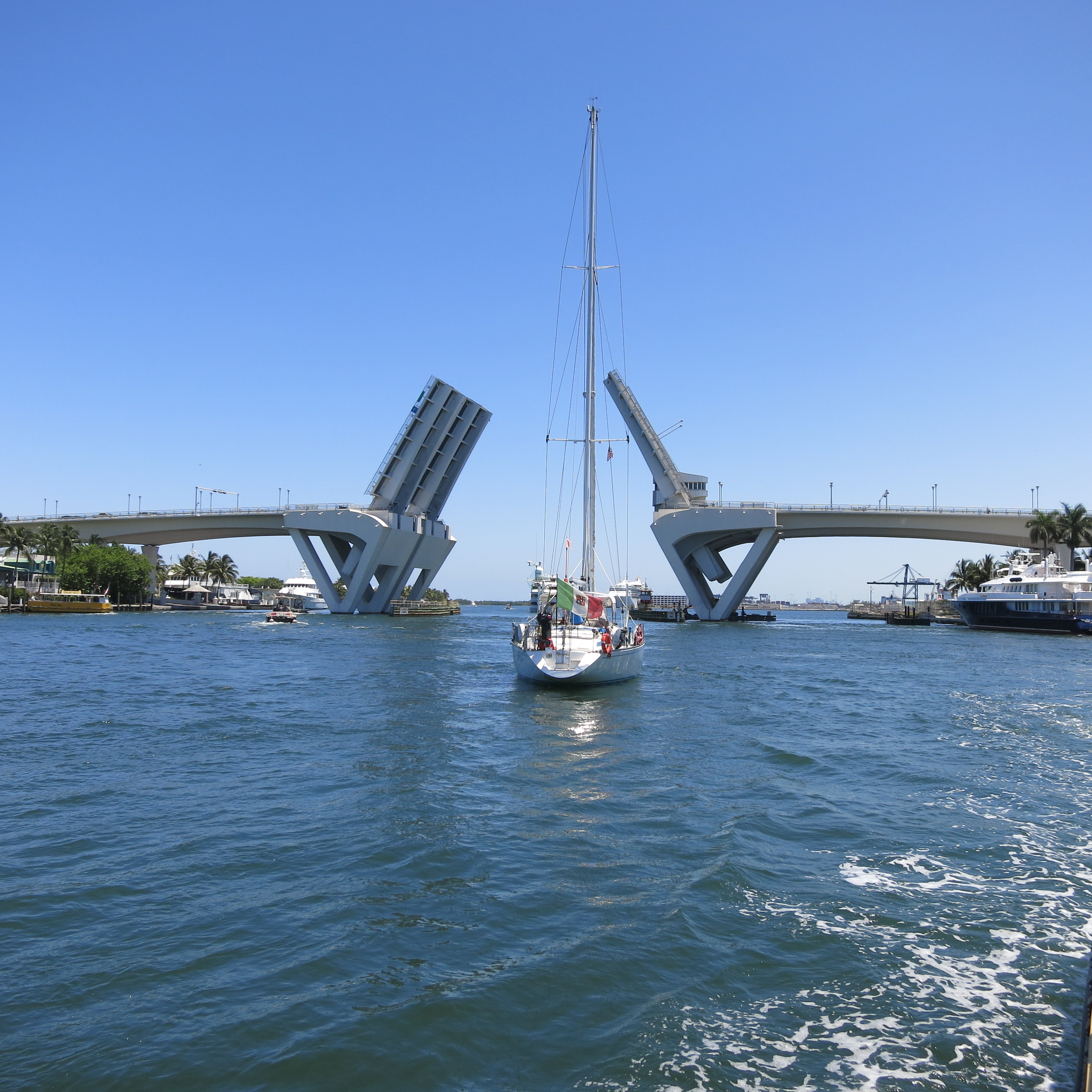
The Intracoastal Waterway travels the length of Florida and includes hundreds of bridges. We regularly cross them and wait for them to come back down after raising their span for boat traffic.

The Intracoastal Waterway travels the length of Florida and includes hundreds of bridges. We regularly cross them and wait for them to come back down after raising their span for boat traffic.

In the midst of all this, we continue to explore and enjoy our surroundings. We’ve visited art museums, street fairs, farmers’ markets, local restaurants, and aquariums. We swim almost every day and regularly walk on the beach. We’ve also rented SUPs for an afternoon, whacked balls at the driving range, and body surfed in the Atlantic. We’ve given up our rental car and are getting around on foot and public transportation.
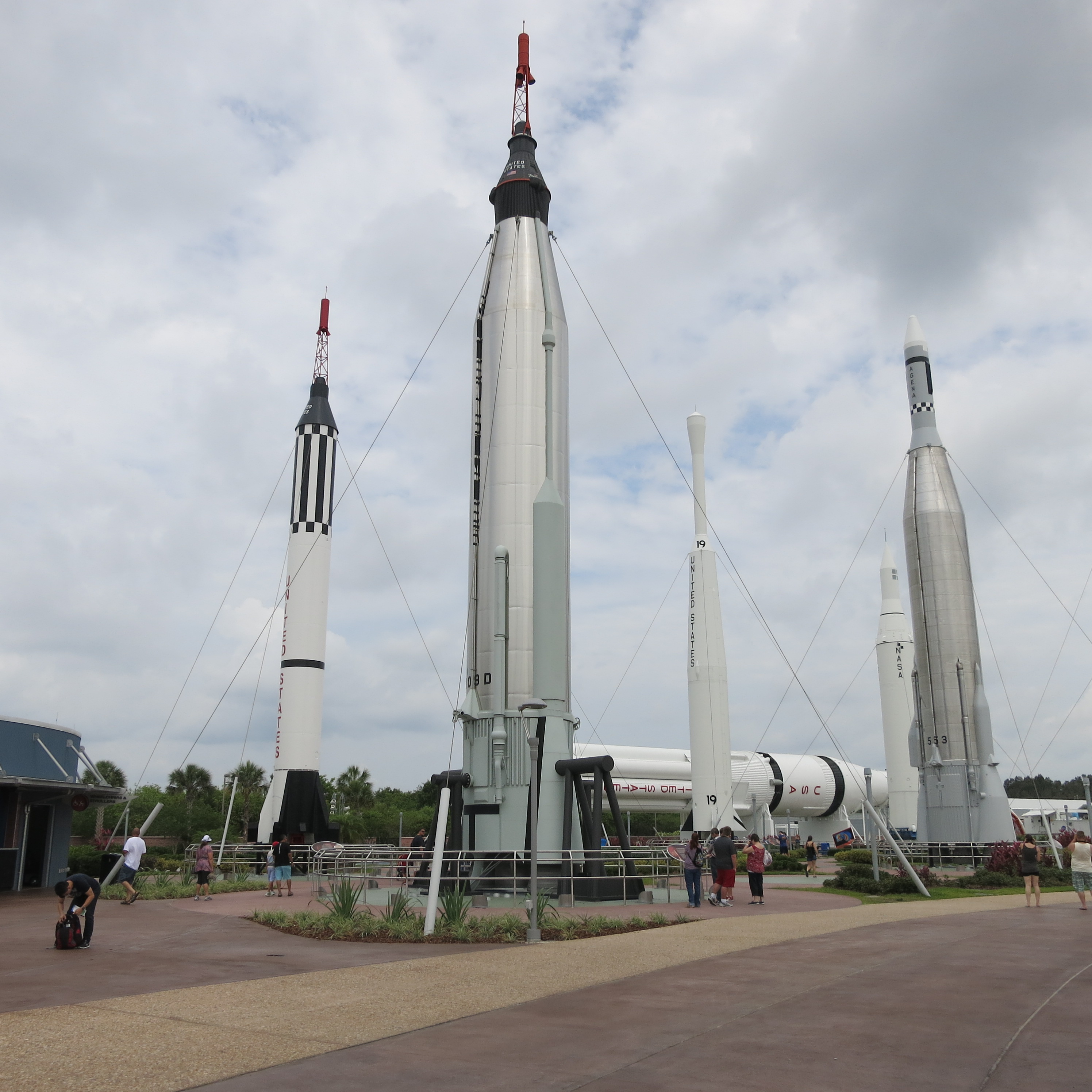
Rocket Garden at Kennedy Space Center

Rocket Garden at Kennedy Space Center

One of our most interesting adventures was a trip to Kennedy Space Center. This is where NASA used to launch rockets and space shuttles. There is an elaborate museum and we easily spent a full day learning. There are multiple pictures in the photo gallery that you access through the “Pictures” tab at the top of this page. We got to see the launch pads, the humongous assembly building, multiple generations of rockets, a couple great iMax documentaries, artifacts, and footage from many past events.
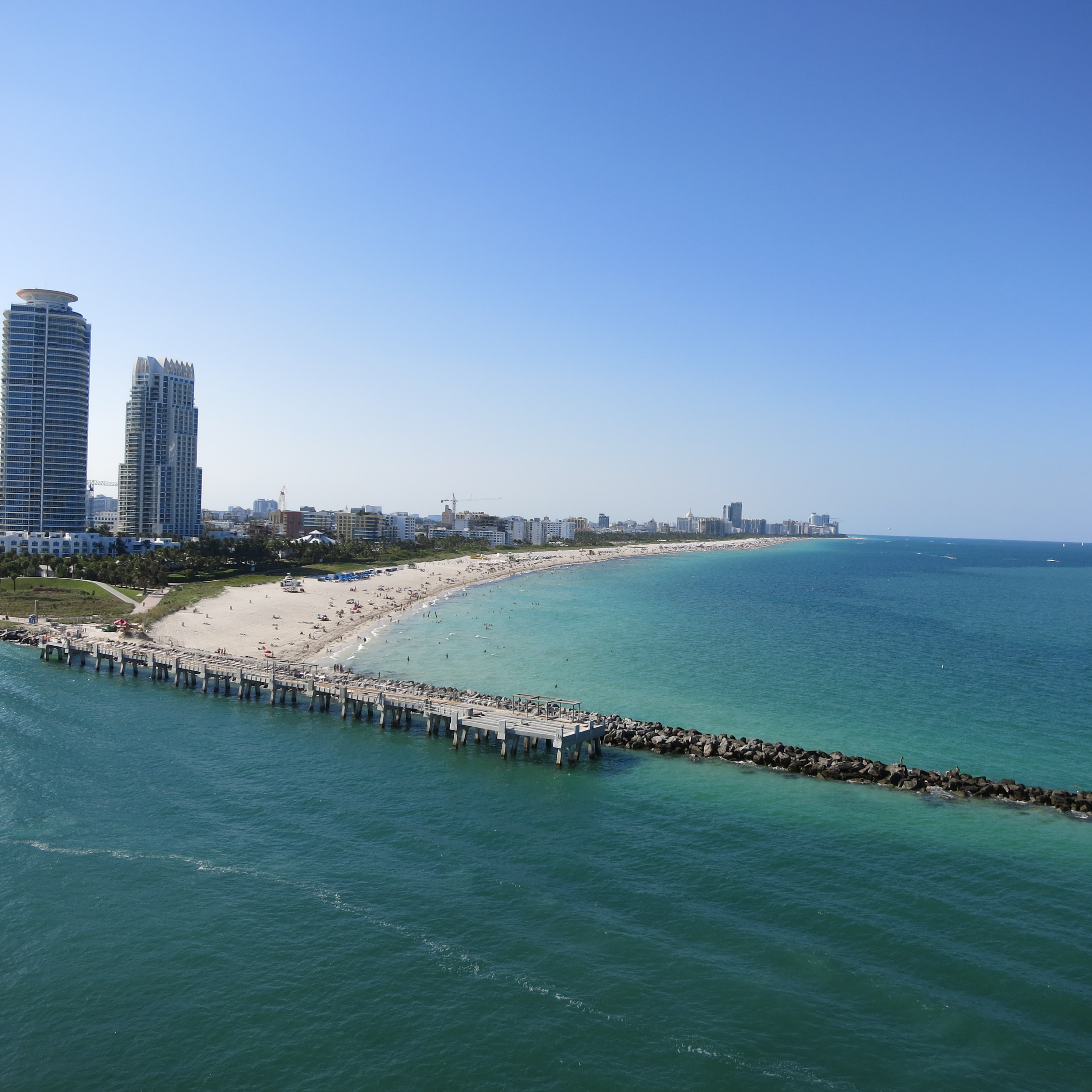
The southern end of the infamous South Beach in Miami.

The southern end of the infamous South Beach in Miami.

With a month in Florida, we decided that we needed to check out the infamous South Beach of Miami and spent a night down there. It was a surprising place: very fun, affordable, and the most livable community we’ve seen yet in Florida. A local bus makes a big loop through the lower end of Miami Beach and only costs a quarter. More often than not we heard people speaking a language other than English, which is probably due to both the tourists and the diversity of locals. The food was great. The people watching was glorious.

Our cruise boat. Note the two hot tubs and two swimming pools.

Our cruise boat. Note the two hot tubs and two swimming pools.

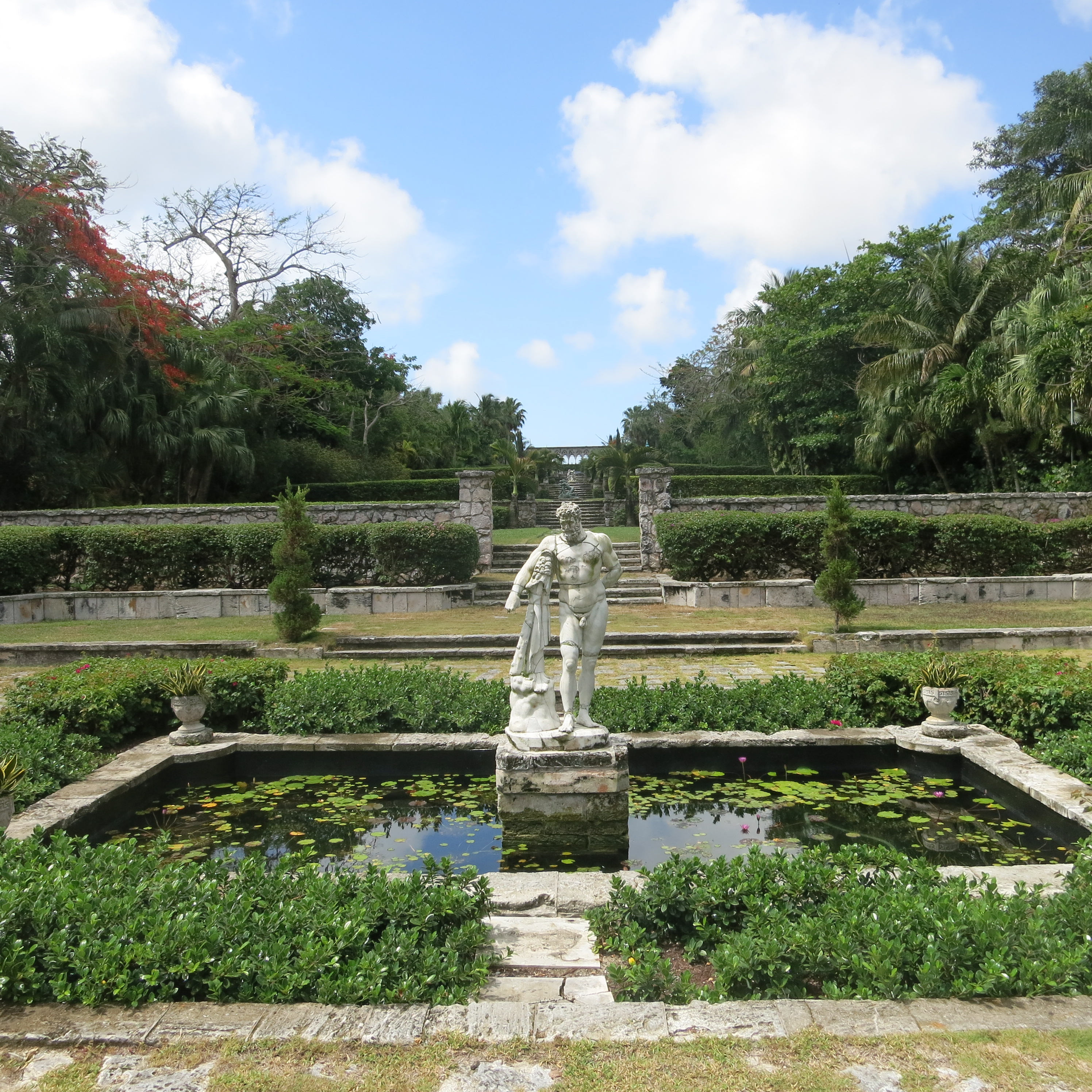
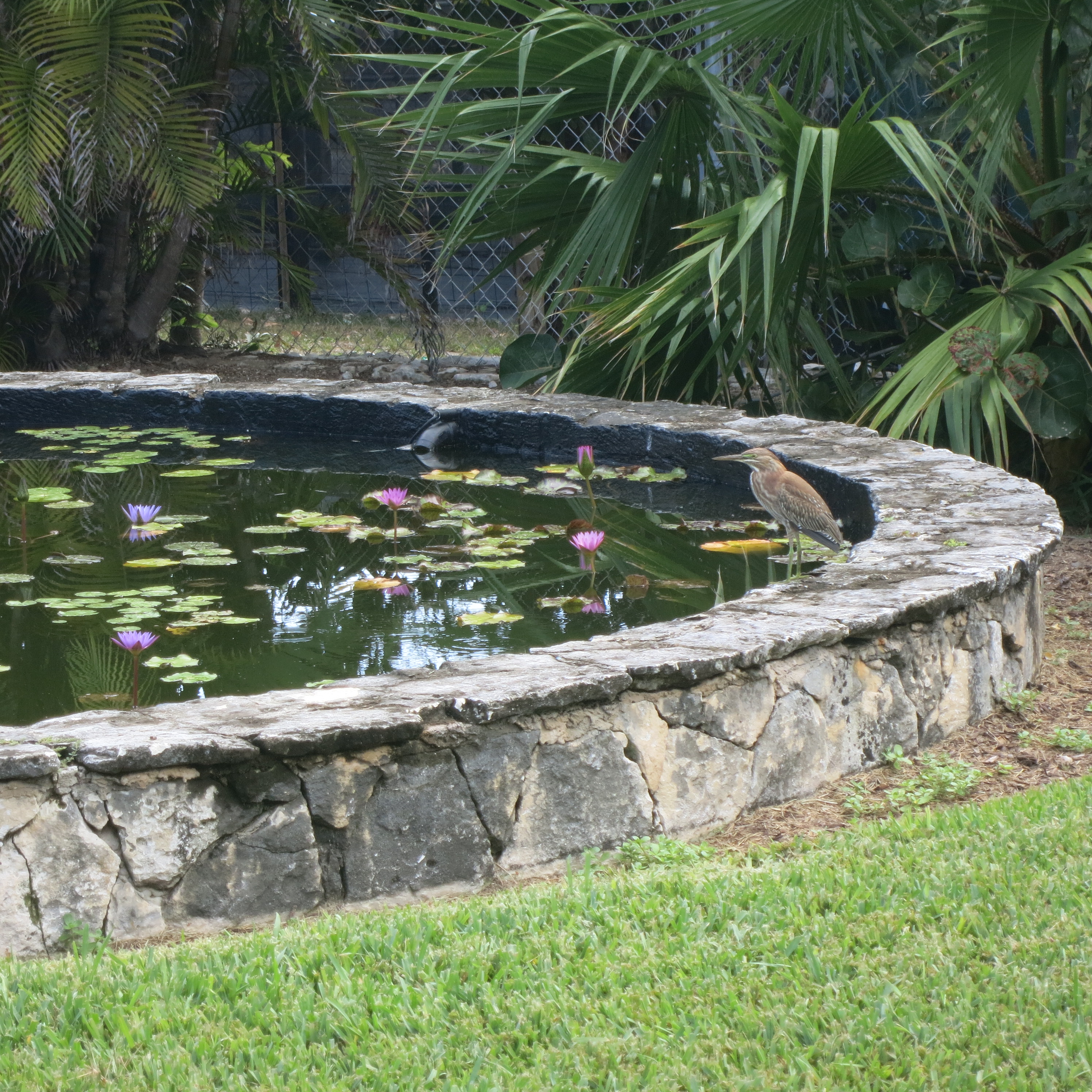
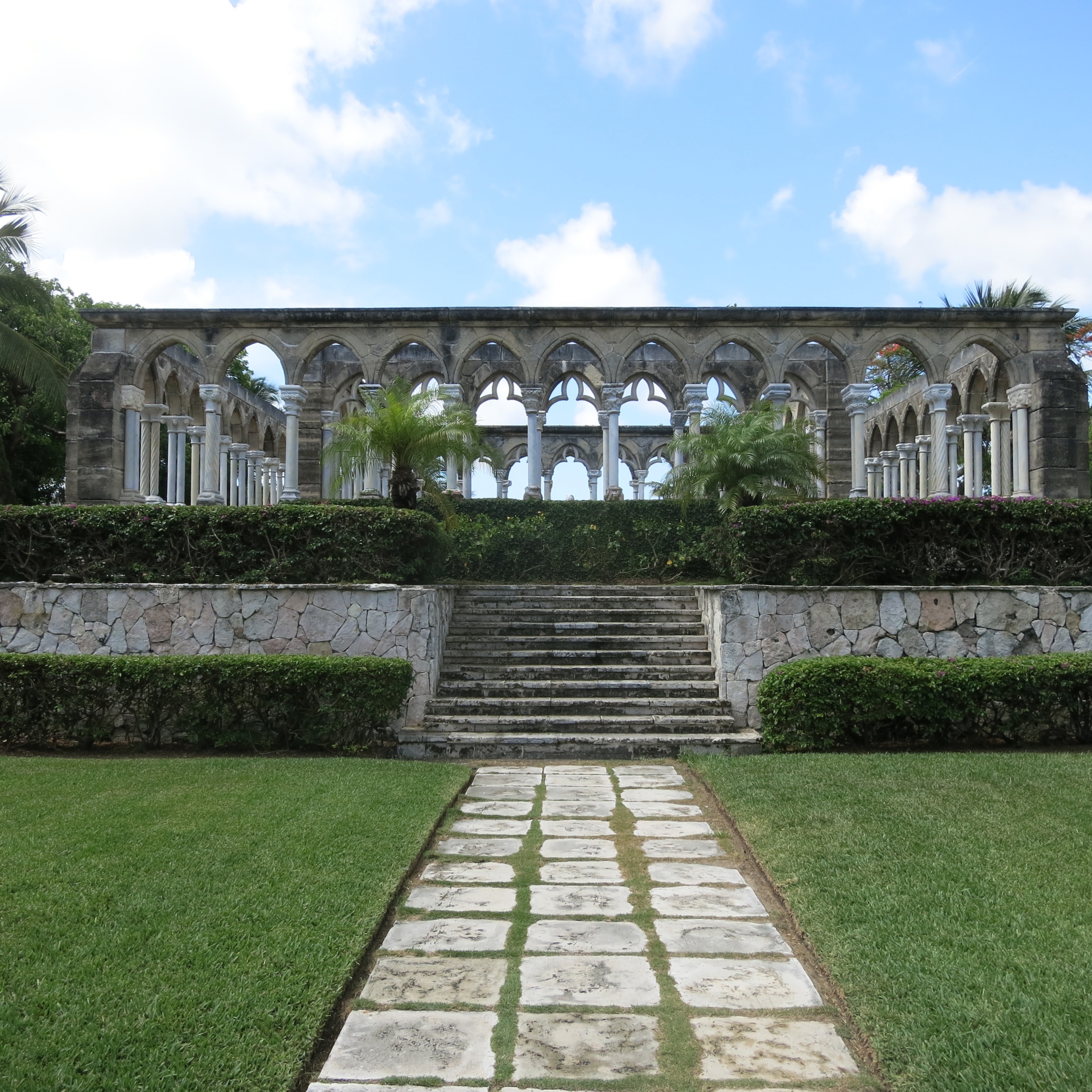
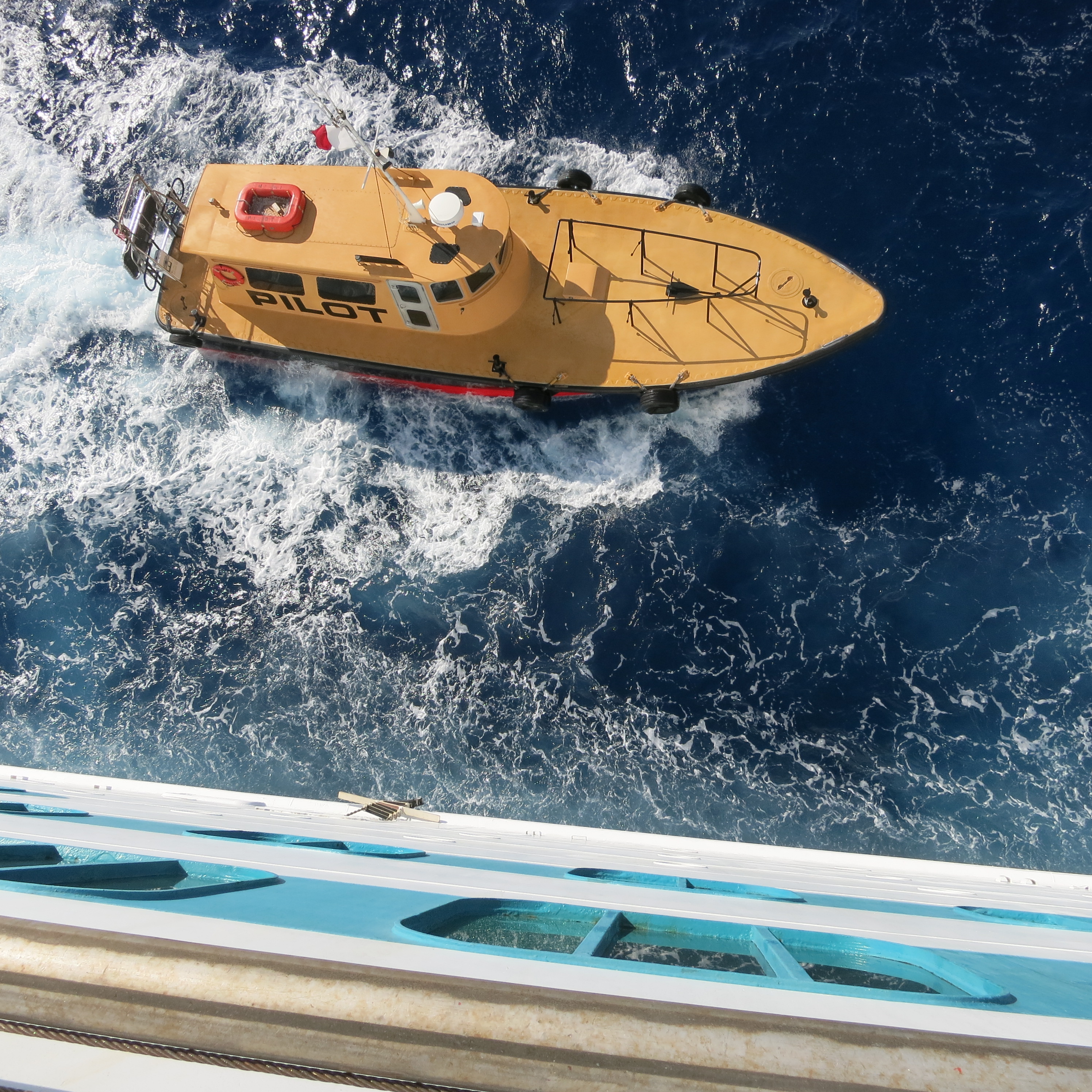
Looking for a new experience to fill the upcoming weekend, Megan came across a steep discount for a 3-day cruise to the Bahamas. We jumped on it. It was an enormous ship: 880 feet long, 2500 guests, almost 900 staff, 14 stories, 2 swimming pools, and 9 bars and restaurants. We spent one day in Nassau where we visited something called the Cloisters. It is the ruins of a convent built in France during the thirteenth century, bought by William Randolph Hurst, and then reconstructed in the 1960s in the Bahamas. The grounds included a series of terraces with sculpture, rock walls, gardens, pools, a gazebo and the central structure with double arched hallways. You can see more pictures in the photo gallery. On this day, it rained very heavily on us with passing thunderstorms. We were in a swimming pool during one shower and couldn’t help but laugh at how much wetter we seemed with the downpour and the splash back from each drop. Our second day was spent on Coco Cay, a small cay owned by the cruise ship company. We spent the day snorkeling. The highlight of our snorkel was seeing four rays. Three were very large spotted eagle rays, with about 10-foot wingspans; nose to tail they were 15 feet long. In addition, we saw a lot of our favorite fish but many were significantly larger than we have seen before. Overall, we enjoyed the change of scene and being on the sea. We were fascinated to see the mechanics of such a large boat docking, steering, and anchoring. Jim caught a great video of the pilots leaving the cruise ship to head back into Miami.

The Cloisters, near Nassau. Ruins from a french convent that was moved to the Bahamas

The Cloisters, near Nassau. Ruins from a french convent that was moved to the Bahamas

We plan to stay here for a few more weeks until Jim is recuperated.
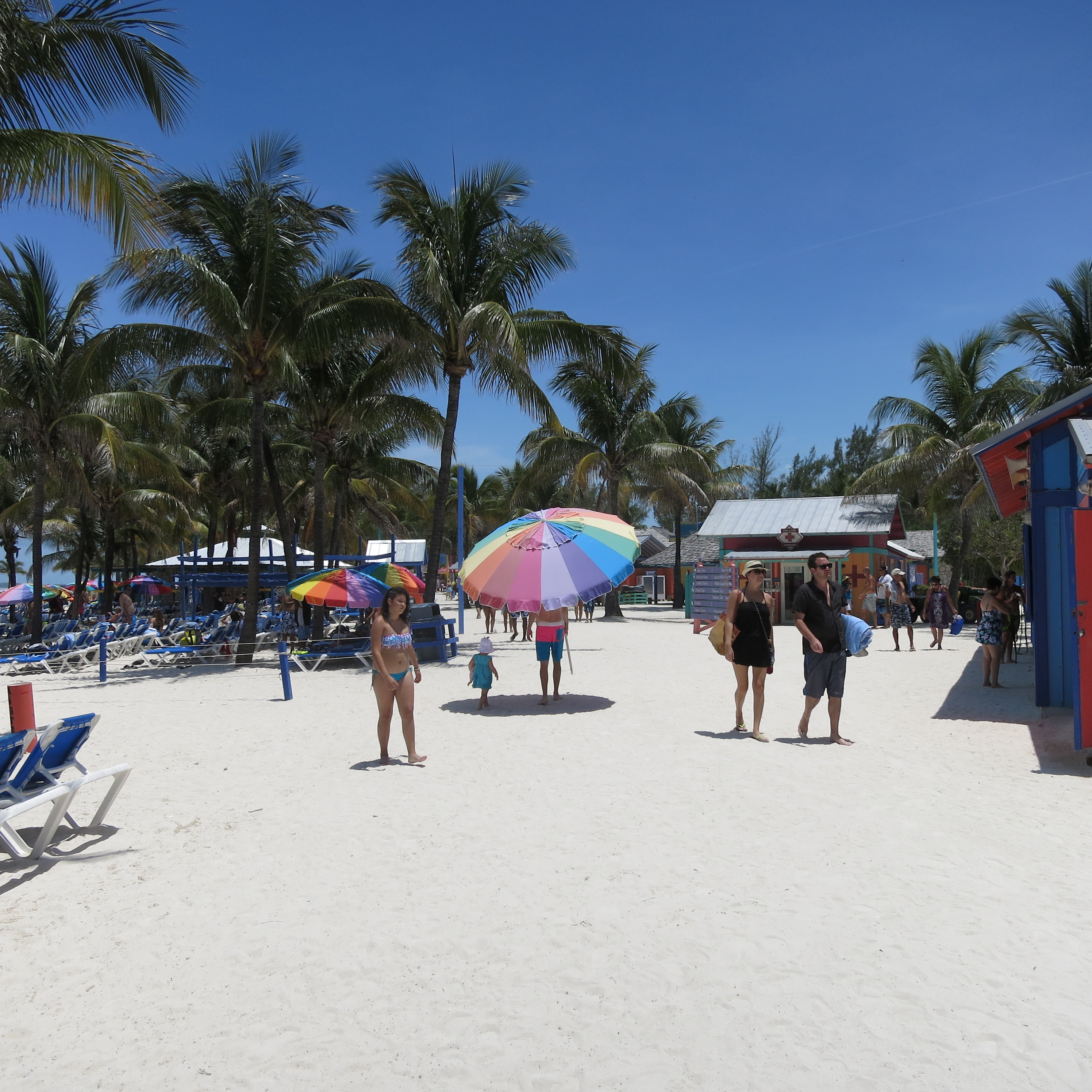
People commonly use umbrellas here as sun shades. Here is a dad who pulled up his beach umbrella to take a walk with his daughter.
People commonly use umbrellas here as sun shades. Here is a dad who pulled up his beach umbrella to take a walk with his daughter.

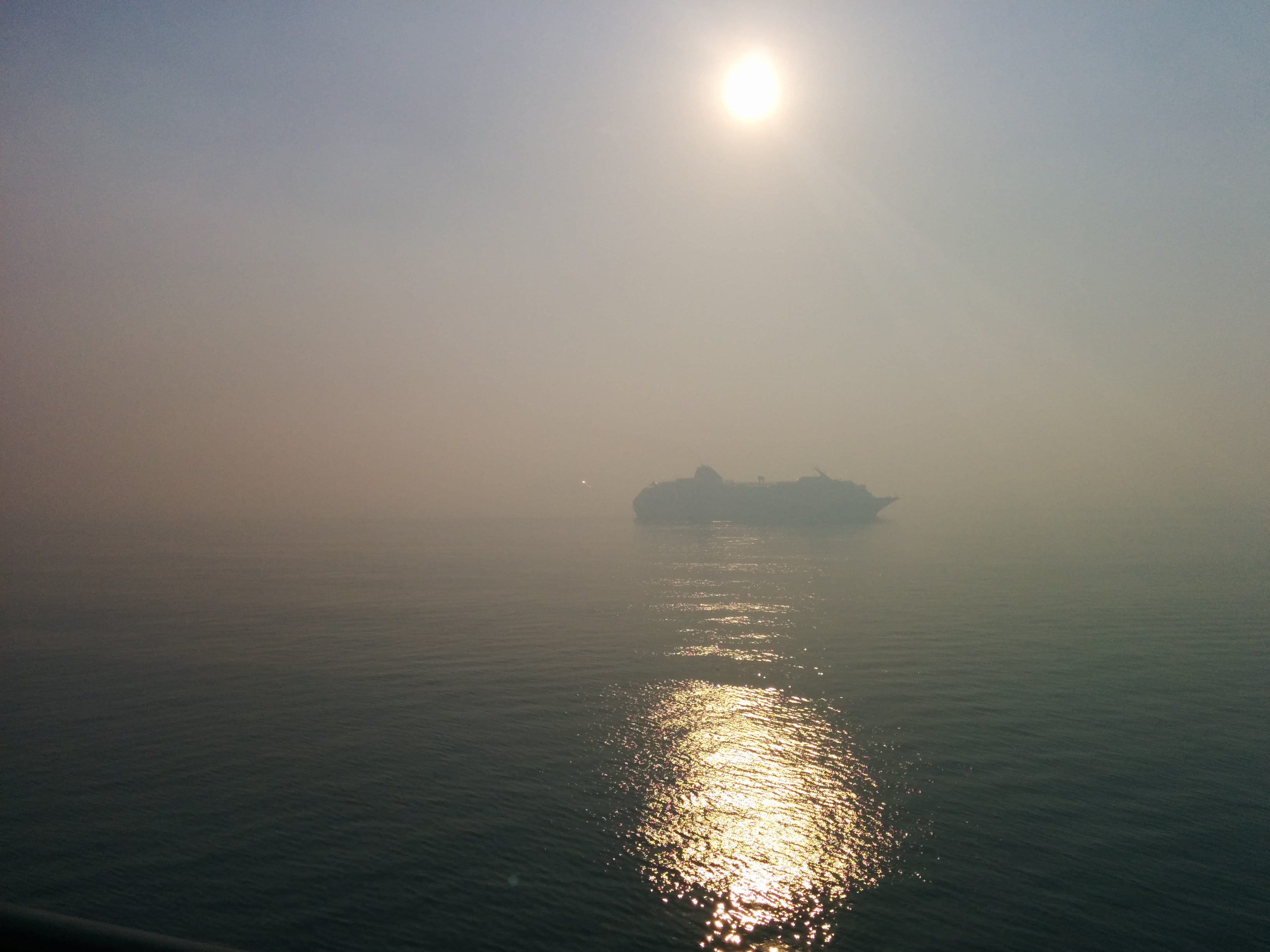
On the last morning of our cruise, our boat was delayed due to a brush fire in the Everglades the day before. The Port of Miami was closed and we could barely make out the other boats queued up waiting for the port to reopen due to the thick smoke.
On the last morning of our cruise, our boat was delayed due to a brush fire in the Everglades the day before. The Port of Miami was closed and we could barely make out the other boats queued up waiting for the port to reopen due to the thick smoke.

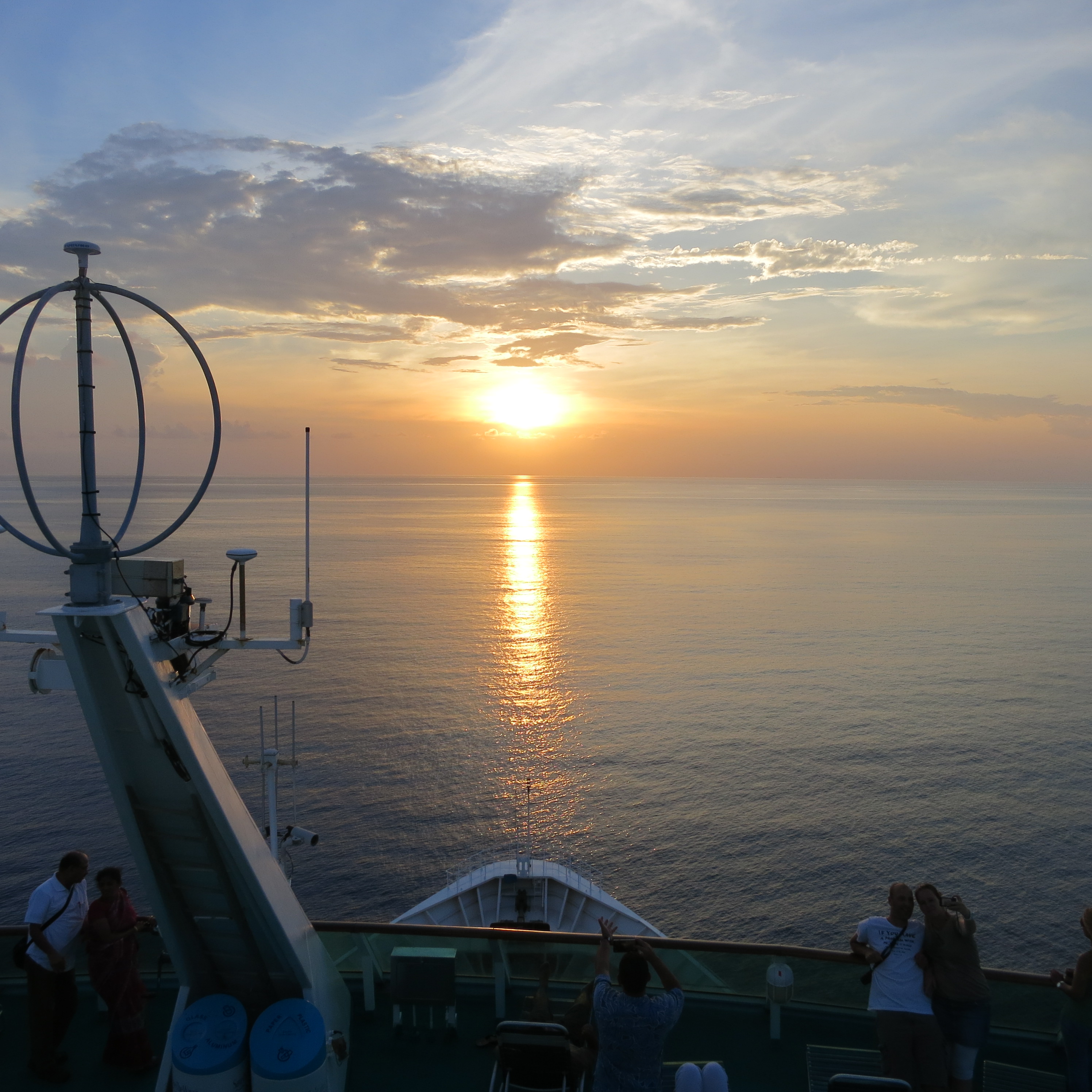
Cruise boat sunset

Cruise boat sunset

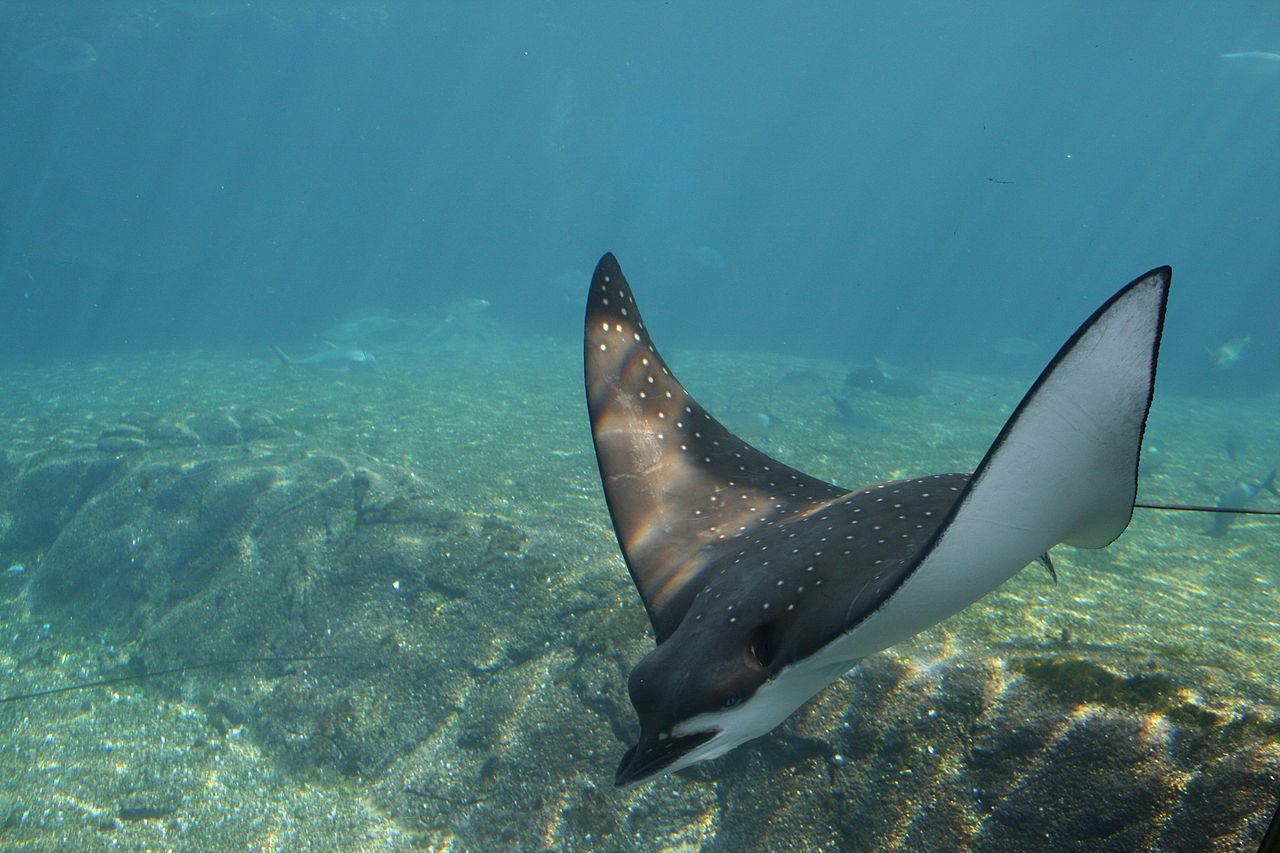
Spotted eagle ray, like we saw in Coco Cay. Credit to Wikimedia for the photo.
Spotted eagle ray, like we saw in Coco Cay. Credit to Wikimedia for the photo.

Spotted eagle ray, showing it's large head. Credit to Wikimedia for the photo.

Spotted eagle ray, showing it’s large head. Credit to Wikimedia for the photo.
The Cloisters
The Cloisters
The Cloisters
The Cloisters

The Cloisters

The Cloisters

The Cloisters. Ruins from a french convent that was moved to the Bahamas
The Cloisters. Ruins from a french convent that was moved to the Bahamas

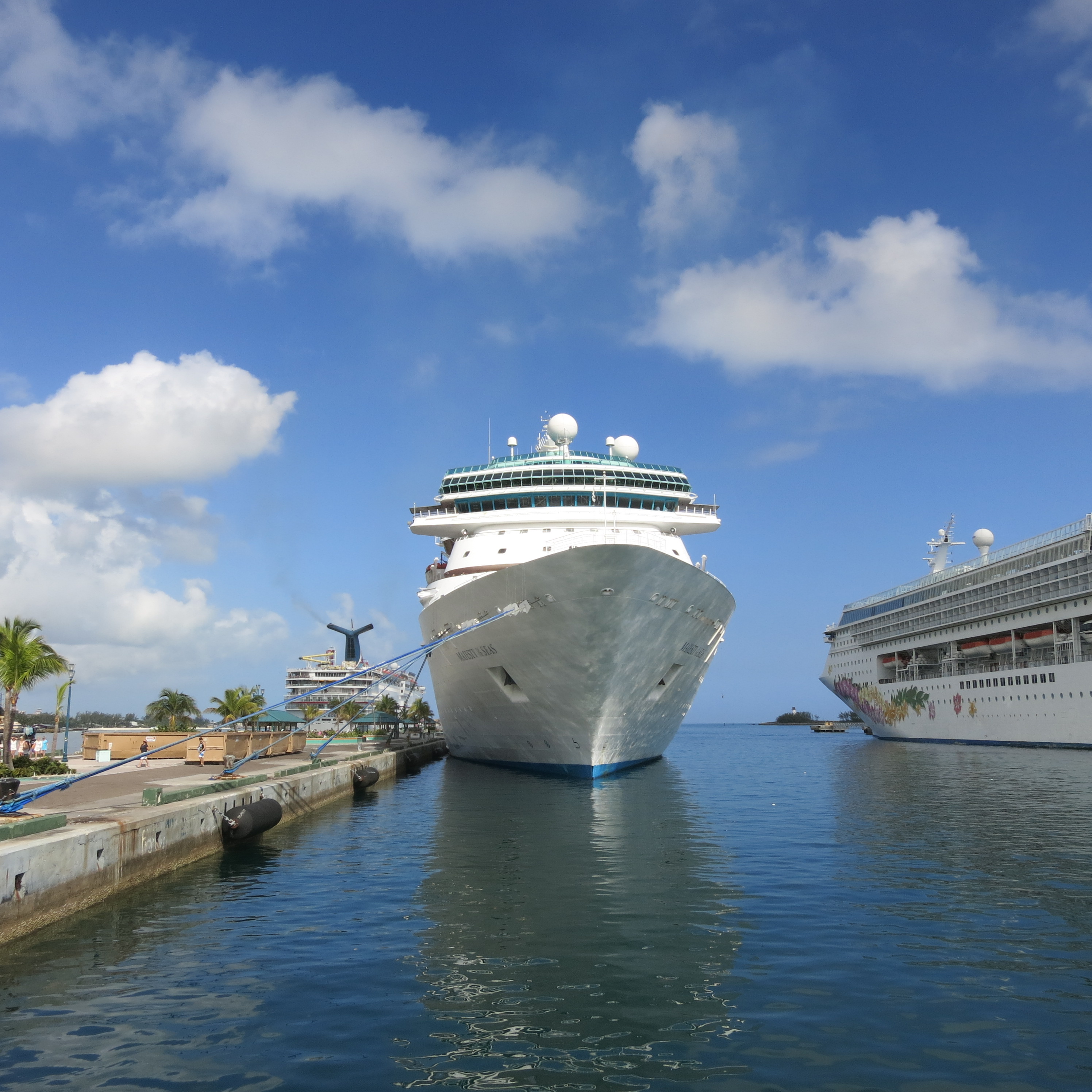
Our boat docked in Nassau. Note the cruise ships on either side.
Our boat docked in Nassau. Note the cruise ships on either side.

Jim was able to take the false helm in the top-floor cocktail lounge of our cruise boat.
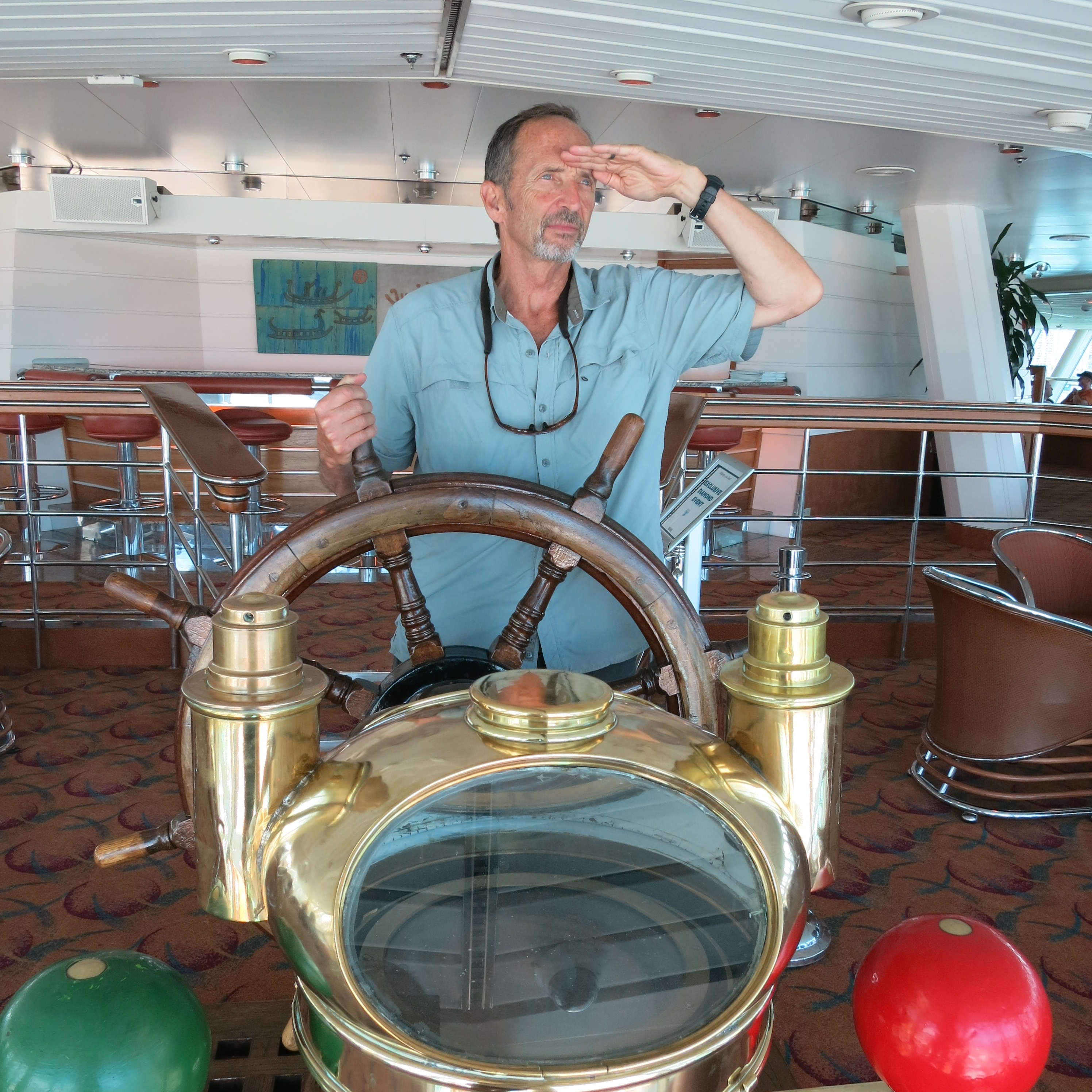
Jim was able to take the false helm in the top-floor cocktail lounge of our cruise boat.

Megan on the cruise boat with Miami receding into the background.
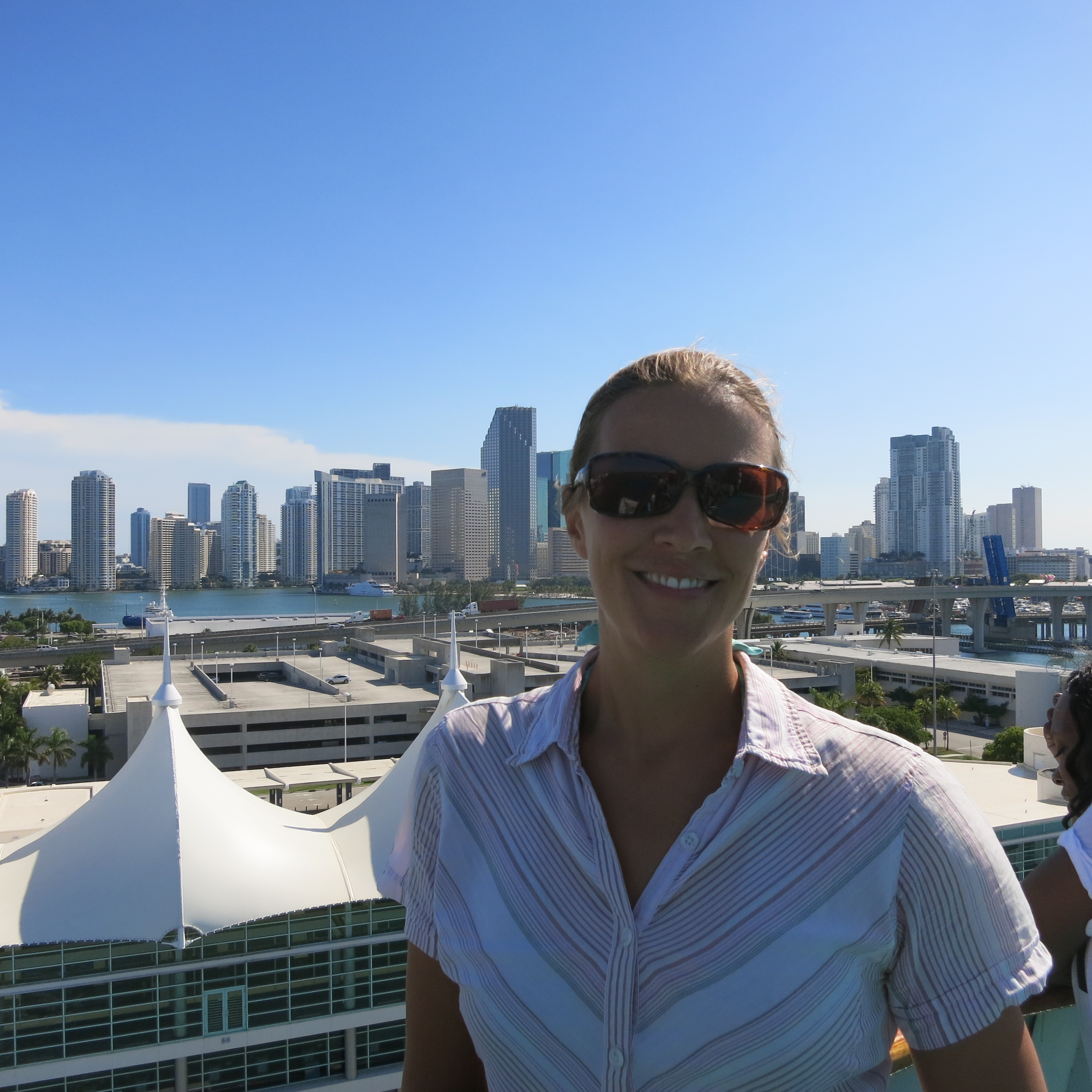
Megan on the cruise boat with Miami receding into the background.

The Port of Miami pilot boat picking up the pilots after we cleared the channel.
The Port of Miami pilot boat picking up the pilots after we cleared the channel.

Port of Miami has a lot of industrial traffic in addition to cruise traffic
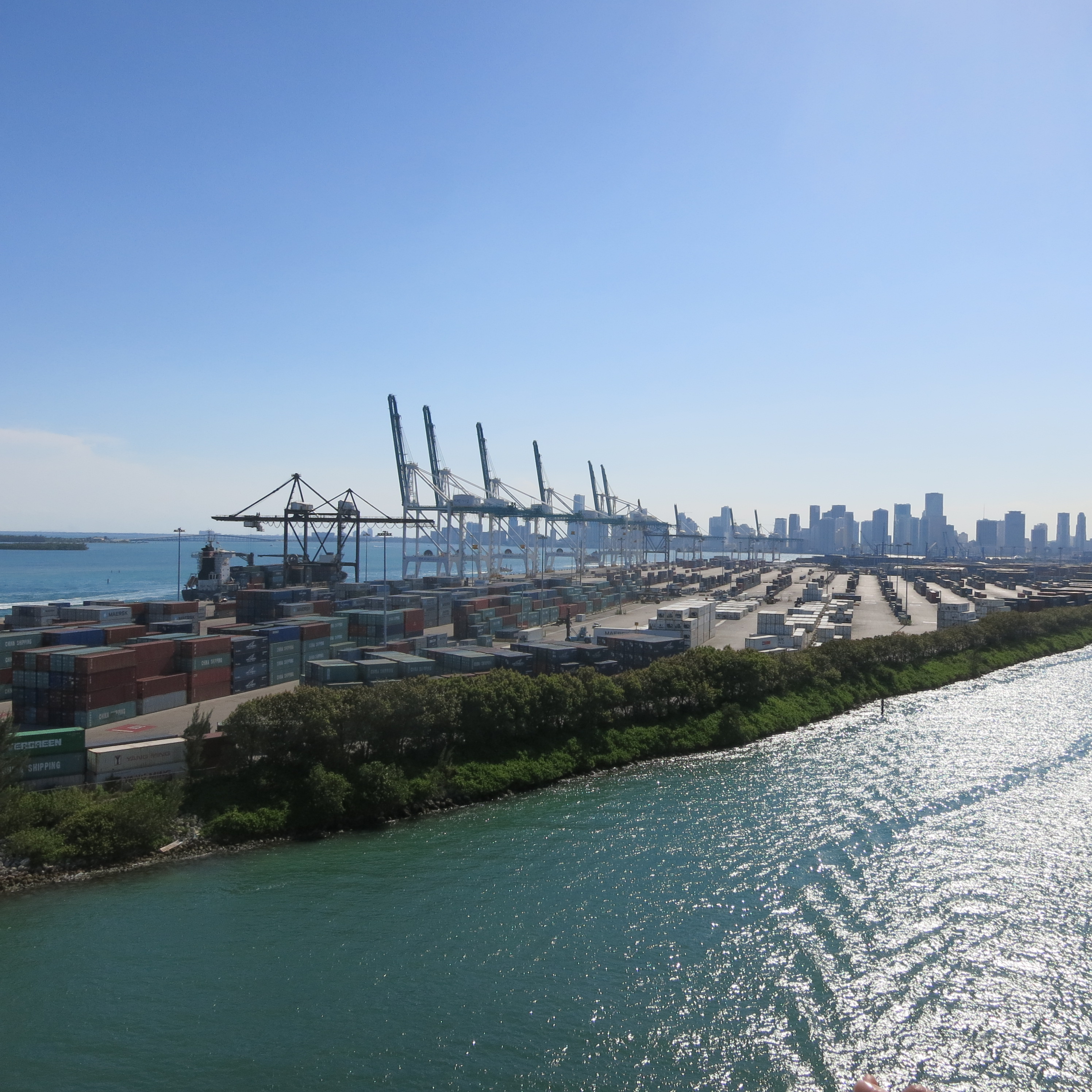
Port of Miami has a lot of industrial traffic in addition to cruise traffic

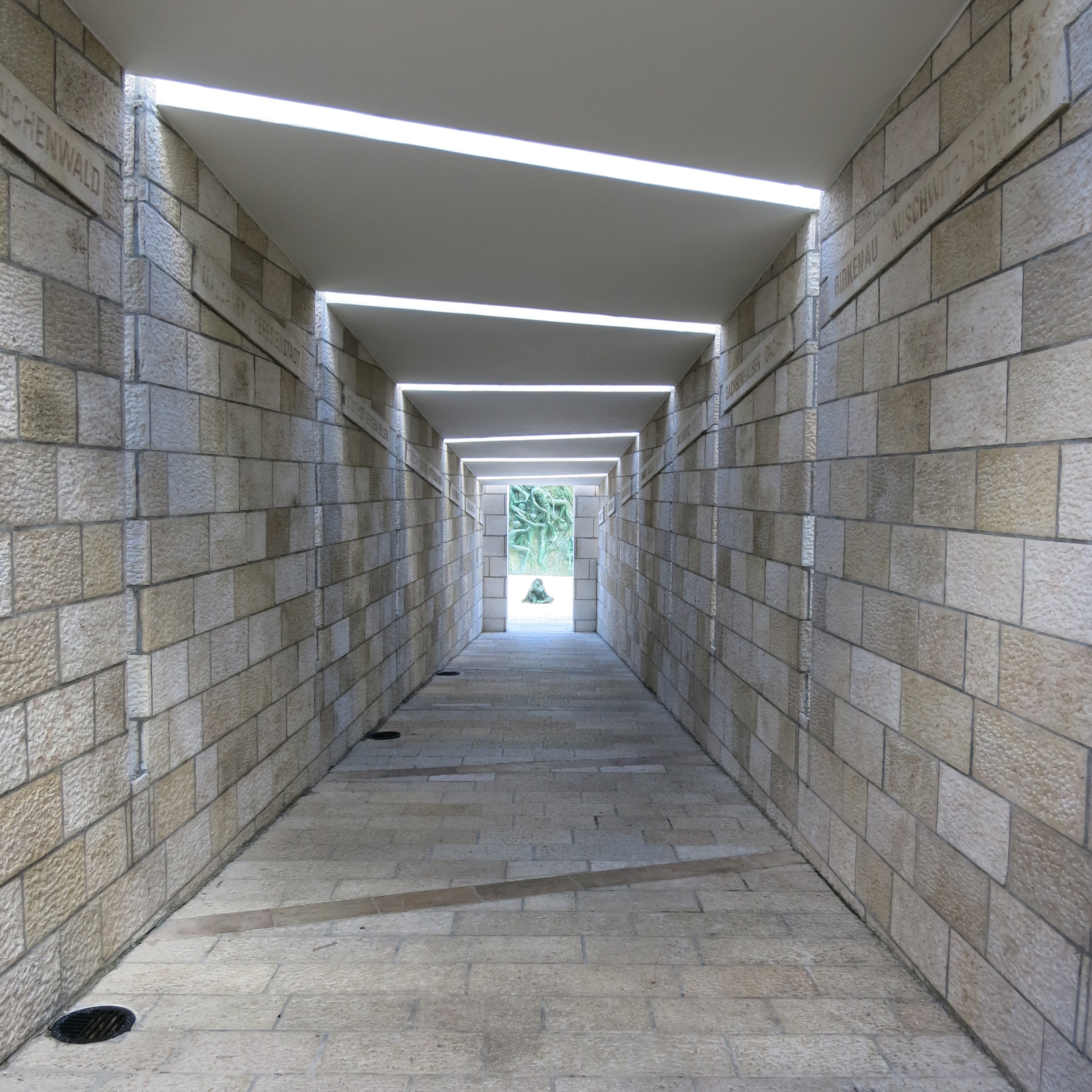
Miami Beach has a very well done Holocaust Memorial.
Miami Beach has a very well done Holocaust Memorial.

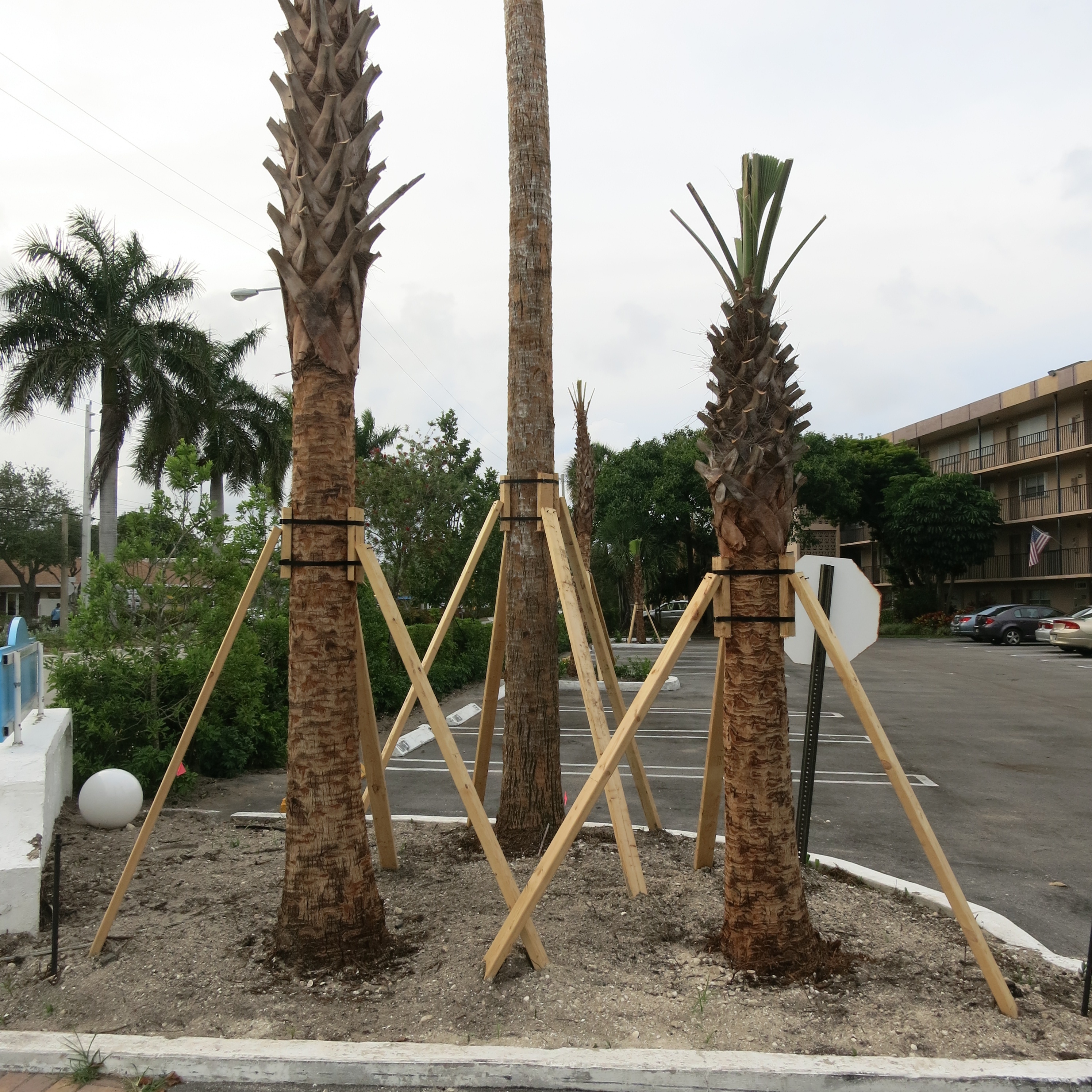
Many palms here are supported like this. They plant large trees by paring down the trunk, cutting a small circular root mass, and propping up the trees. We have seen thousands of these.
Many palms here are supported like this. They plant large trees by paring down the trunk, cutting a small circular root mass, and propping up the trees. We have seen thousands of these.

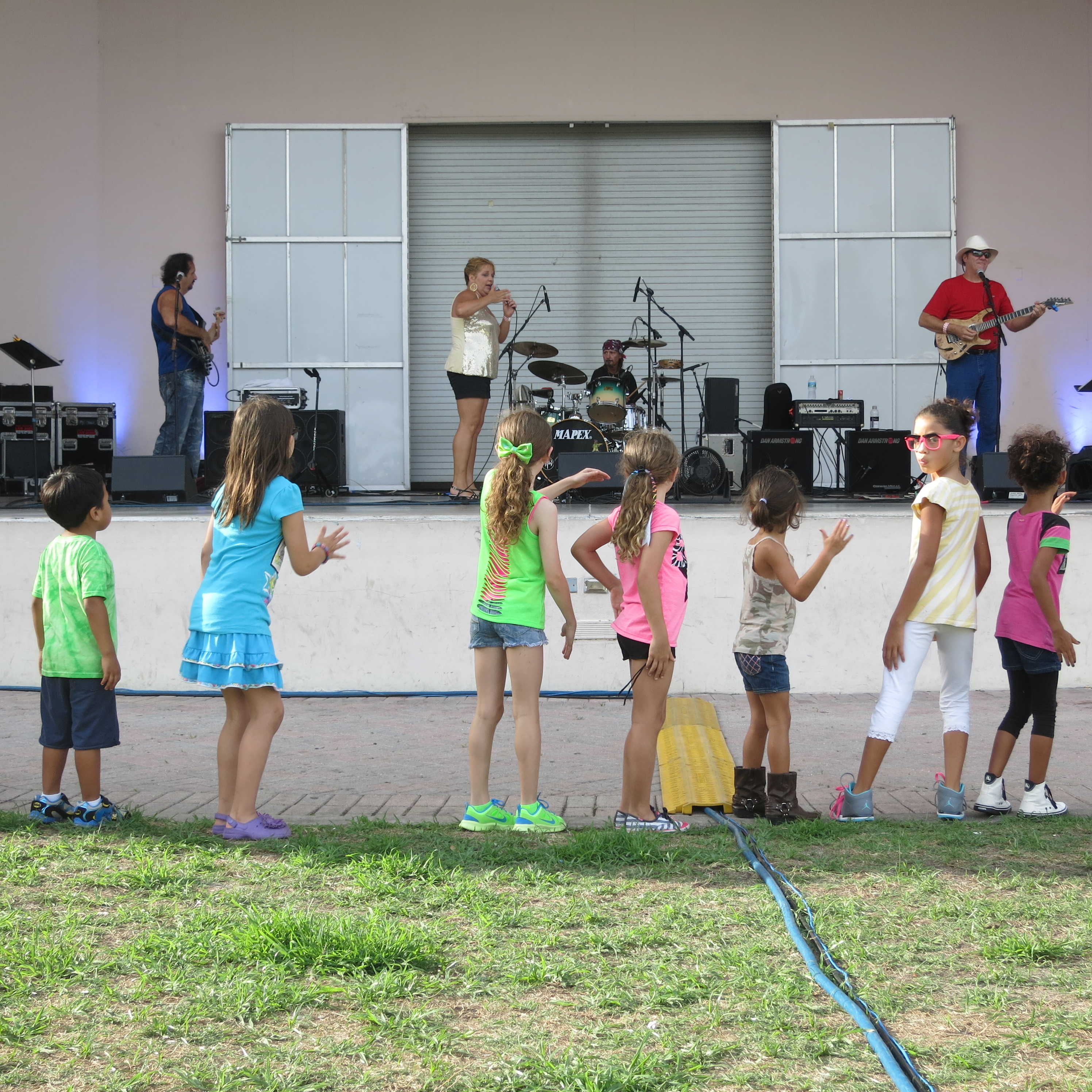
One night we attended a fundraiser for a local education cause in Delray Beach. The blues band rocked the house and taught the children a dance
One night we attended a fundraiser for a local education cause in Delray Beach. The blues band rocked the house and taught the children a dance

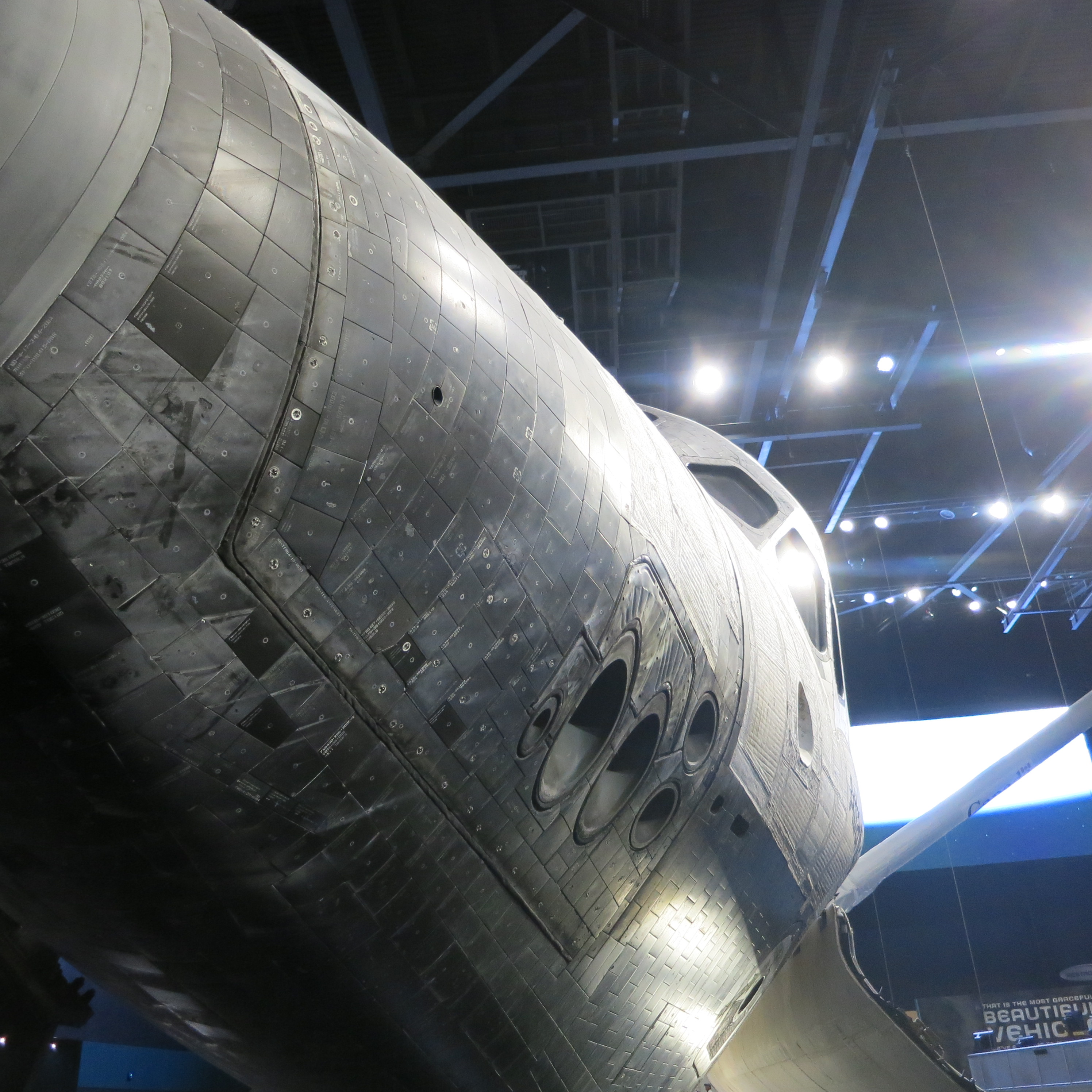
Atlantis space shuttle, now on display at the Kennedy Space Center with the bay doors open. In this picture, you can see the black panels of heat shields. This shuttle completed 33 missions over 26 years, transported 207 astronauts, spent 307 days in space, and flew 126 million miles  before it retired to the museum in 2011.

Atlantis space shuttle, now on display at the Kennedy Space Center with the bay doors open. In this picture, you can see the black panels of heat shields. This shuttle completed 33 missions over 26 years, transported 207 astronauts, spent 307 days in space, and flew 126 million miles before it retired to the museum in 2011.
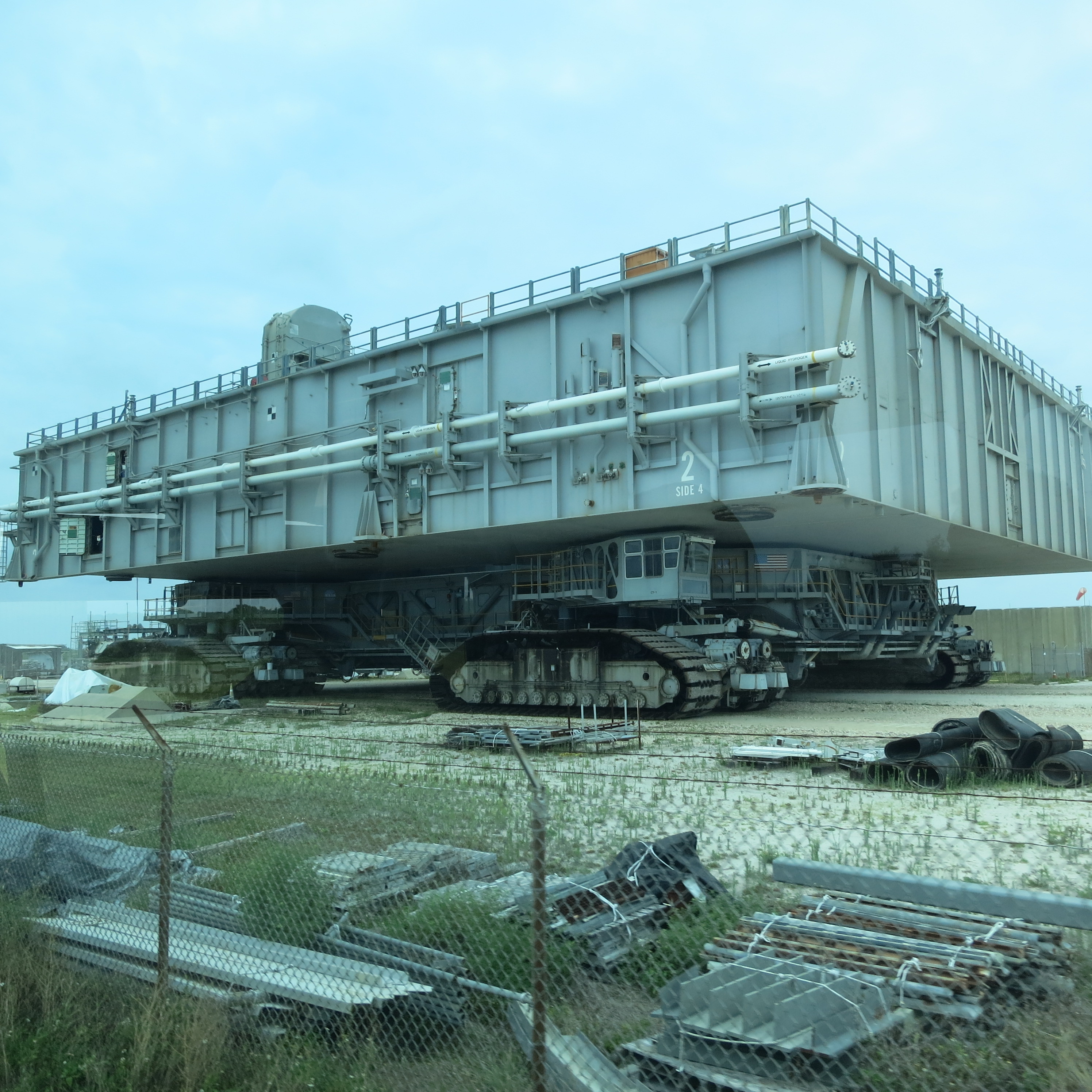
The "Crawler" at Kennedy Space Center with a platform on top. Rockets are transported on top of this from the assembly to the launch. Empty it weighs about 6 million pounds, can travel up to 2 mph,  and takes a team of 30 to operate it.

The “Crawler” at Kennedy Space Center with a platform on top. Rockets are transported on top of this from the assembly to the launch. Empty it weighs about 6 million pounds, can travel up to 2 mph, and takes a team of 30 to operate it.
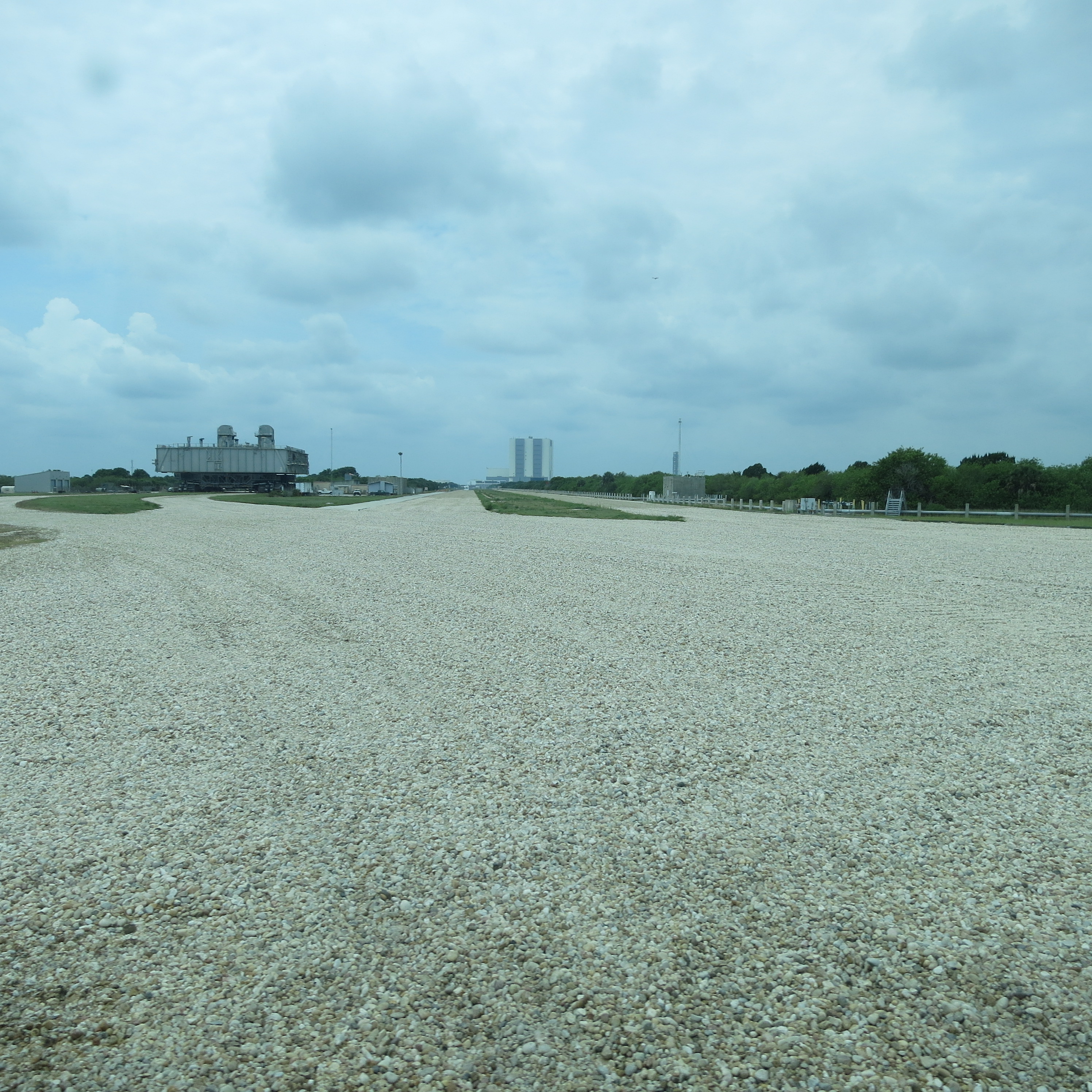
The Crawlerway connecting the assembly building to the launch pads at Kennedy Space Center
The Crawlerway connecting the assembly building to the launch pads at Kennedy Space Center

Palms make lovely patterns and their trunks often are a host to multiple other plants.
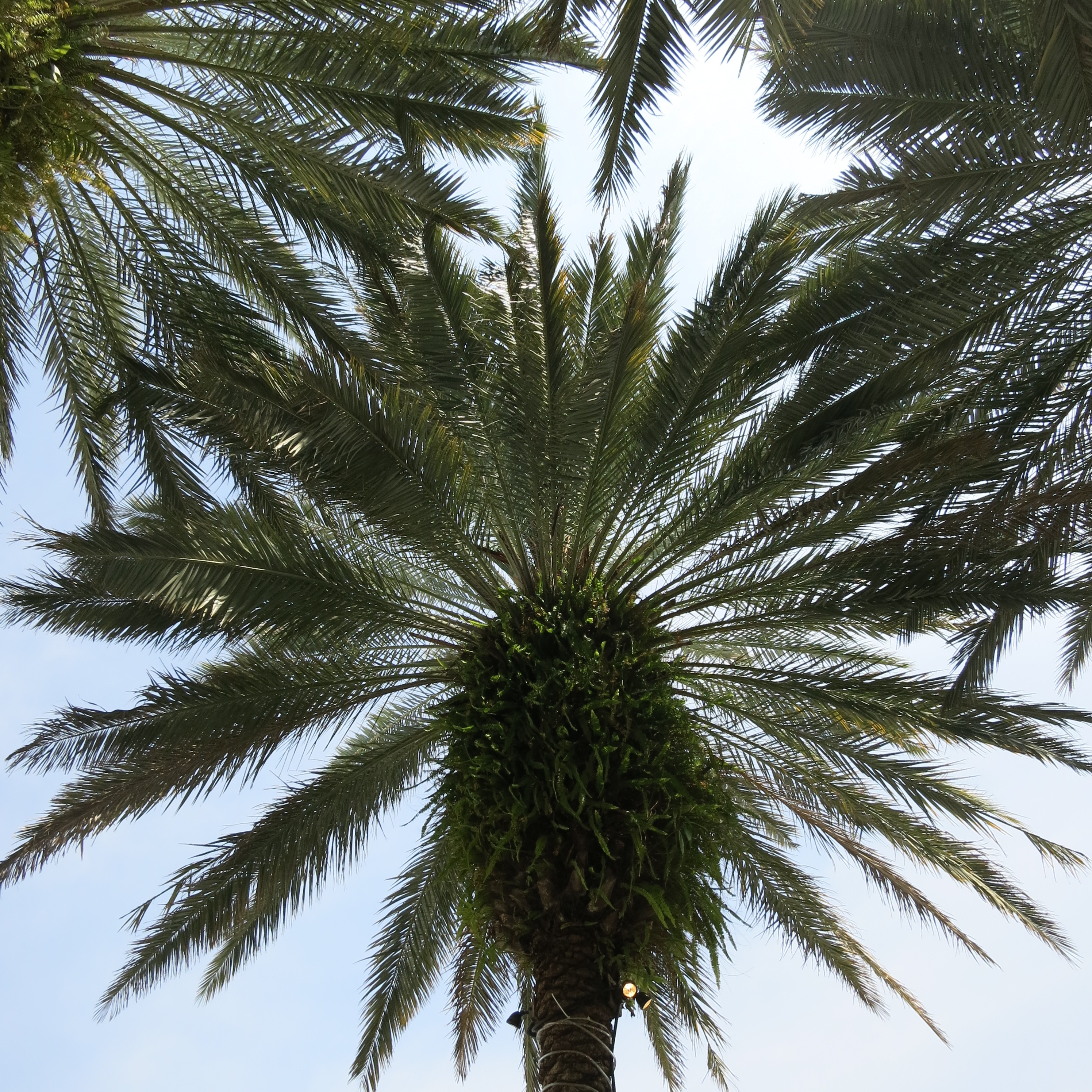
Palms make lovely patterns and their trunks often are a host to multiple other plants.

Sculpture garden at Norton Art Museum.
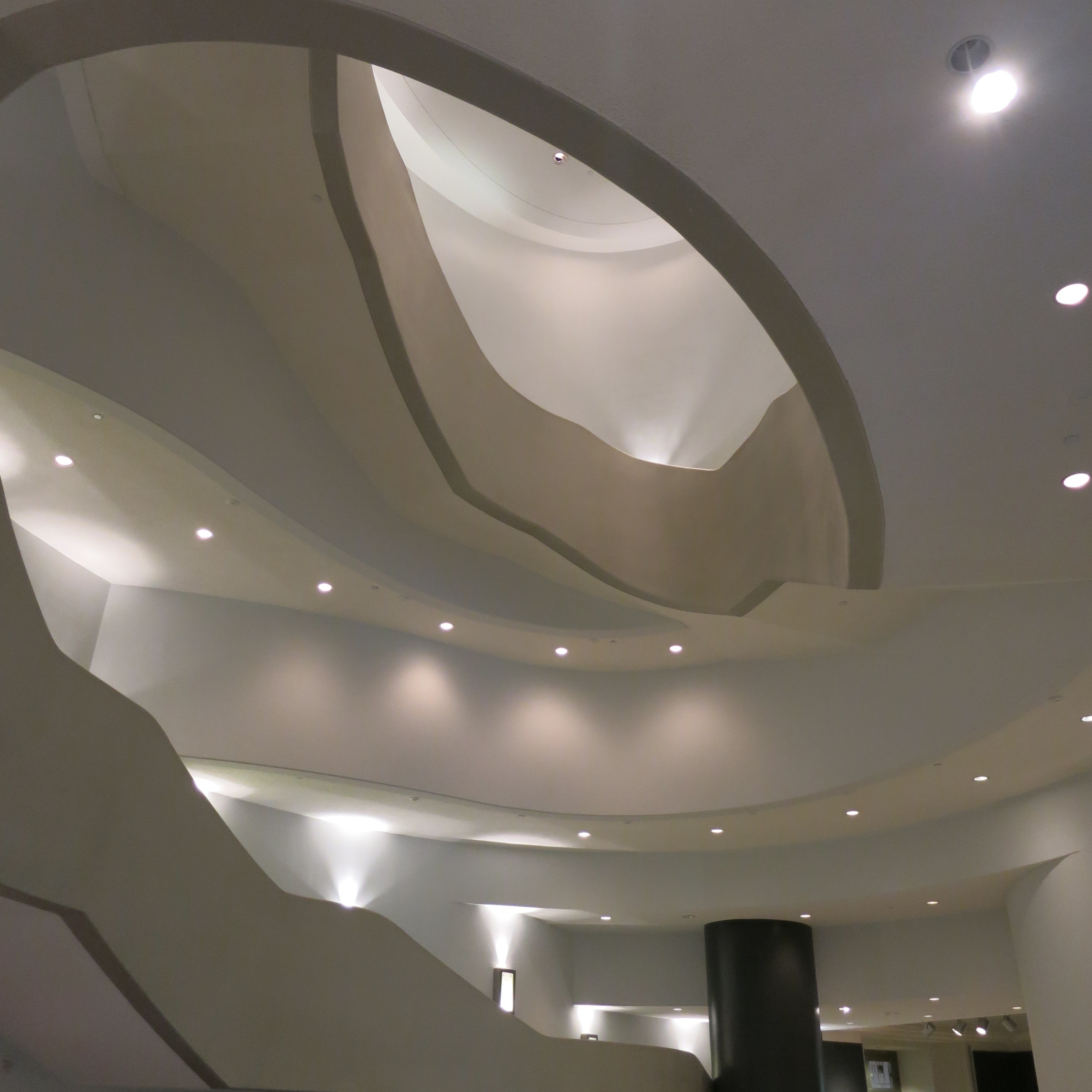
Sculpture garden at Norton Art Museum.

Norton Art Museum in West Palm Beach.
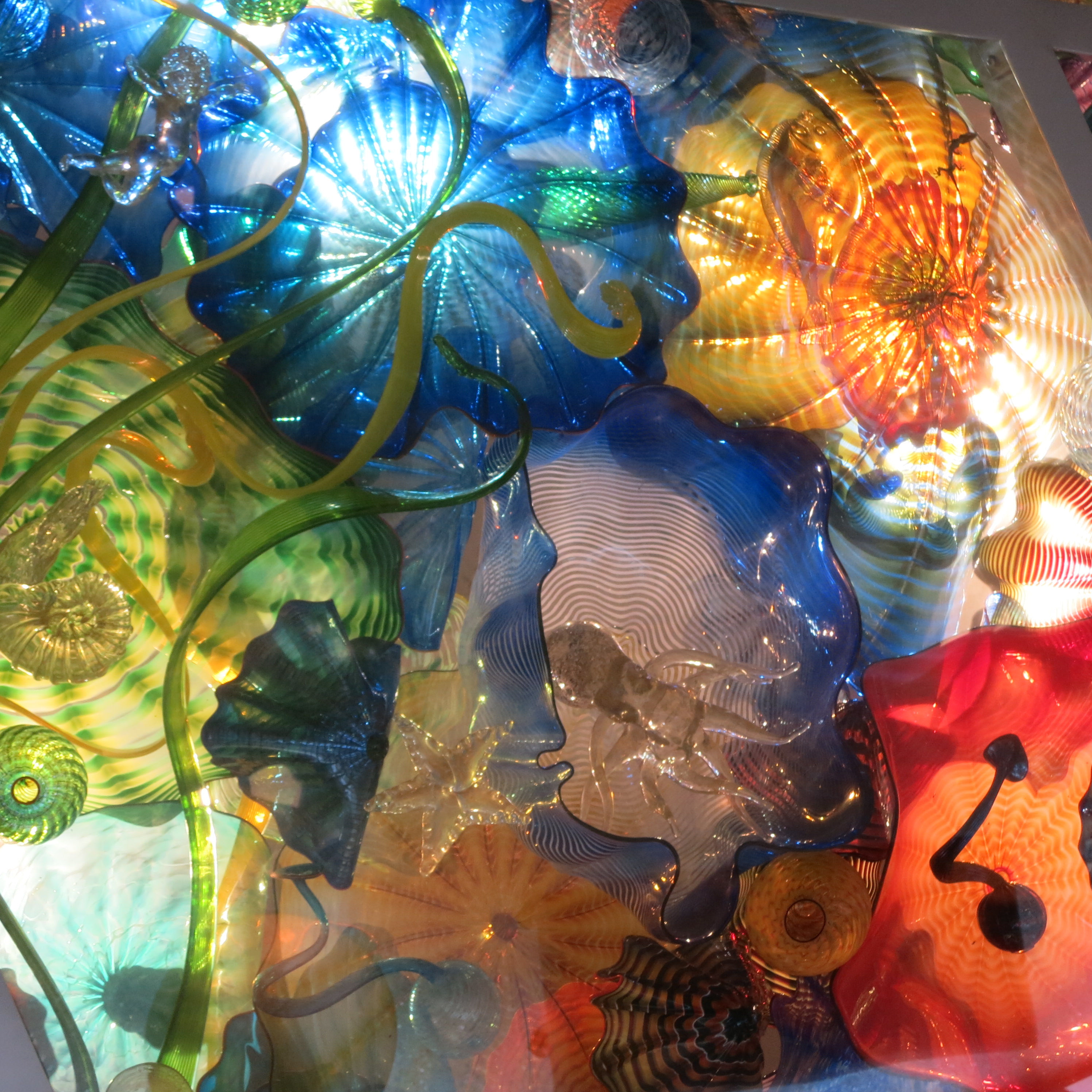
Norton Art Museum in West Palm Beach.

A marine-themed Chihuly exhibit at the Norton Art Museum. Can you find the starfish and octopus?
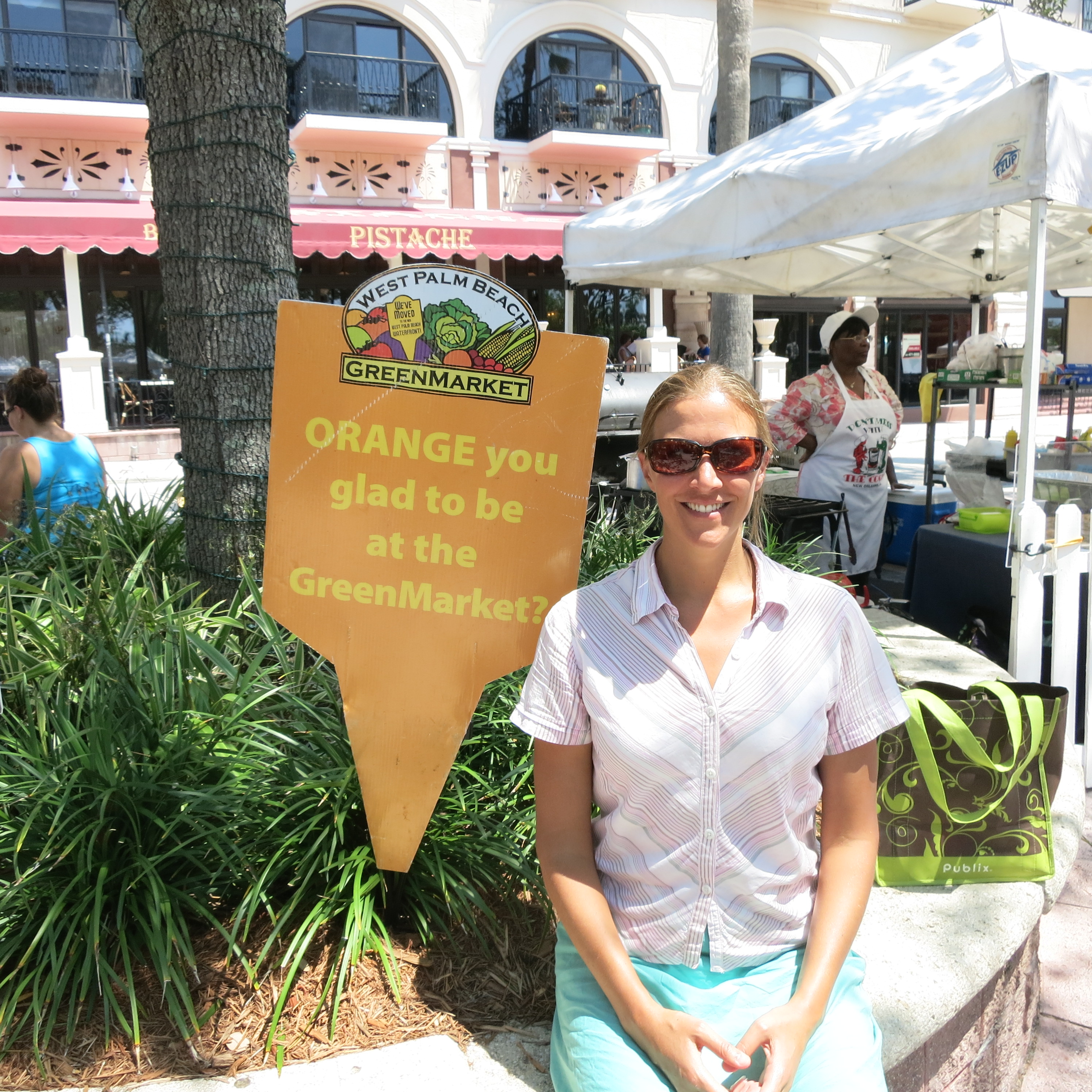
A marine-themed Chihuly exhibit at the Norton Art Museum. Can you find the starfish and octopus?

Megan enjoying the Saturday-morning. green market in West Palm Beach
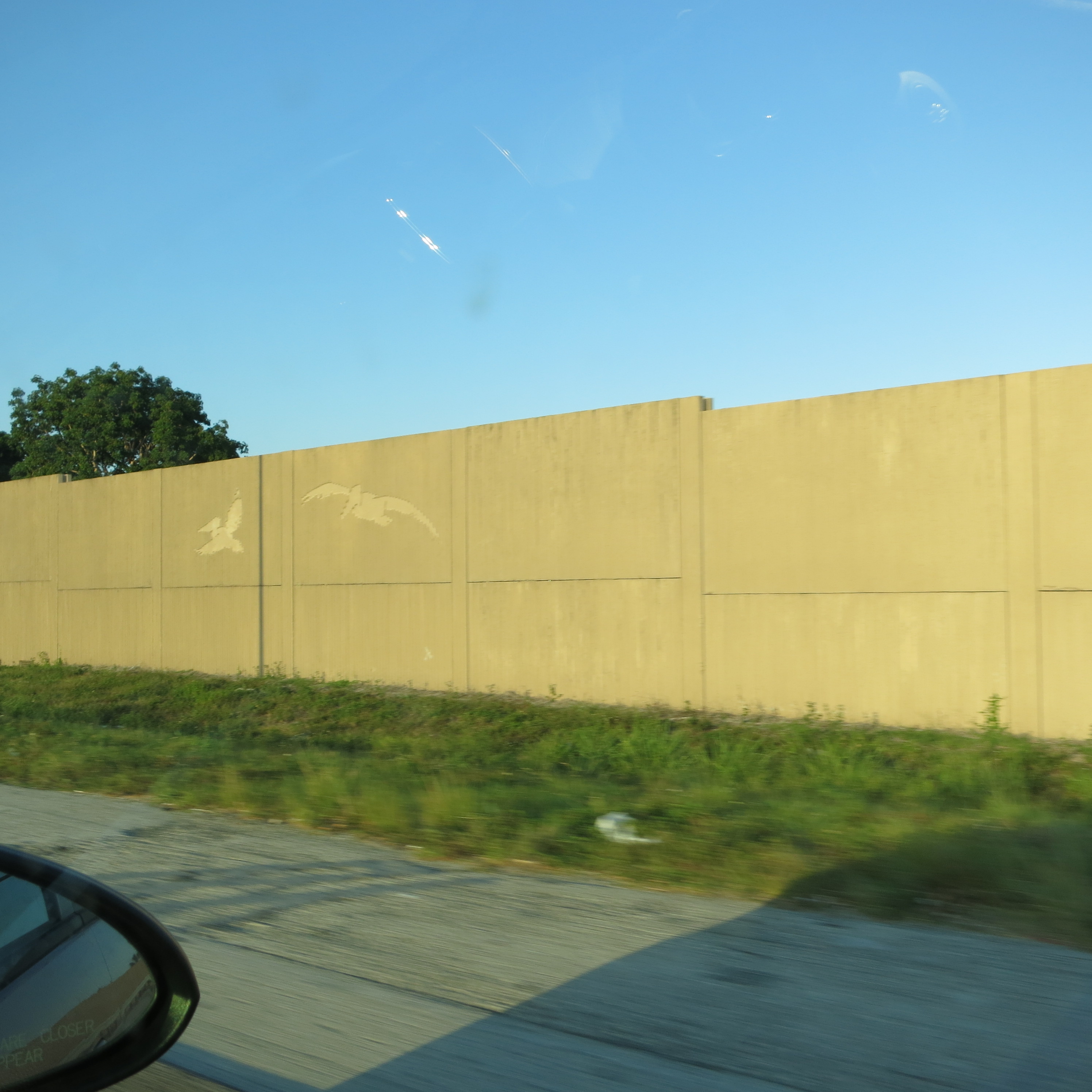
Megan enjoying the Saturday-morning. green market in West Palm Beach

The sound barriers along the freeway here are stamped with silhouettes of local animals.
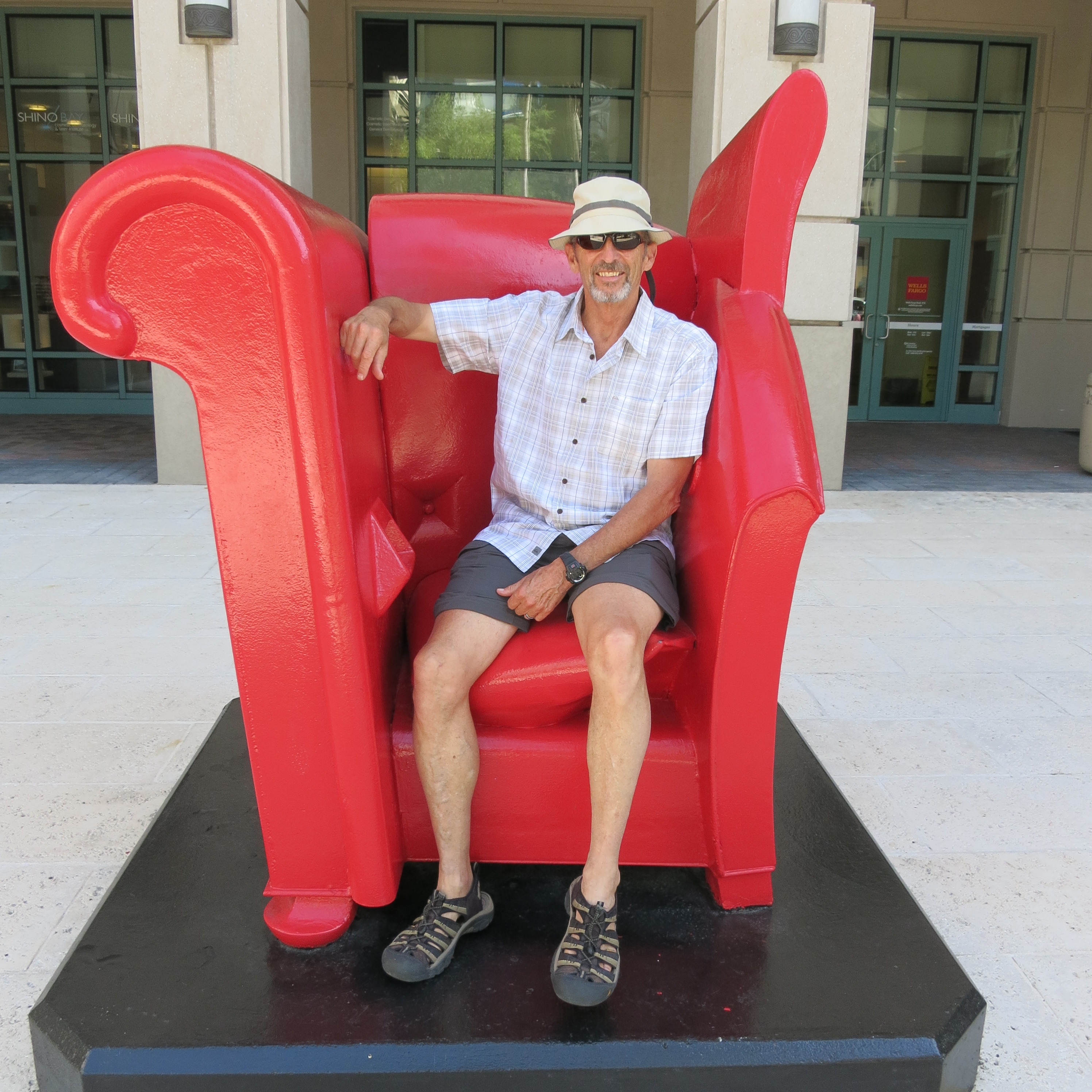
The sound barriers along the freeway here are stamped with silhouettes of local animals.

Jim taking a break
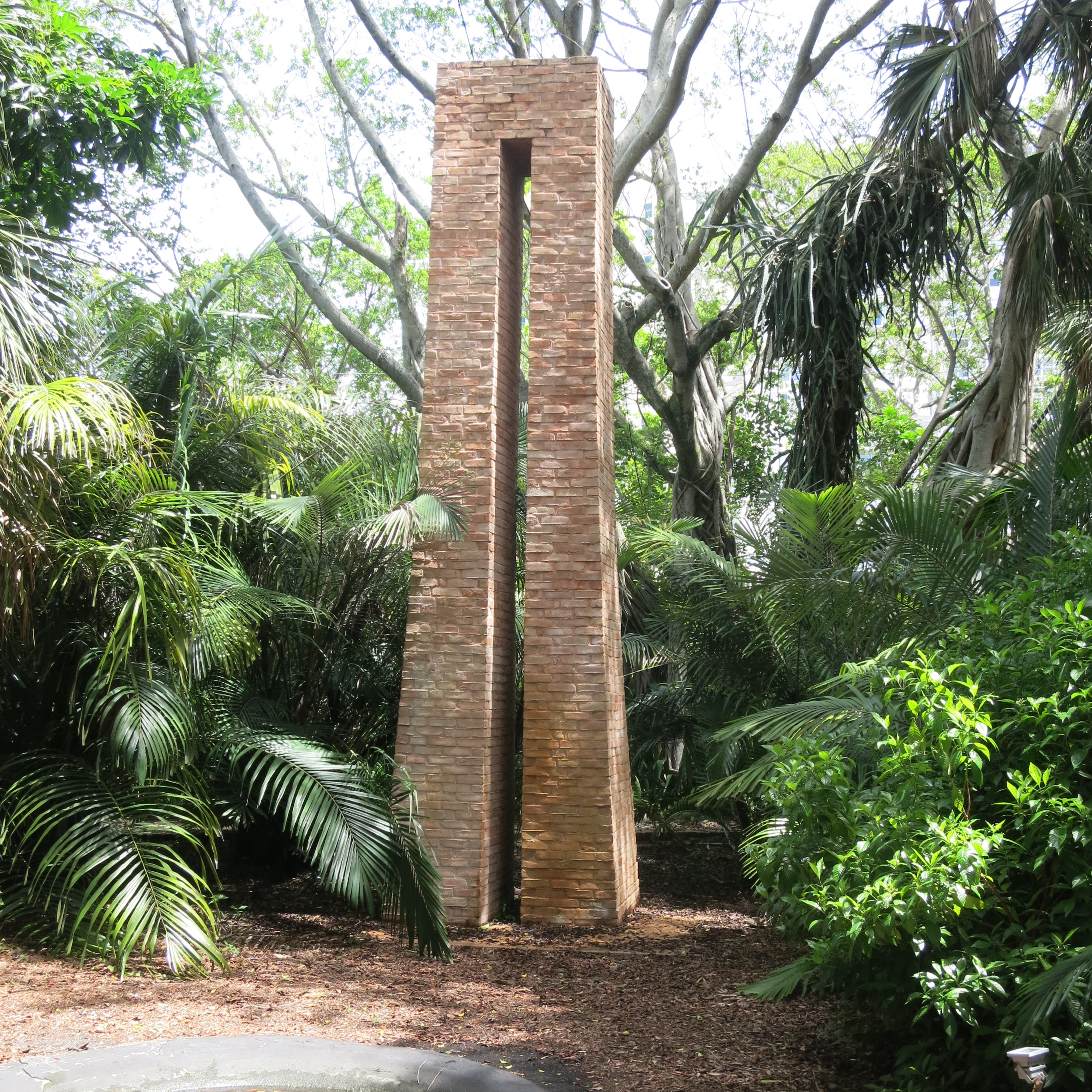
Jim taking a break

Ann Norton Sculpture Garden
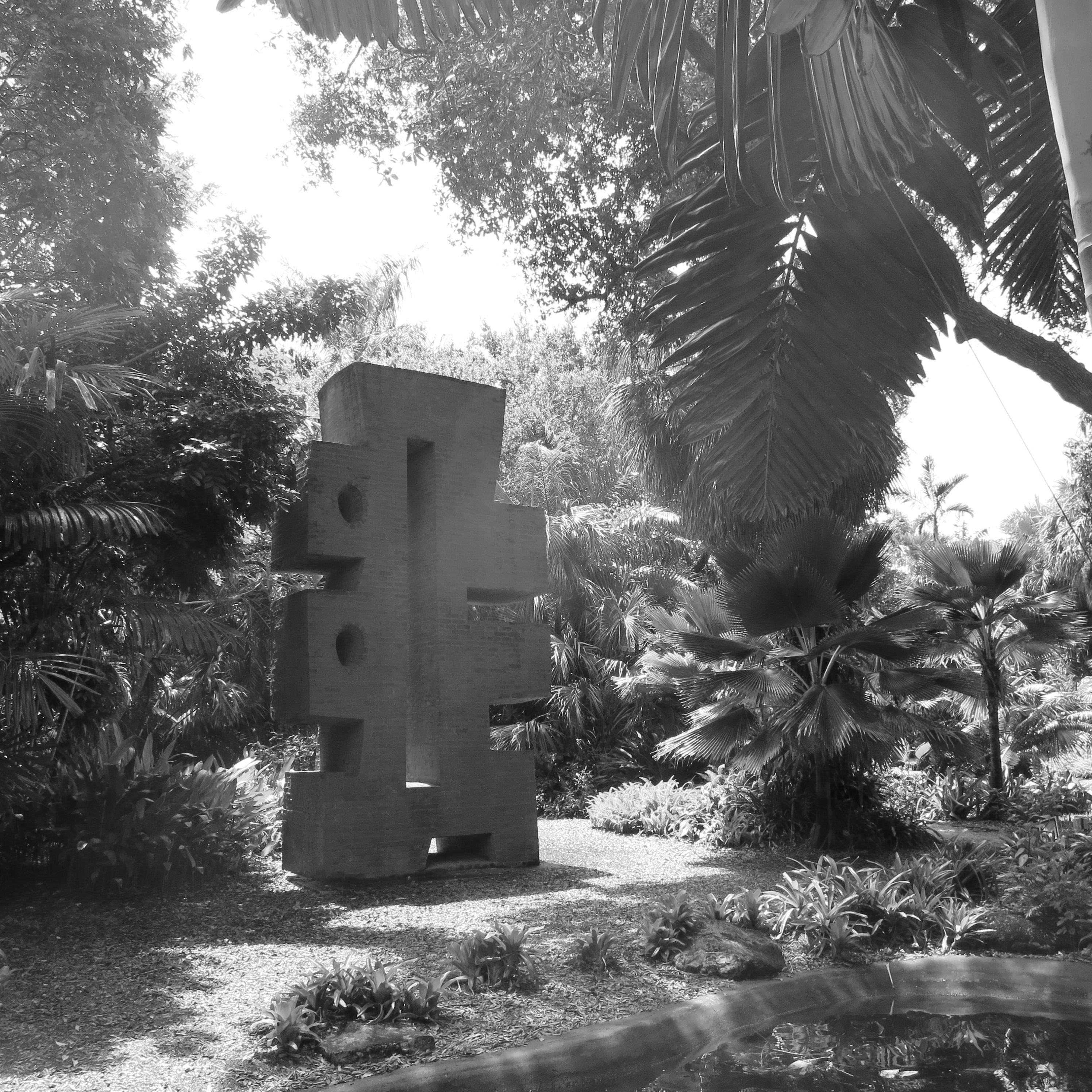
Ann Norton Sculpture Garden
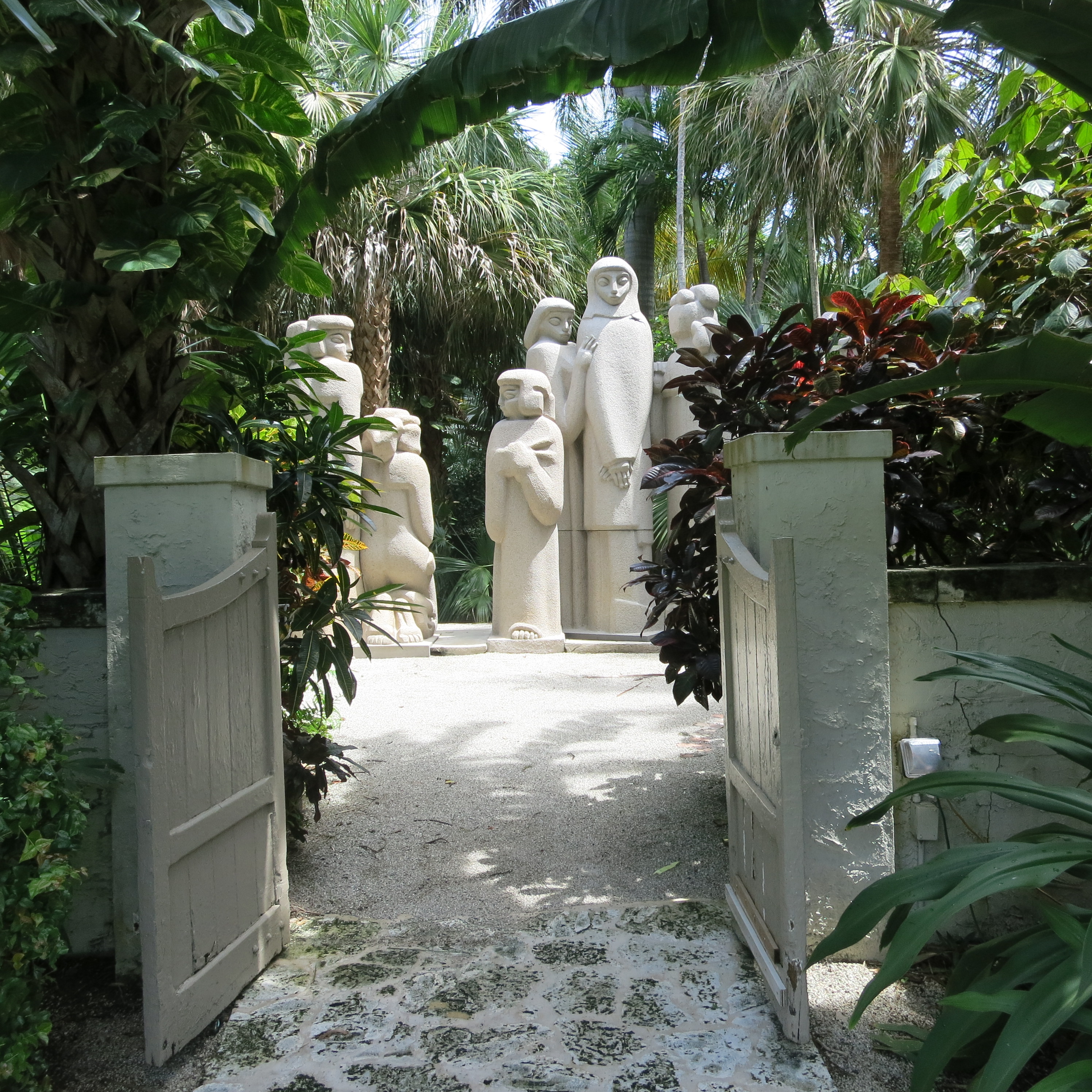
Ann Norton Sculpture Garden

Ann Norton Sculpture Garden

Ann Norton Sculpture Garden in West Palm Beach displays a variety of work by Ann Norton.
Ann Norton Sculpture Garden in West Palm Beach displays a variety of work by Ann Norton.

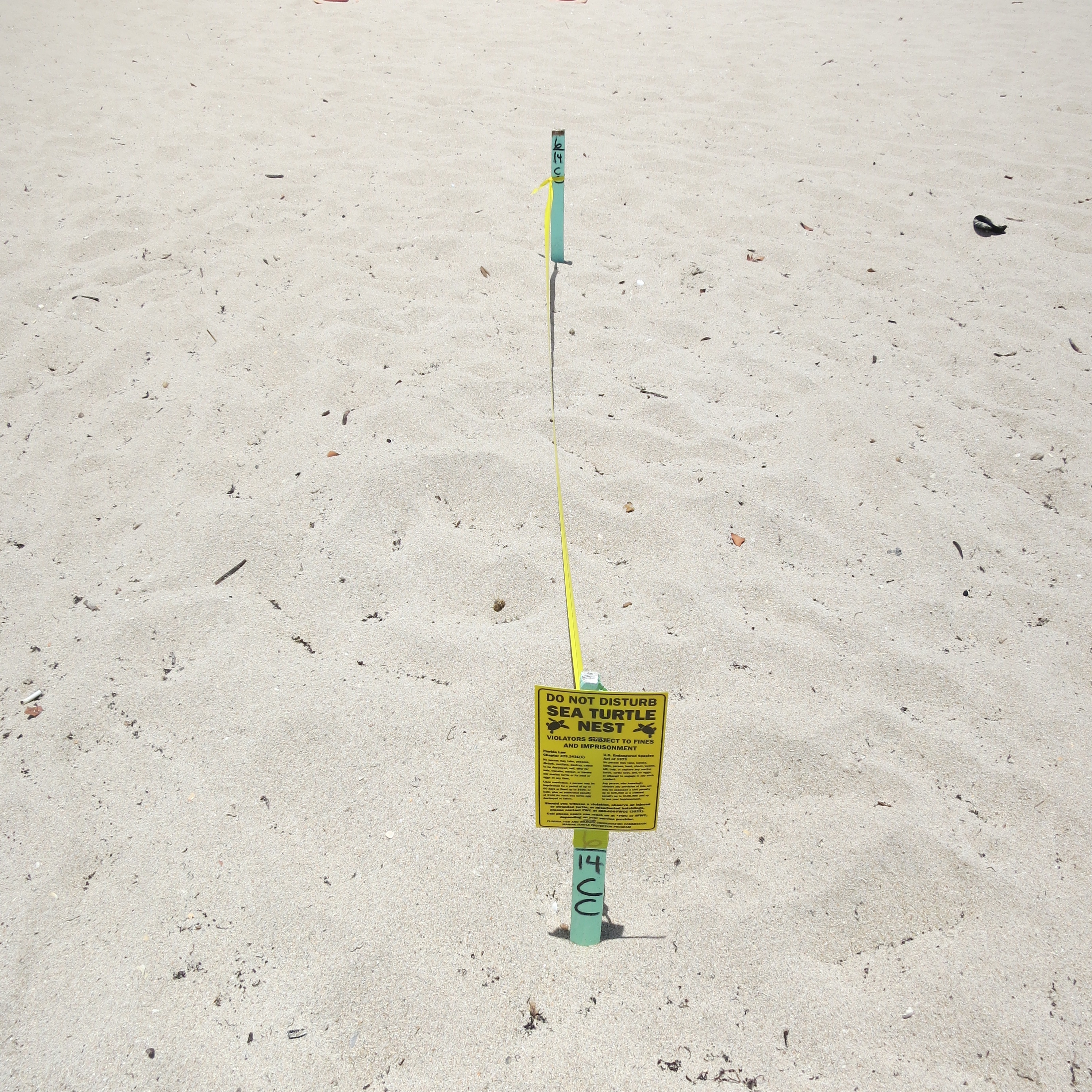
Five types of sea turtles nest on the Florida coast between May and October. Each nest is marked to keep people away from it.
Five types of sea turtles nest on the Florida coast between May and October. Each nest is marked to keep people away from it.

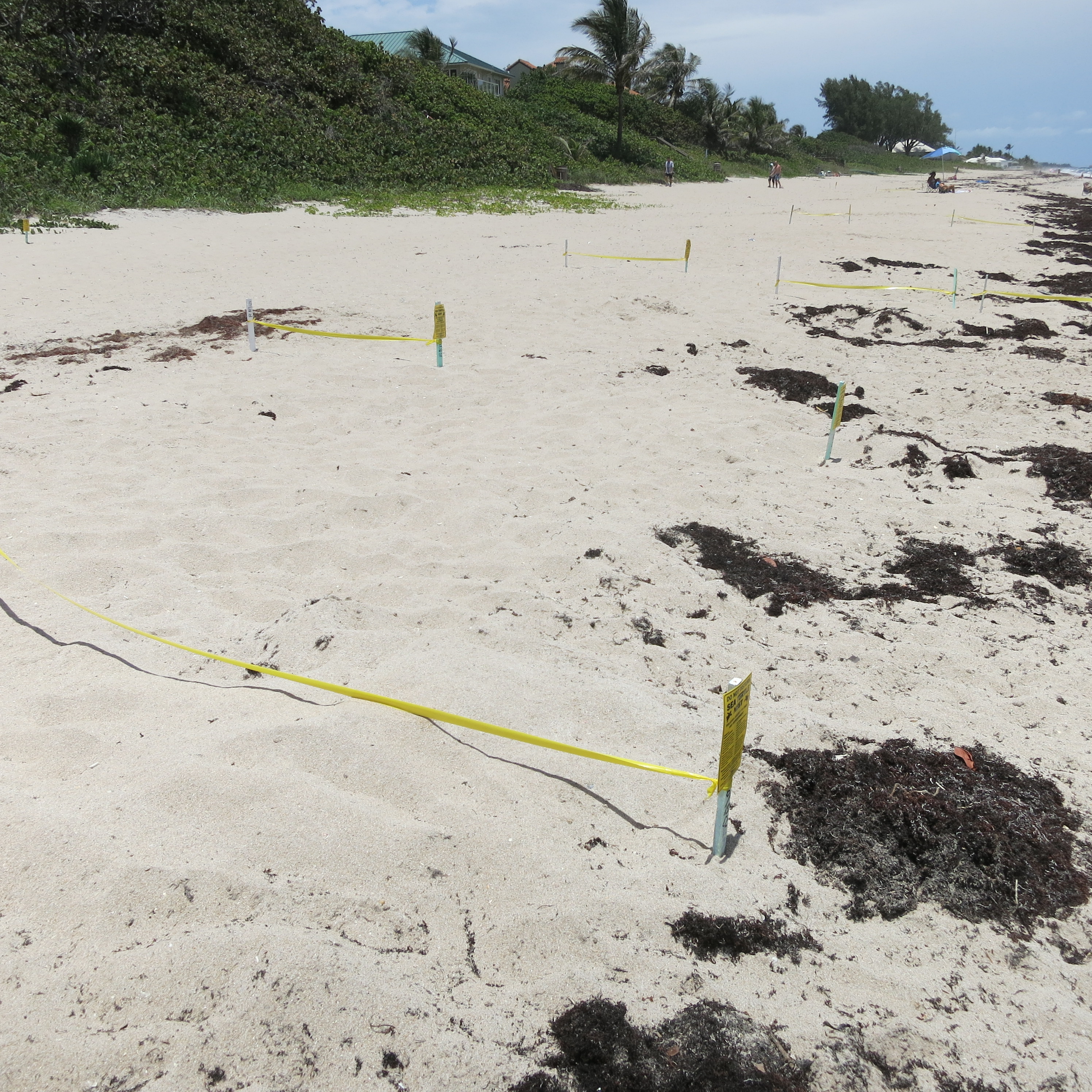
Our local beach has many turtle nests, all marked by a stake and tape.
Our local beach has many turtle nests, all marked by a stake and tape.

Banana spider

Banana spider

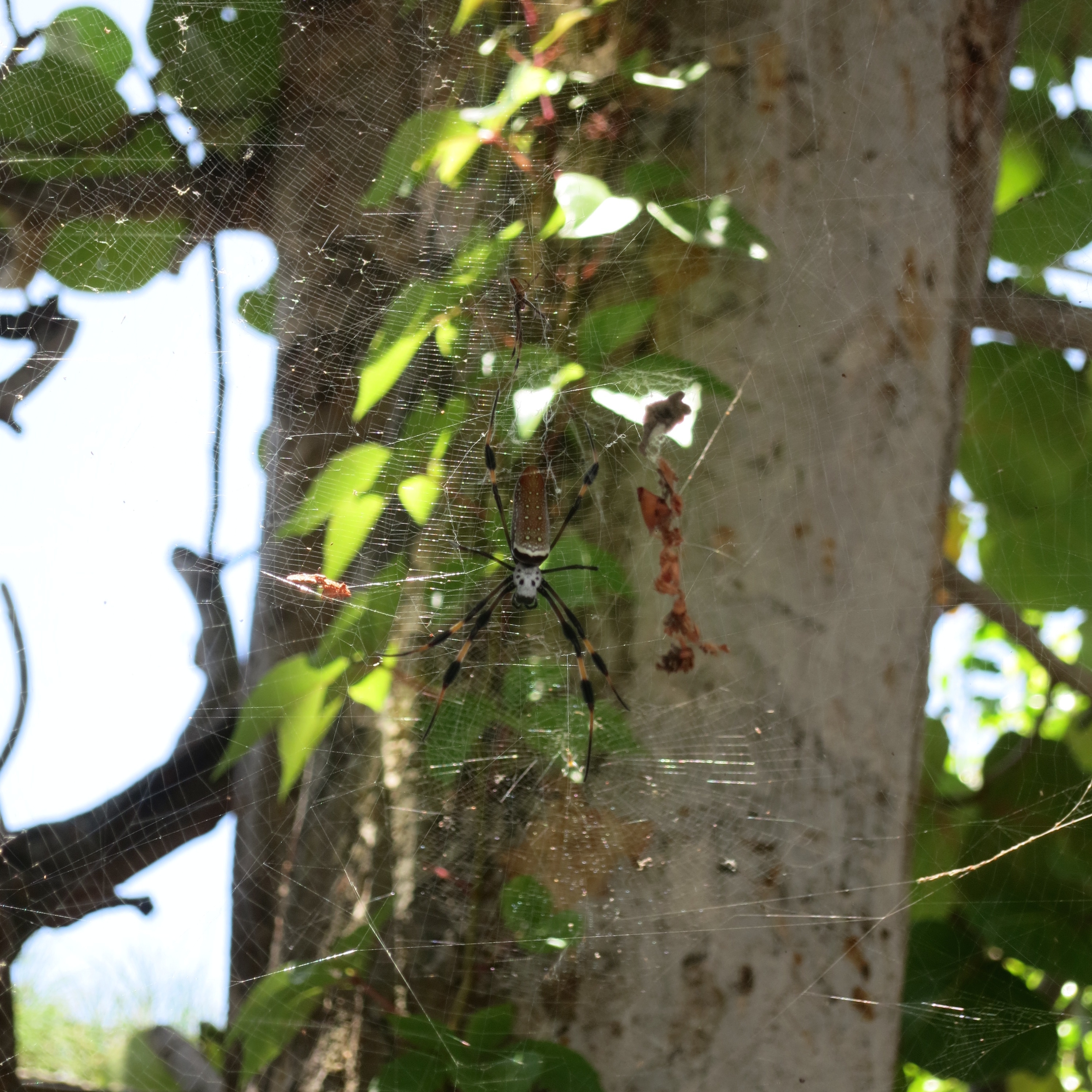
These are banana spiders, or golden silk orb-weavers. They are harmless and large (the big one here was 5 inches across including legs.) The webs have a yellow hue.
These are banana spiders, or golden silk orb-weavers. They are harmless and large (the big one here was 5 inches across including legs.) The webs have a yellow hue.
Florida

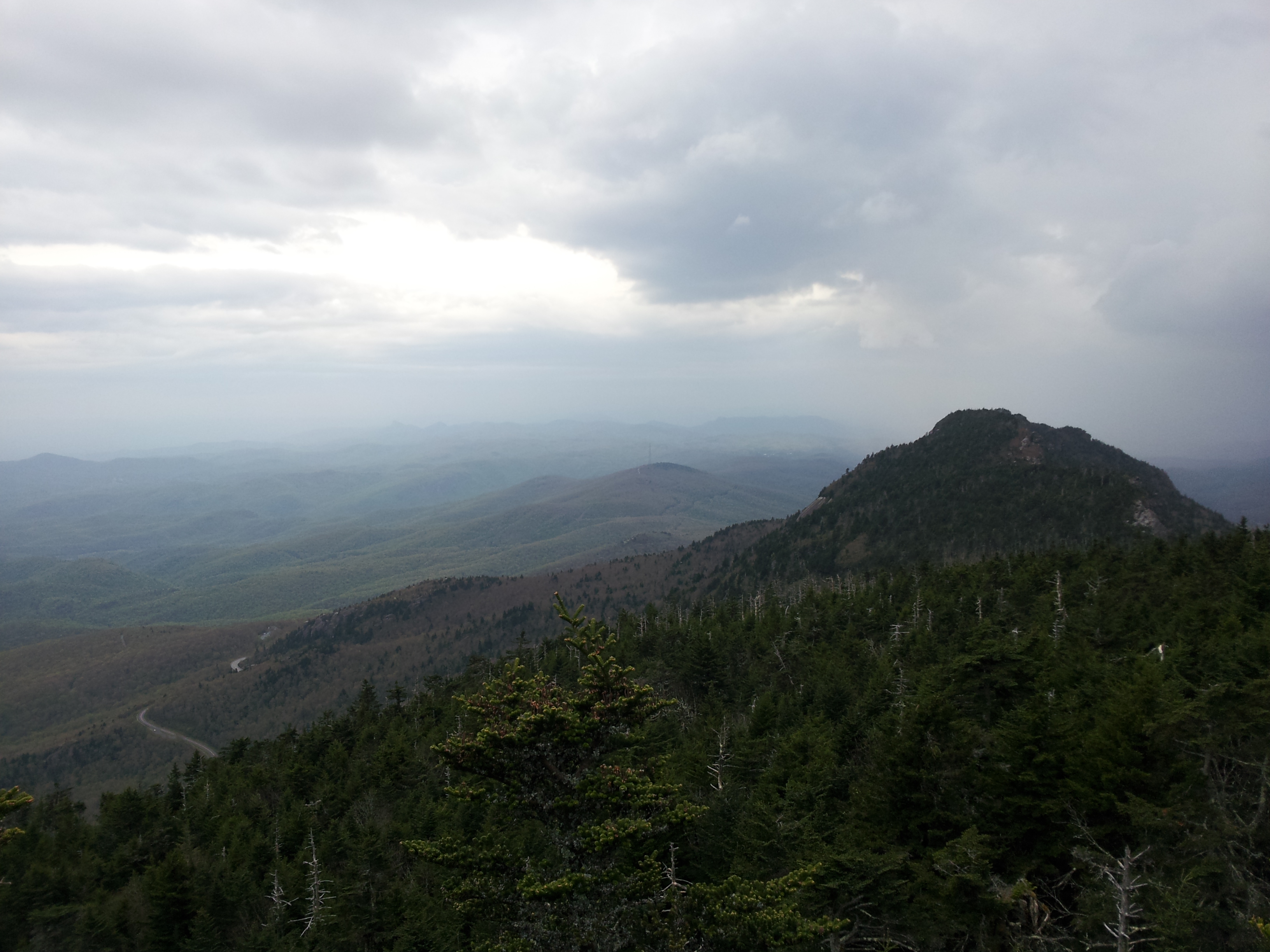
View from Calloway Peak in the Blue Ridge Mountains, the storm on the right caught up to us and rained on our hike back down

View from Calloway Peak in the Blue Ridge Mountains, the storm on the right caught up to us and rained on our hike back down

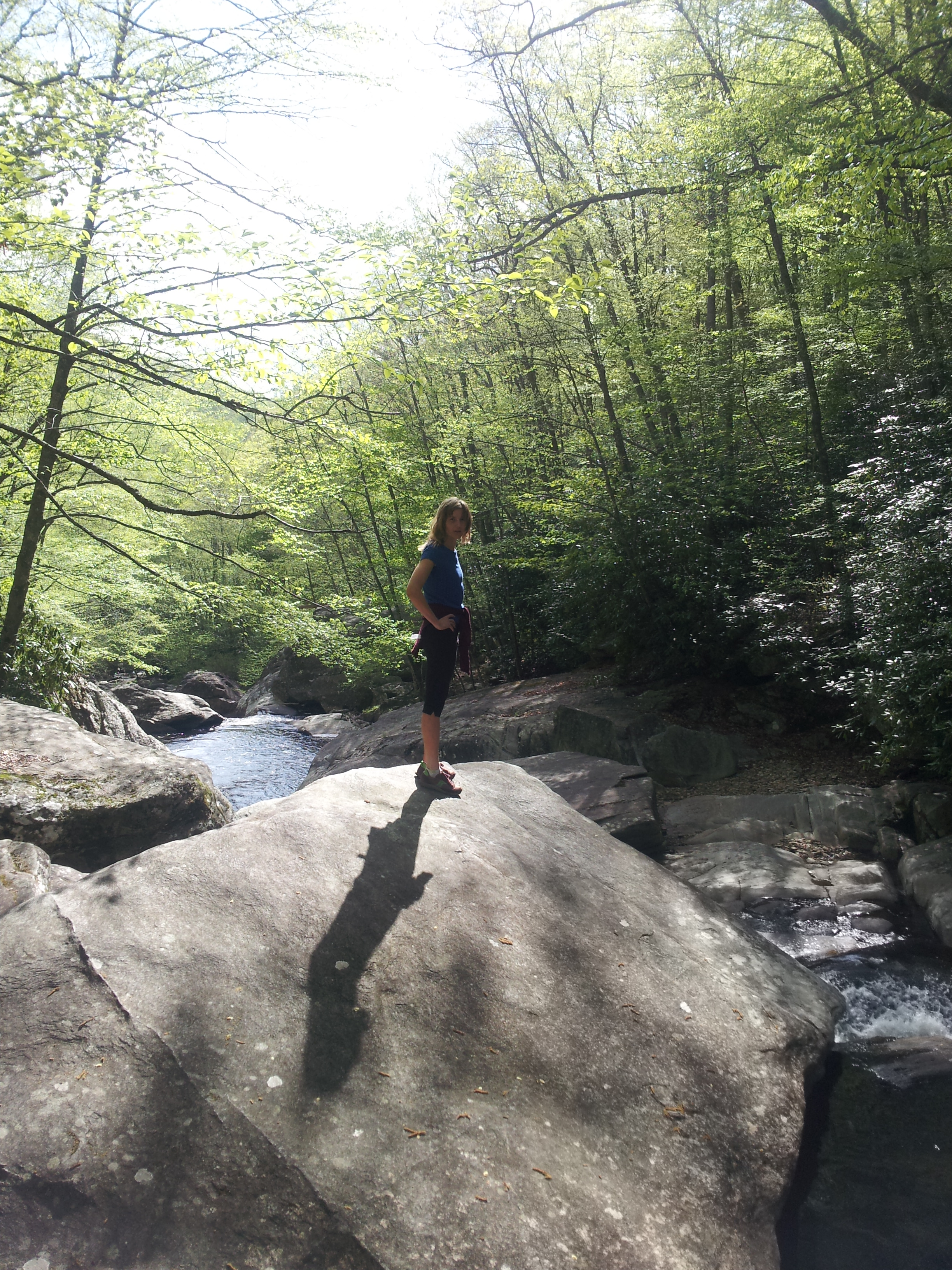
Karen on a boulder in the middle of a river, hiking with Megan in the Blue Ridge Mountains

Karen on a boulder in the middle of a river, hiking with Megan in the Blue Ridge Mountains

Boynton Beach, Florida is on our itinerary for two reasons: one, it is where Jim’s mom and stepdad live for the winter and two, Jim’s sister has a condo here that she graciously said we could stay in. After a few days of visiting with Jim’s family, Megan went up to Boone, NC for a long weekend to visit her friend Karen. They had a wonderful time hiking in the Blue Ridge Mountains, eating delicious food, and looking for the first of the blooming rhododendrons that blanket the hills. It was the first time since we left that Megan needed to wear long pants, socks, and a sweater—a delightful change for this girl who has gotten used to the heat. Meanwhile, back in Florida, Jim was joined by his sister Candy, her husband Bill, and his brother-in-law Dana. They all pitched in to close up his mom’s house and get the snowbirds and their dog packed up and on the way to Maine, where they will spend the summer.

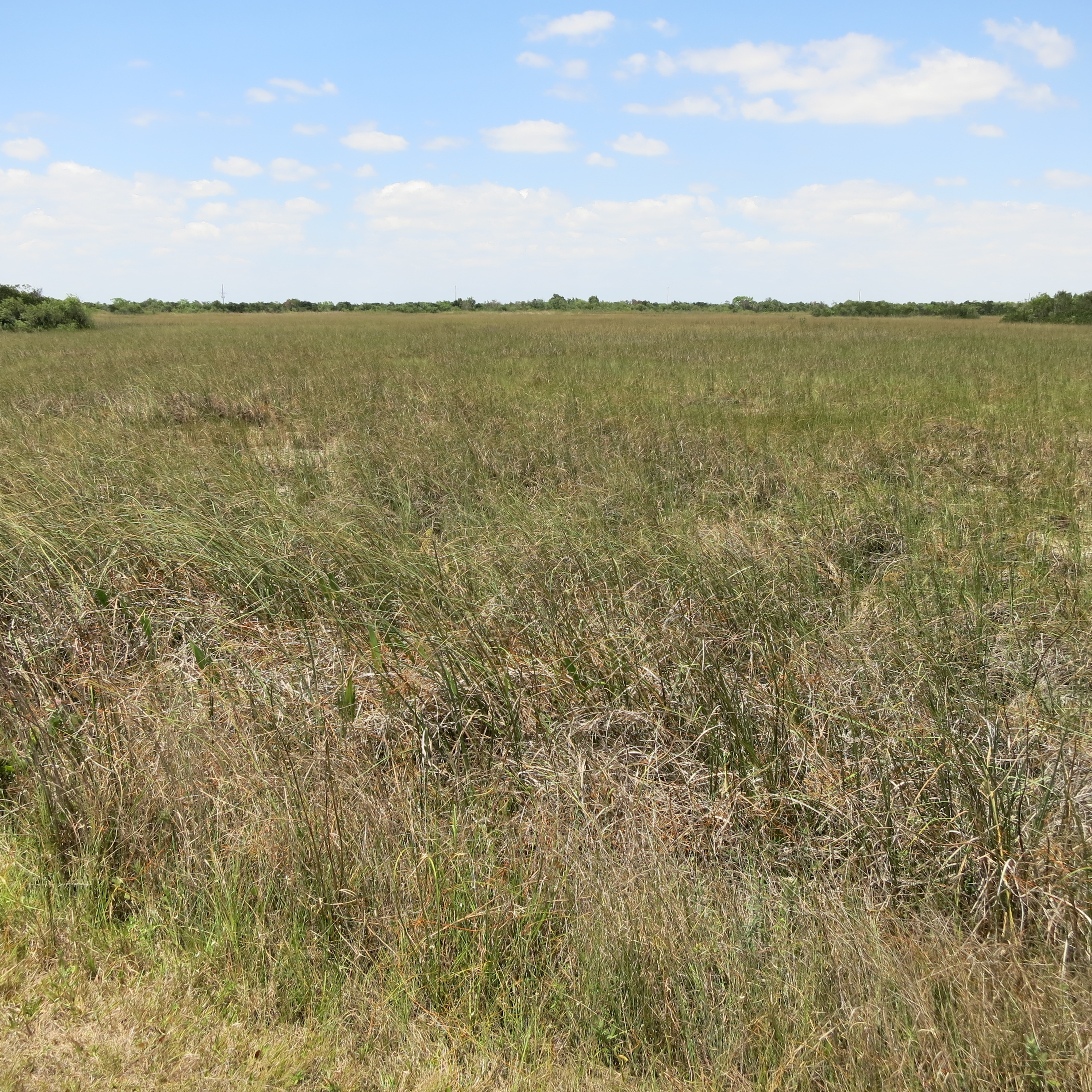
Sawgrass prairie in S. Florida

Sawgrass prairie in S. Florida

Like everywhere else we have been, Florida is interesting! Being back in the US, we have had less to get used to, but many things here are very different than Oregon. Before we get into our life and adventures here, a little background and history. Florida is flat—really, really flat. In the weeks we have been here with all our exploring, we have ranged from sea level to about 15 feet above sea level. Also Southern Florida is a vast wetland. Given the lack of grand topography, elevation changes can be measured in inches. The ecosystem is different on the “high ground” which is only a few inches above the mean elevation of a given area. The lowest areas have standing water year round. Lake Okeechobee (in the middle of the peninsula) is slowly draining downhill, to the south. Water in the lake starts at 15 feet above sea level and will take about a year to travel a little over 100 miles from Okeechobee, through the Everglades, and out to Florida Bay (which is the body of water between the mainland and the Florida Keys). The Everglades is essentially a 50-mile wide river that is just a few inches deep! Given all this wet flatness, almost all the land that people live on has been man made. By digging a ditch, piling up the dirt, and diverting the water flow humans have been creating drier land to live, travel, and play on. Florida’s flora and fauna are unique because this is one of the few places in the world that tropical species and temperate species live side by side. The warm wet environment means life is abundant. Ponds teem with fish, reptiles, insects, birds, and plants. Tree trunks and branches are home to hundreds of air plants. Thousands of migratory birds spend part of the year in Florida.
This is a typical east Florida beach with white sand stretching on farther than the eye can see.

This is a typical east Florida beach with white sand stretching on farther than the eye can see.

We have settled into a nice rhythm. Each morning, we begin the day by swimming in the condo association’s pool. We’ve found a fruit and vegetable stand that keeps us stocked for breakfast smoothies, green salads, and watermelon feeds. We’re about a mile from the beach and regularly enjoying walking on the endless soft white sand, swimming in the warm breaking waves, ogling the mansions and gardens built right off the beaches, and sharing it all with the families in the area. Several times we have tried to snorkel but it is always disappointing and difficult in the waves. We learned how quickly and heavily the rain can come here; one walk turned into a wet squish as our clothes became entirely soaked in the first 3 minutes of the downpour. The clouds are constantly amazing and beautiful: small cumulous form off the coast and seem to come scooting over the land just above our heads. This is a car culture with very limited public transport so we have rented a car in order to take advantage of all there is to see around: nature preserves, parks, a Japanese garden, beaches, lakes, museums, etc.

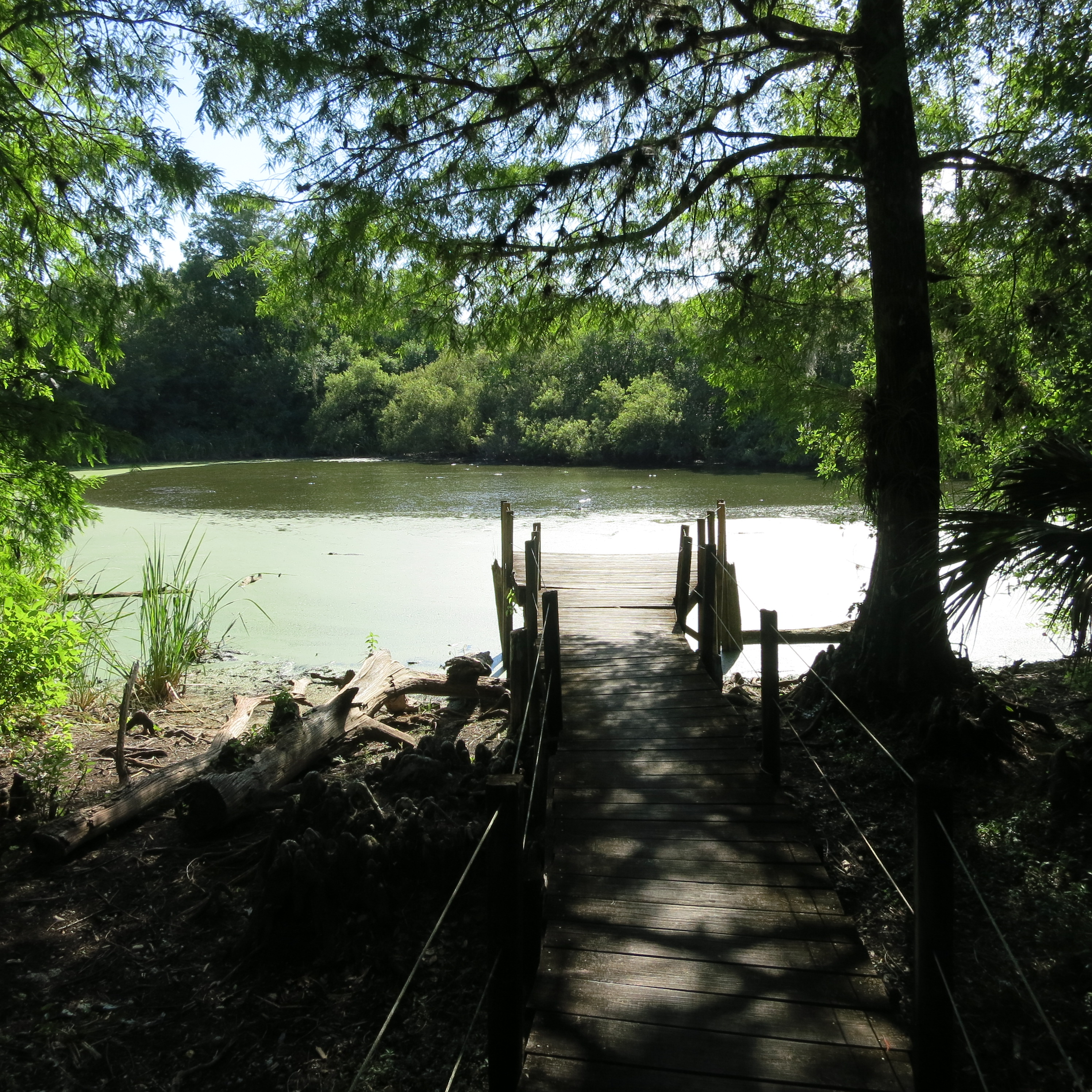
The approach to a sinkhole in Fakahatchee Strand filled with alligators

The approach to a sinkhole in Fakahatchee Strand filled with alligators

We took a road trip through southern Florida, beginning by crossing what is called Alligator Alley to the west coast and dropping south to Everglades City. Our host recommended a hike in a local swamp: Fakahatchee Strand Nature Preserve. We drove on a dirt road seven miles to get to the trail head and didn’t see any other people out hiking. The Fakahatchee is known for being full of epiphytes, bromeliads, orchids, and royal palms. We hiked along an old raised path built for when they logged the old growth cypress out of the swamp. It was pretty fantastic to be in the swamps like this but the mosquitos were so plentiful we didn’t stop to take any pictures of the amazing plants and trees all around. We saw one water snake (not poisonous) and an alligator; actually, we smelled the alligator before we saw him on the side of the trail and nicknamed him “Ole Stinker.” A couple miles in we came to an old cabin by a sinkhole. Sinkholes occur in the limestone and can be almost 100 feet deep, even though this one was probably more like 10 feet deep. Right now the dry season is coming to an end, which means the swamp is drier than usual (I can’t imagine it with more mosquitos though!) which means that animals congregate to known water sources, like sinkholes. As we stepped out onto this little dock, it quickly became clear that the sinkhole was filled with alligators. Fortunately our dock was up off the water, so we felt safe, and in the hot afternoon sun, so the mosquitos left us alone. We stayed for close to an hour watching about 50 alligators swim around the pond. They were very active, swimming, splashing, feeding, posturing to each other. You can see a short video we took here and many photos under the  “Pictures” tab at the top of the page.

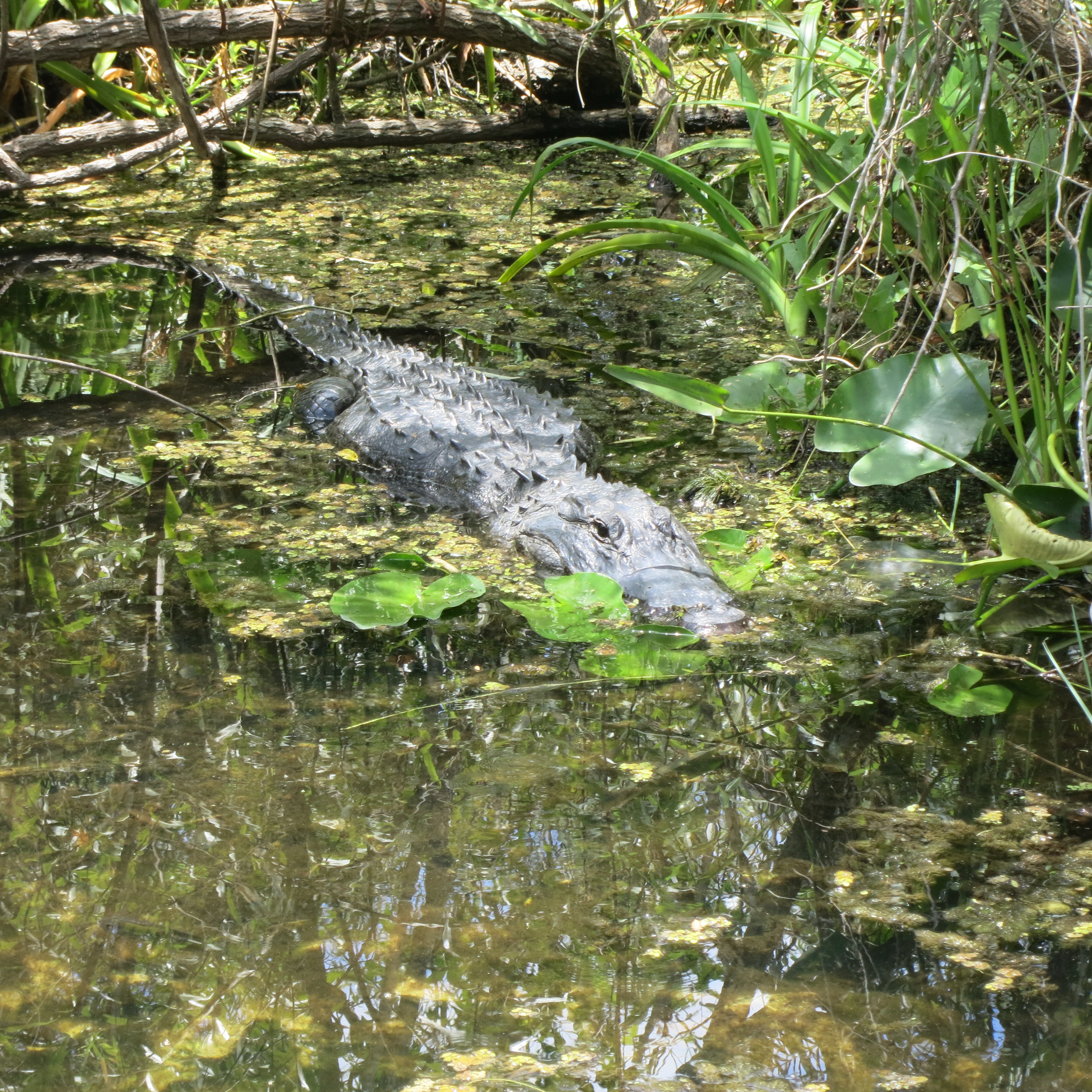
In Everglades National Park, the alligators can be found right on the edge of the trail

In Everglades National Park, the alligators can be found right on the edge of the trail

The next day we went into Everglades National Park. In a shorter hike there, we were overwhelmed with the quantity of life. The place was teeming with fish, alligators, turtles, birds, algae, plants, and tourists. The animals there are used to people so we were able to get quite close, not by trying, but because these critters live right on the side of the path.

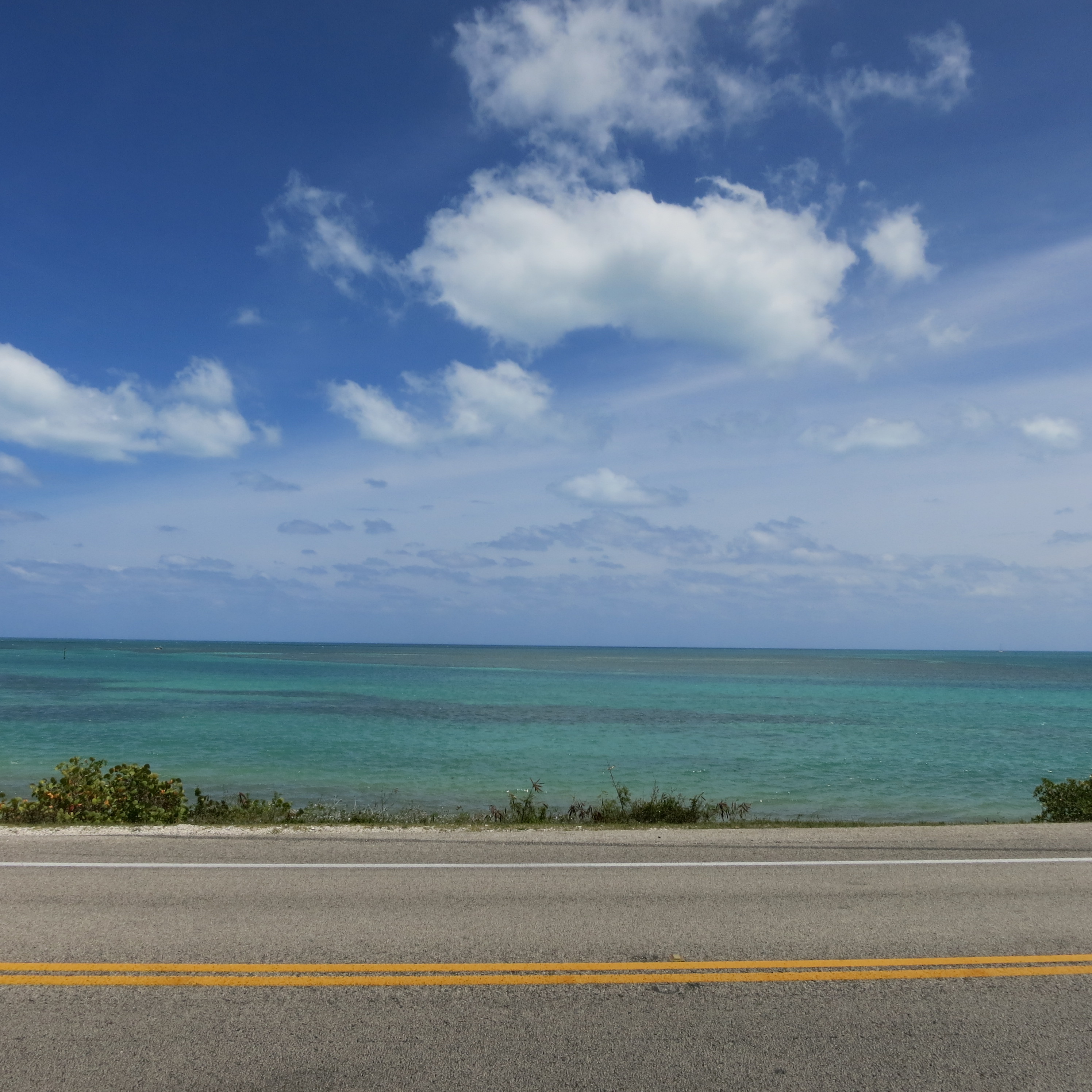
Driving down the Florida Keys

Driving down the Florida Keys

After that, we headed south into the Florida Keys. The Keys are a chain of islands stretching over 120 miles south and west from Miami. In many places, the islands are about a block wide and in other places bridges span up to seven miles between islands. We did our duty by sampling multiple version of key lime pie. We spent a night in Key Largo and another in Key West. We went snorkeling at the fantastic John Pennekamp State Park, where we got close to many large barracuda, a stingray, and an endangered green turtle, large parrotfish, coral heads and many  more colorful fish.  To get there we took a boat five miles off shore yet our snorkel site was between two and eight feet deep and pretty well beaten by waves breaking on the reef.

As far south as you can get in the contiguous US. We didn't want to wait in line to take our picture like the couple in the background, so we got in on theirs instead.

As far south as you can get in the contiguous US. We didn’t want to wait in line to take our picture like the couple in the background, so we got in on theirs instead.

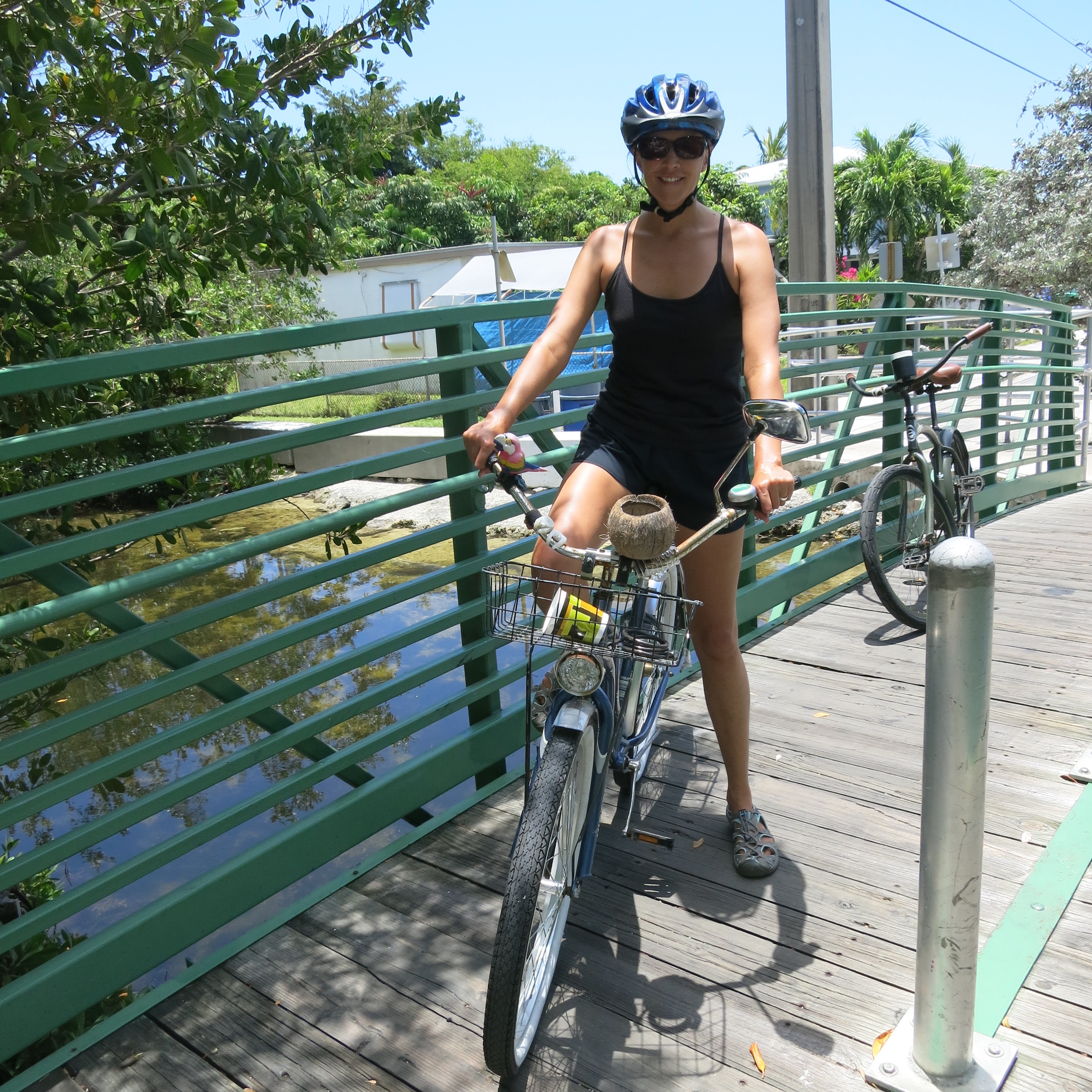
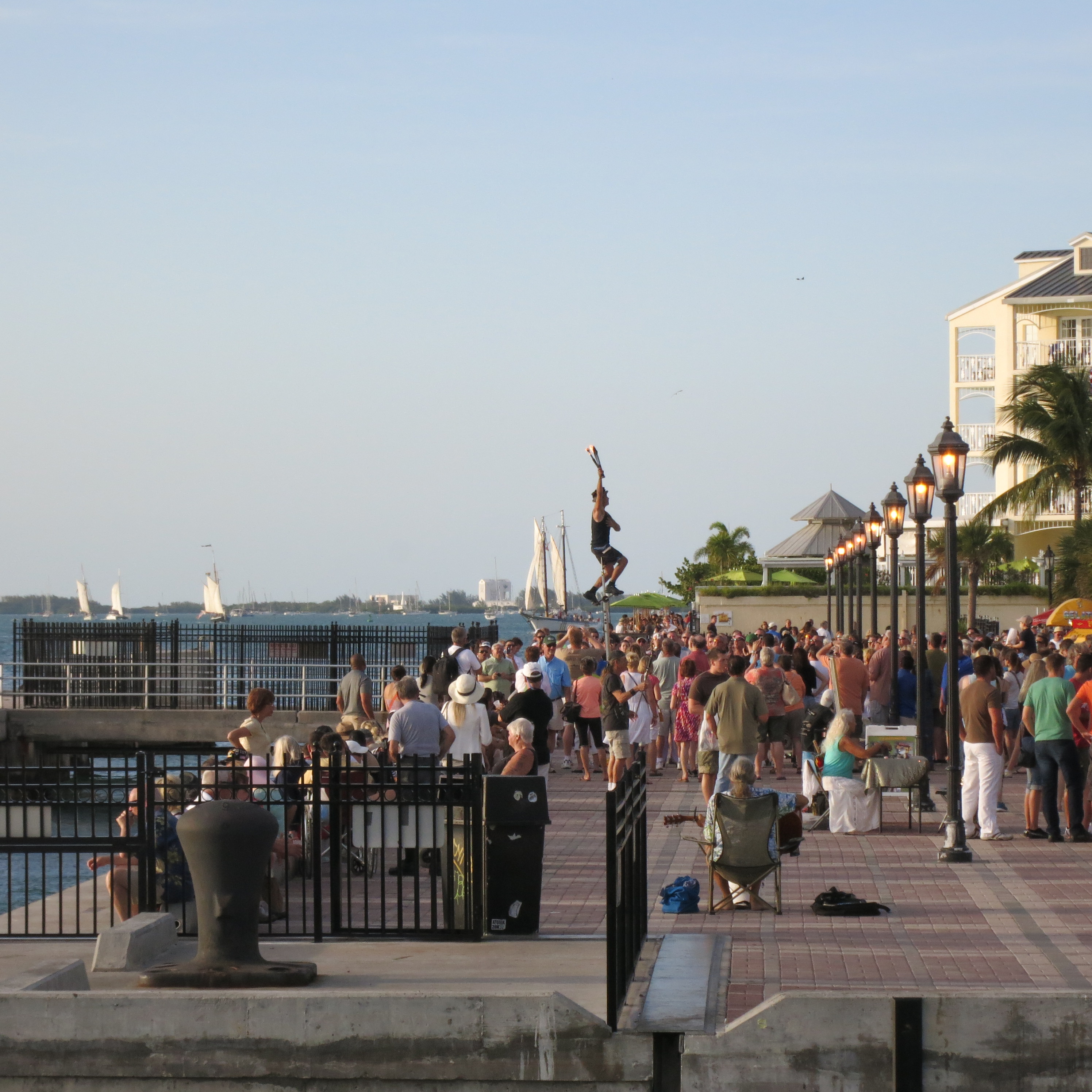
In Key West, we enjoyed the people watching, the art galleries, the old architecture, the infamous daily sunset celebration in Mallory Square, and the good food. It was a riot to watch the crowd gathering for the sunset; many buskers performed for tips while boats sailed back and forth in the channel behind them. Our host let us borrow beach cruisers and we joined the throngs of slow cyclists criss-crossing town. We toured the Audubon House and southernmost point of the contiguous US, where we were closer to Havana than Miami!

Riding beach cruisers in Key West. Check out the coconut cup holder, bell, and horn on the handlebars!

Riding beach cruisers in Key West. Check out the coconut cup holder, bell, and horn on the handlebars!

The Audubon House is a museum that once was the home of a wealthy Key West family who earned their fortune salvaging wrecked boats off the keys. Mr. Audubon himself once used part of a limb from a tree on the yard as a model for a drawing.The house contained a superb collection of first edition Audubons, artist proofs, and period furniture. Panels explained the history of Key West told through the story of one family; they lived in the house for four generations. The grounds were compact, peaceful, shady and had a nice garden of tropical plants.

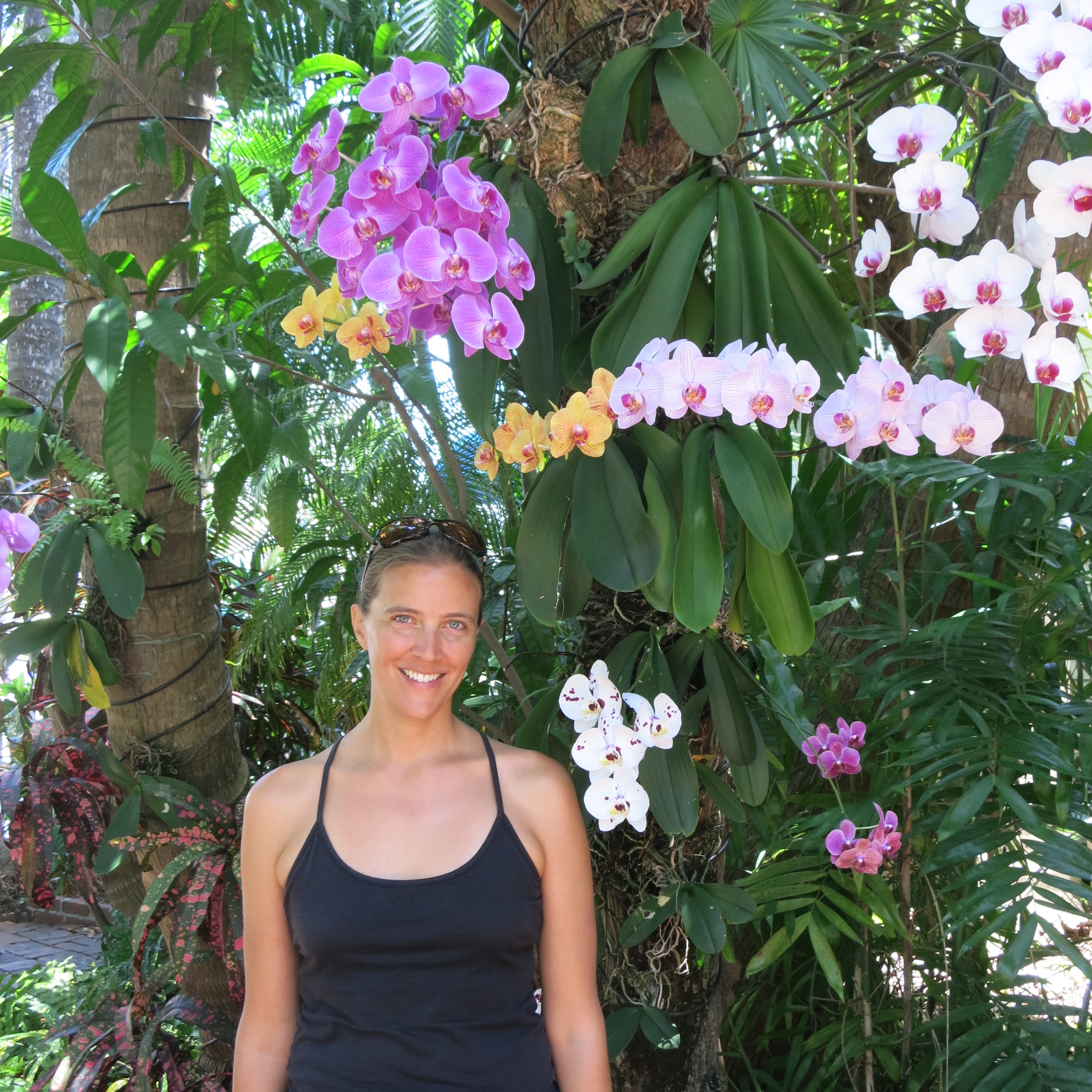
Can you identify which one of these is the non-native invasive species? (Hint: it isn't an orchid)

Can you identify which one of these is the non-native invasive species? (Hint: it isn’t an orchid)

Sunset celebration at Mallory Square in Key West. Note the fire juggler on tall unicycle.

Sunset celebration at Mallory Square in Key West. Note the fire juggler on tall unicycle.

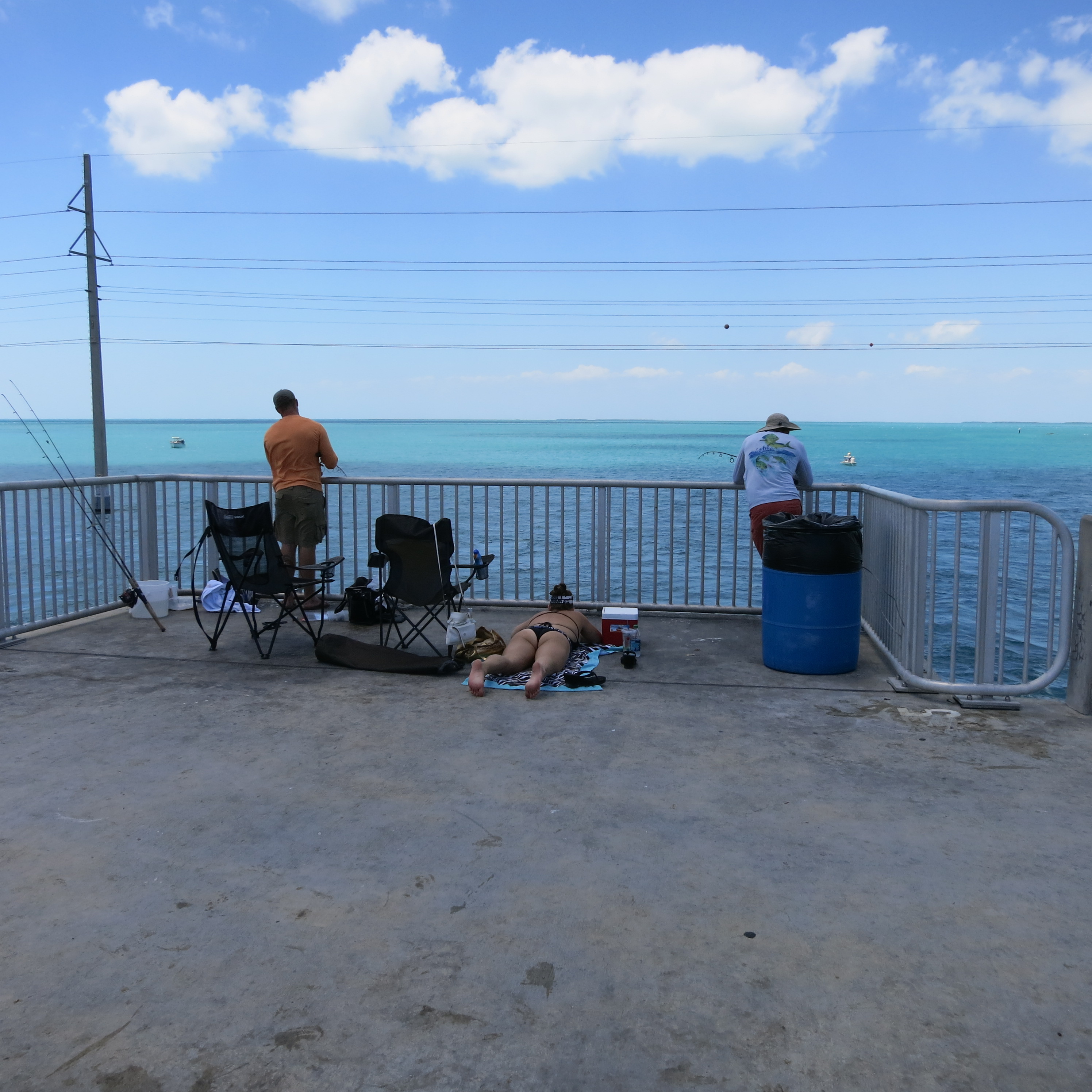
Two bridge fisherman in the Keys with a "keeper"

Two bridge fisherman in the Keys with a “keeper”

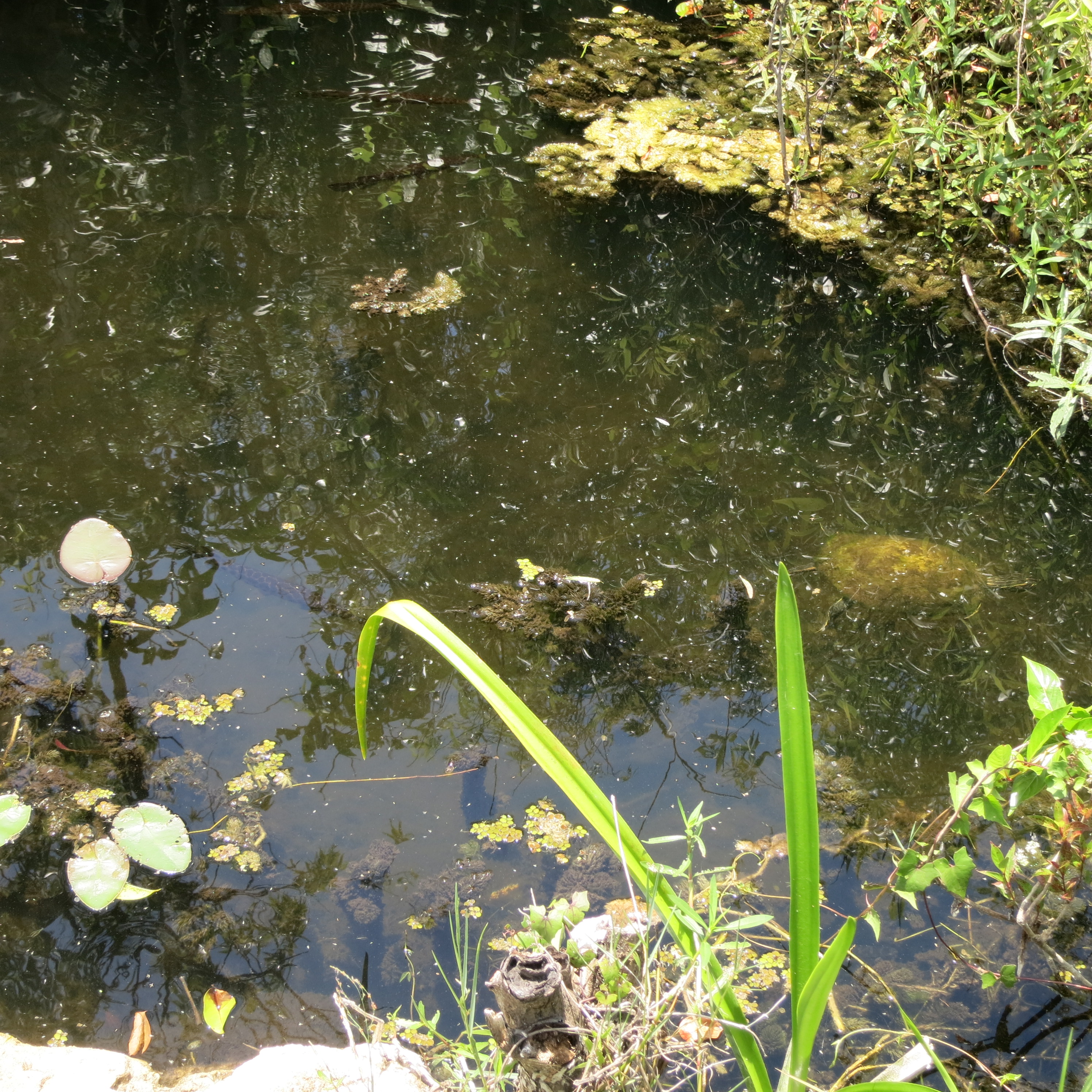
Can you spot the gar fish?

Can you spot the gar fish?

Can you spot the turtle?

Can you spot the turtle?

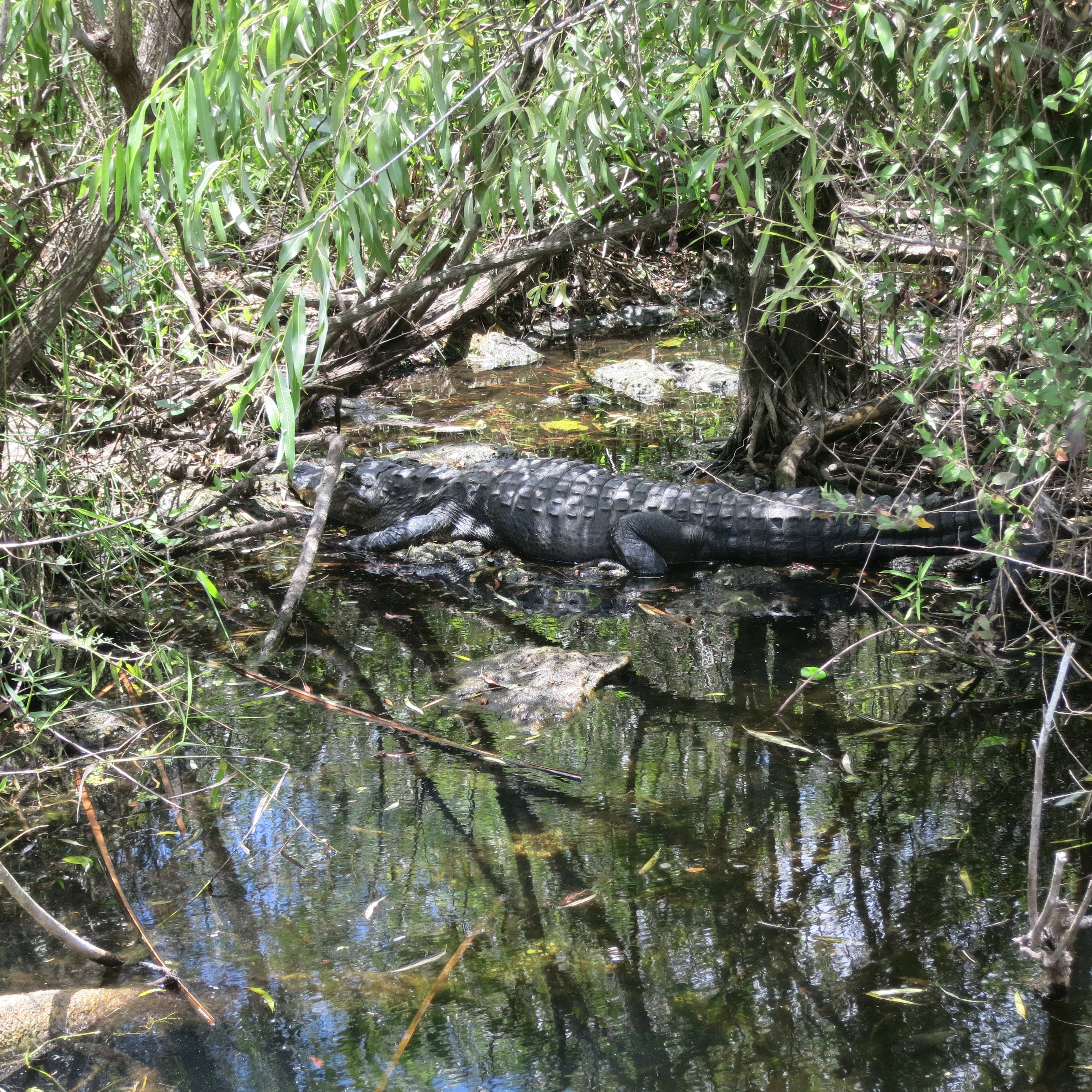
Can you spot the resting alligator?

Can you spot the resting alligator?

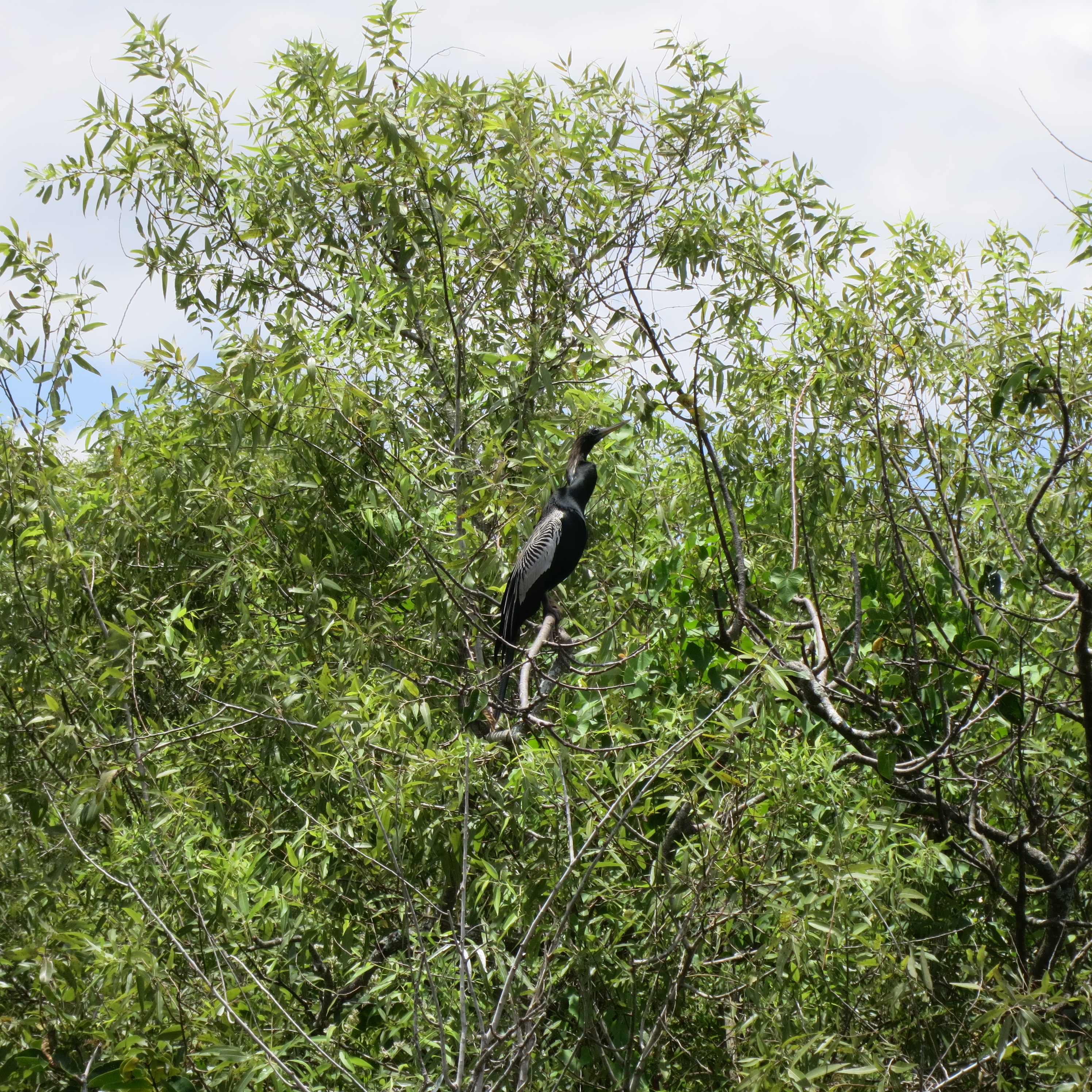
Can you spot the bird?

Can you spot the bird?

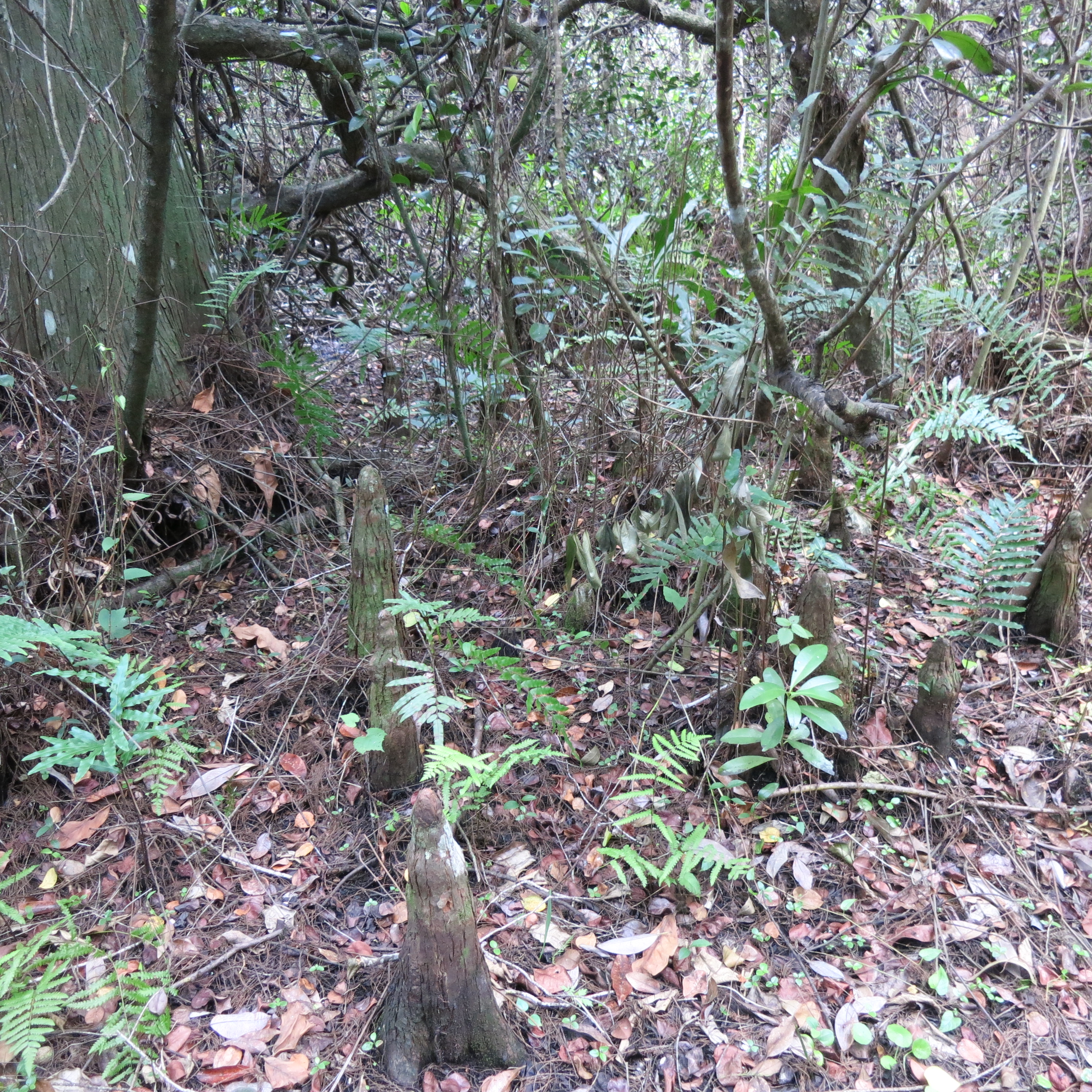
Can you spot the cypress knees? Cypress trees put up these odd growths; it is assumed they help stabilize the tree in the event of strong winds and soaked earth.

Can you spot the cypress knees? Cypress trees put up these odd growths; it is assumed they help stabilize the tree in the event of strong winds and soaked earth.

Can you spot the tree under the 1000 epiphytes growing on it?

Can you spot the tree under the 1000 epiphytes growing on it?

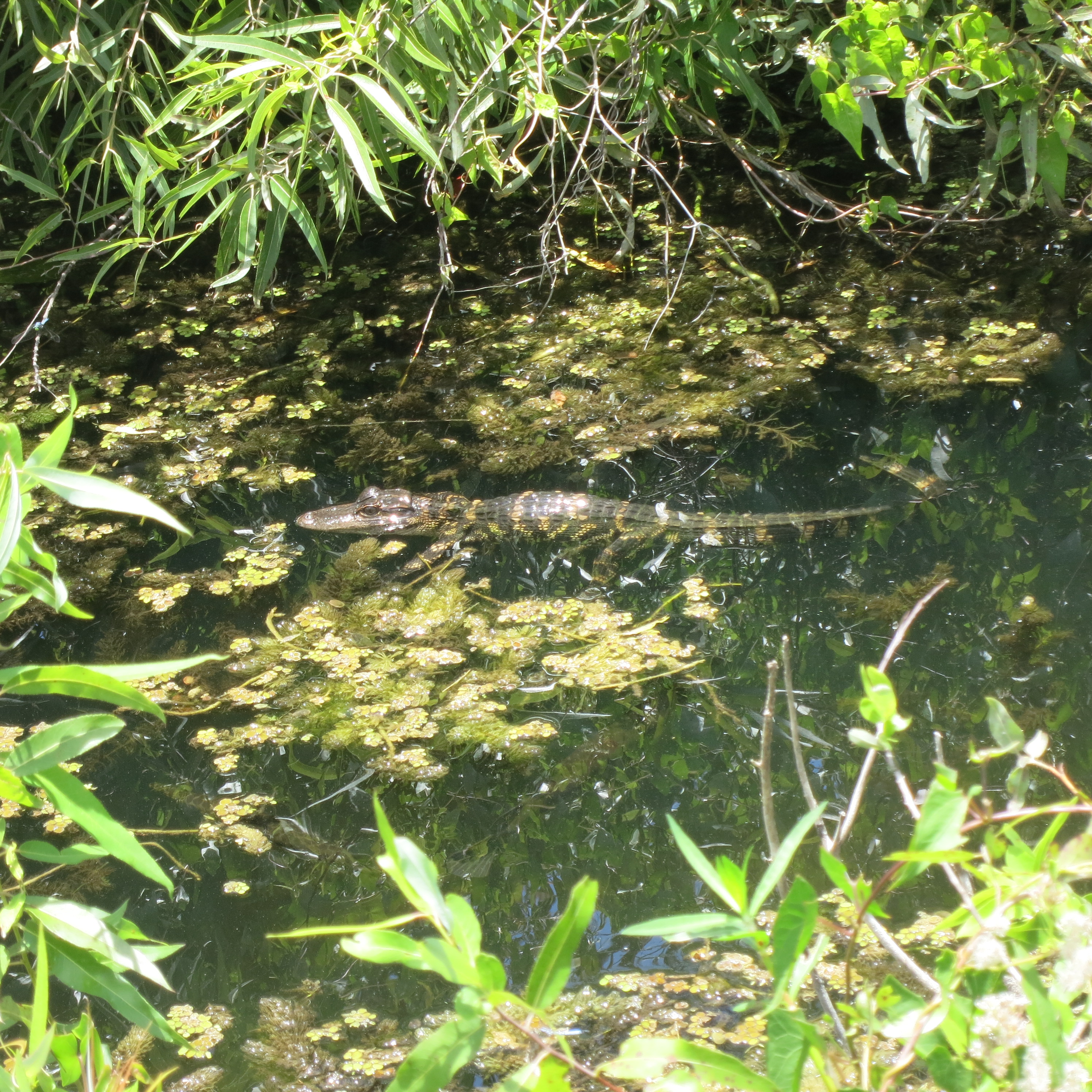
Can you spot the baby alligator?

Can you spot the baby alligator?

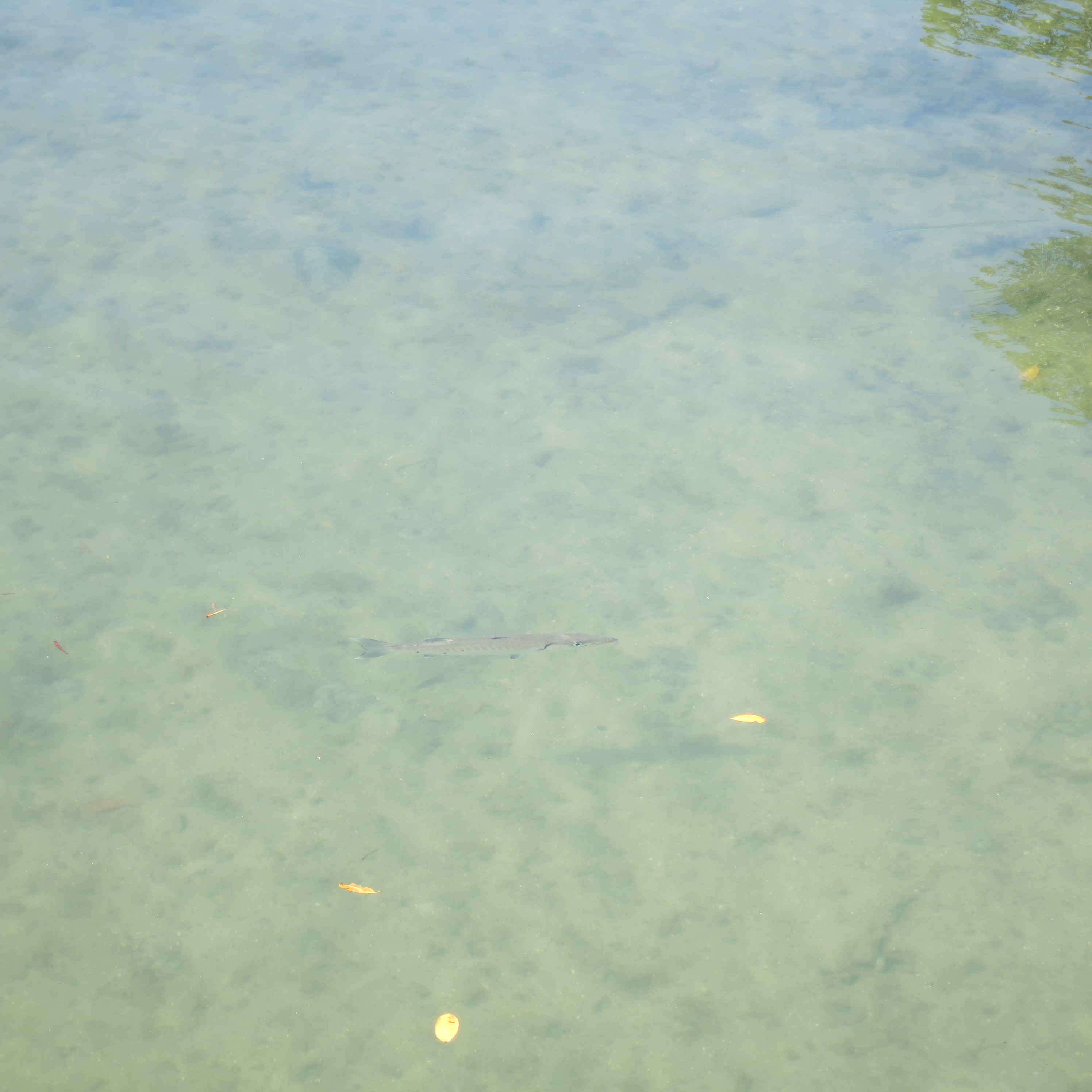
Can you spot the barracuda?

Can you spot the barracuda?

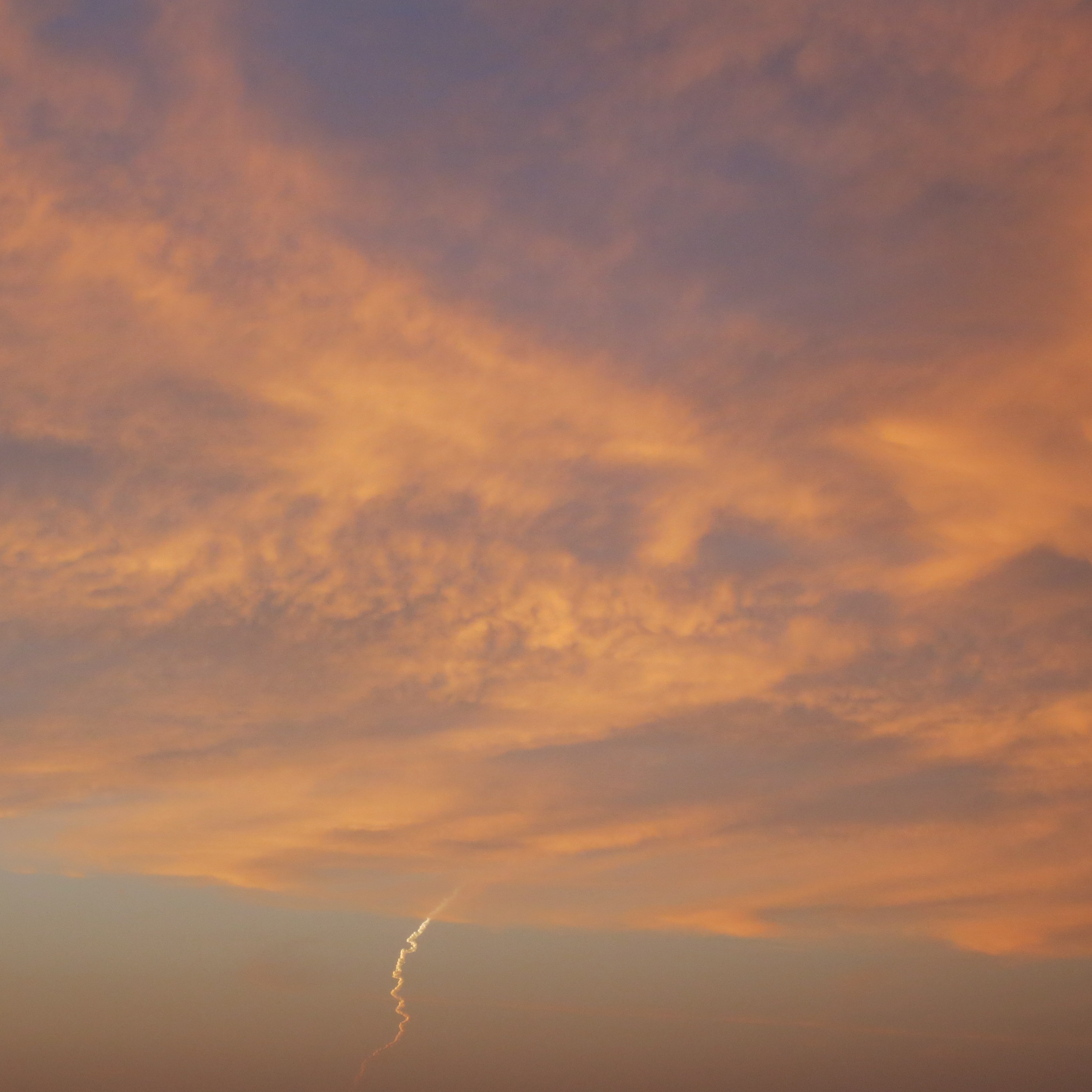
Can you spot the chemtrail in the sunset?

Can you spot the chemtrail in the sunset?

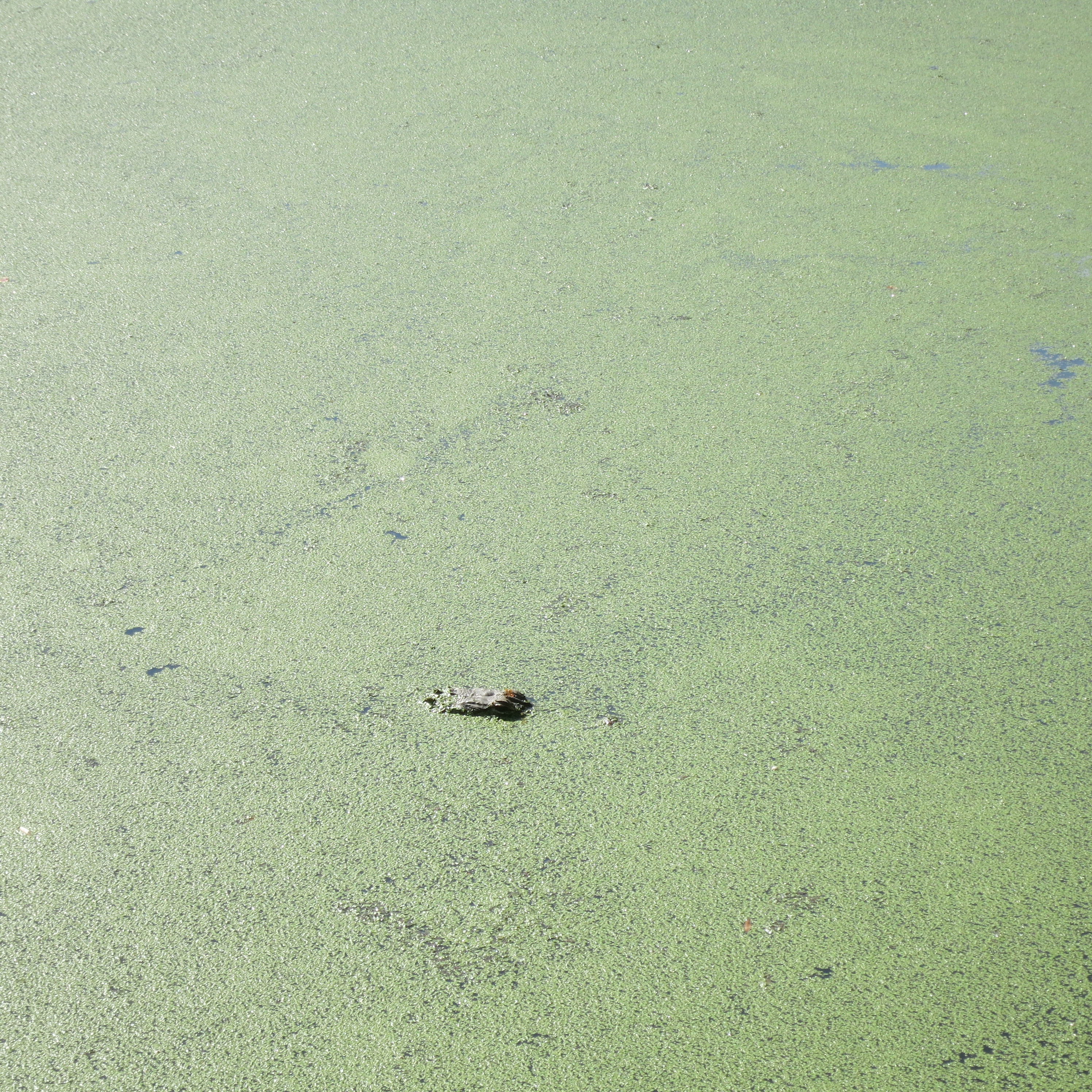
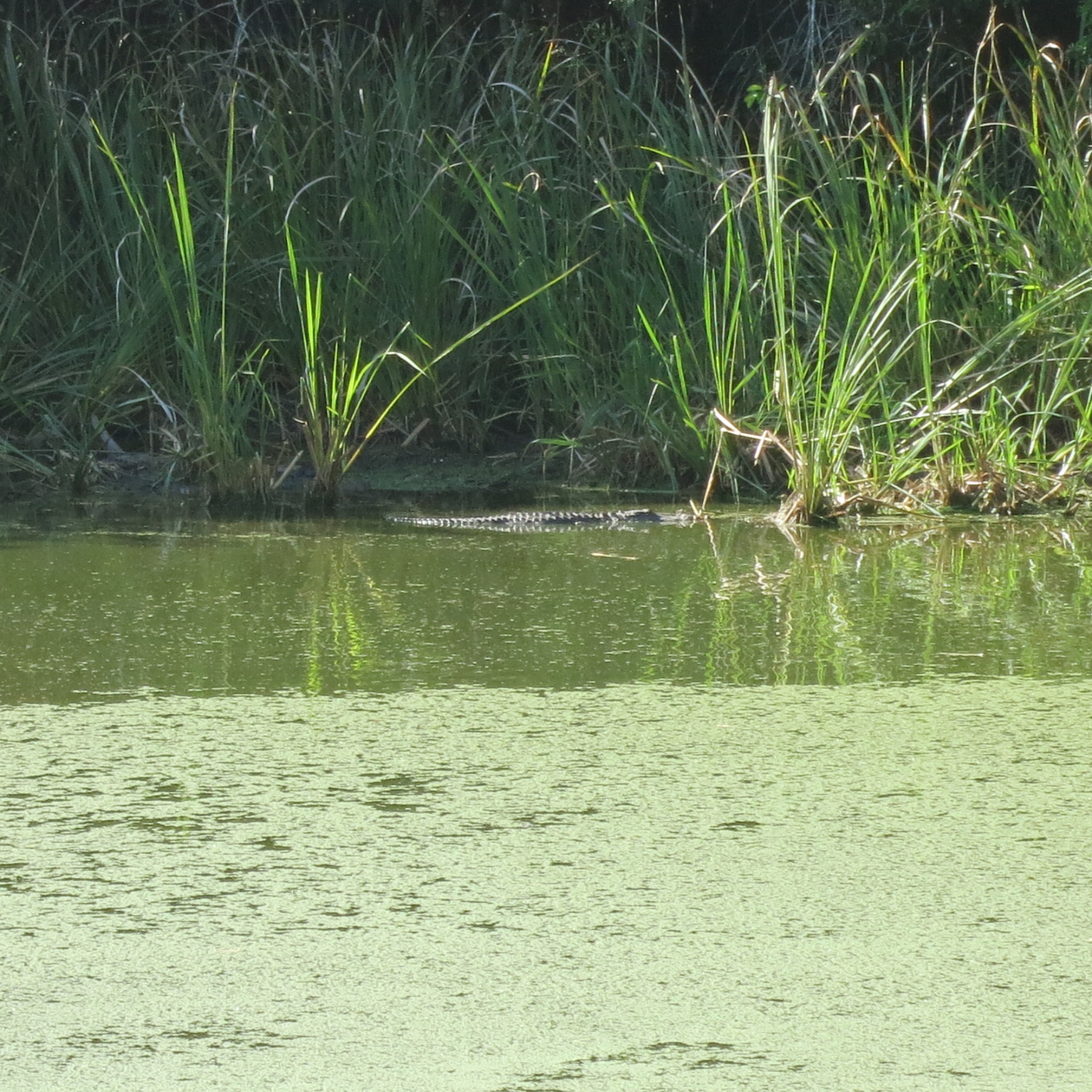
Can you spot the alligator?

Can you spot the alligator?

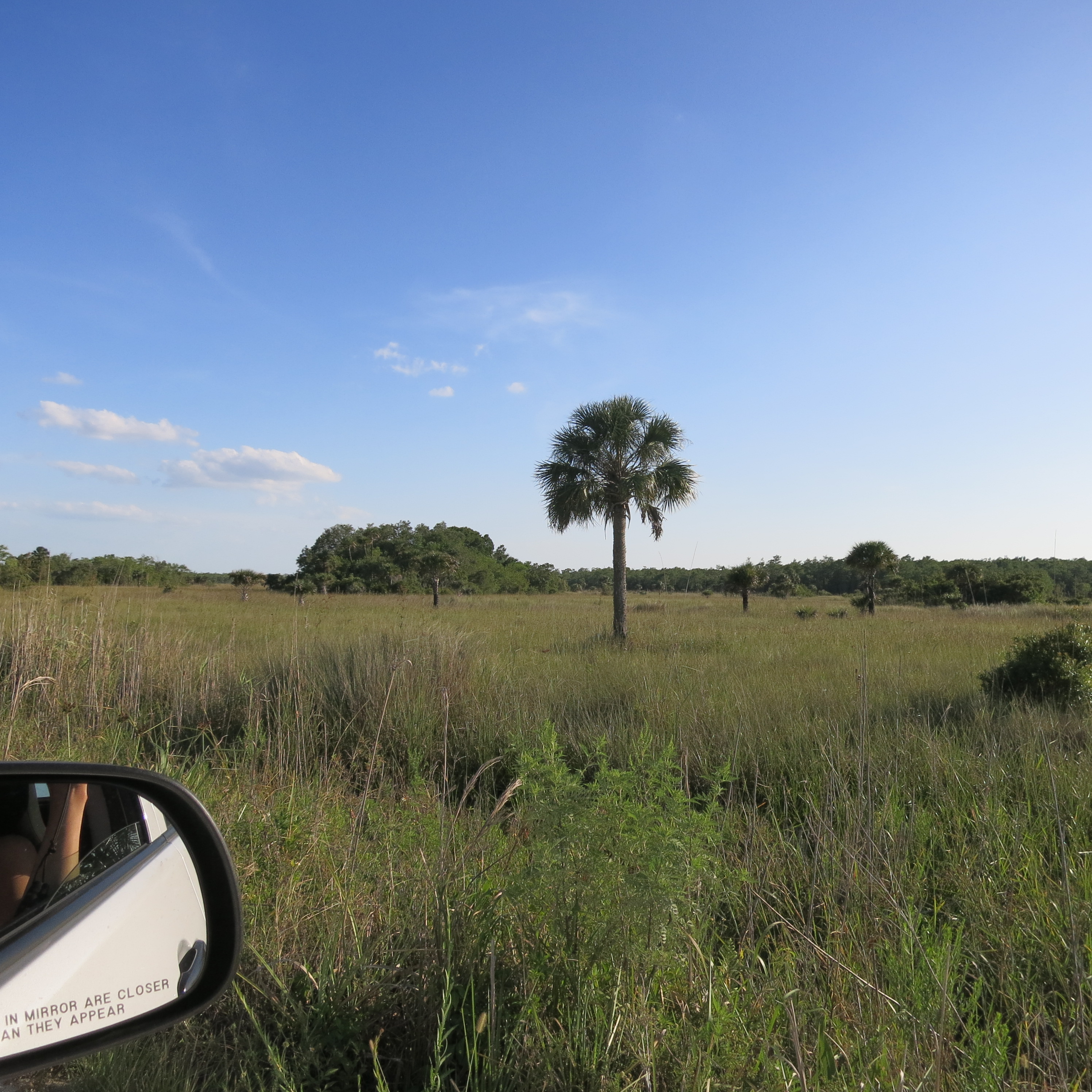
Classic grassy marsh with scattered palms

Classic grassy marsh with scattered palms

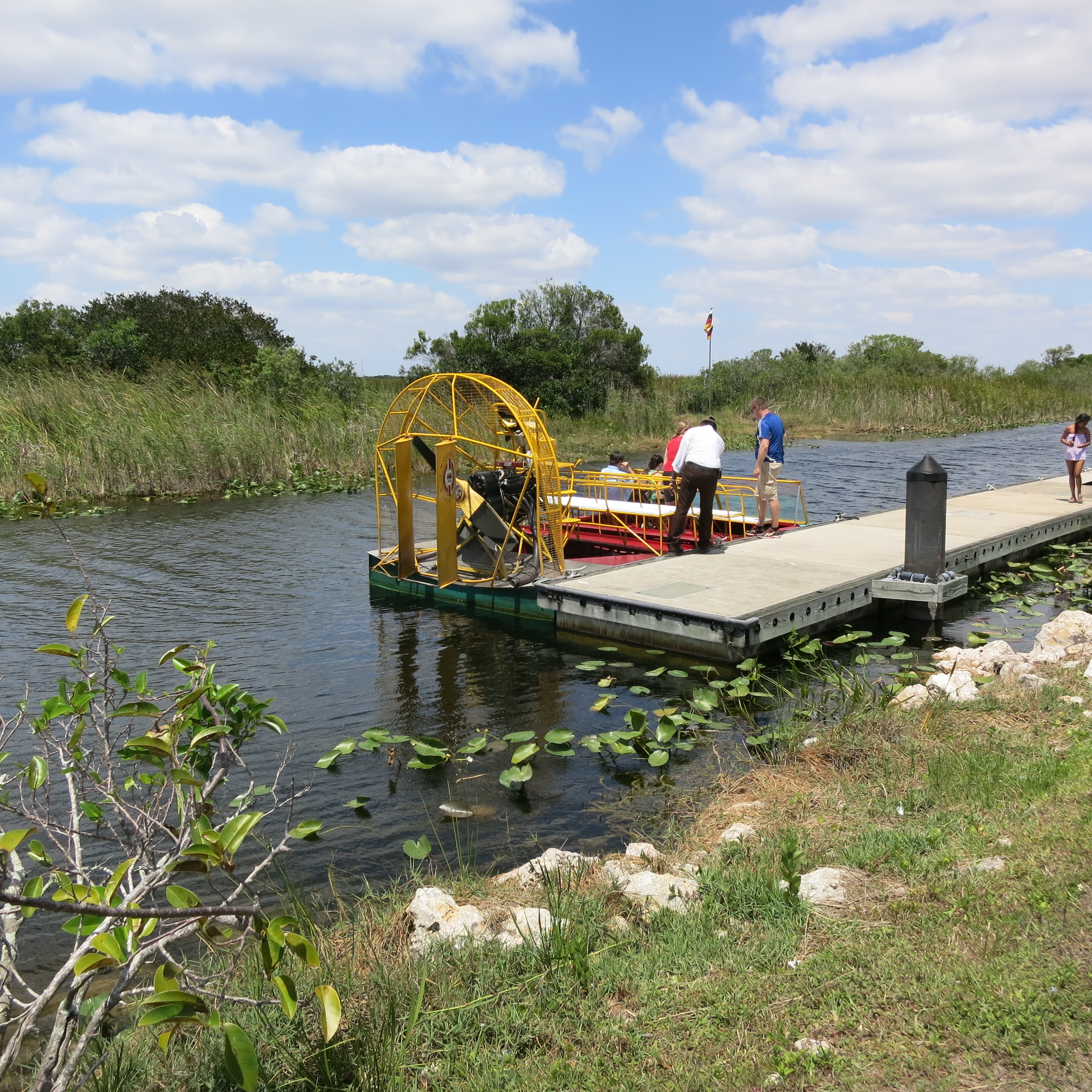
Airboats are a common way to get around the swamps because all you need to draft is a couple inches. We decided to not go on one and instead keep our hearing.

Airboats are a common way to get around the swamps because all you need to draft is a couple inches. We decided to not go on one and instead keep our hearing.

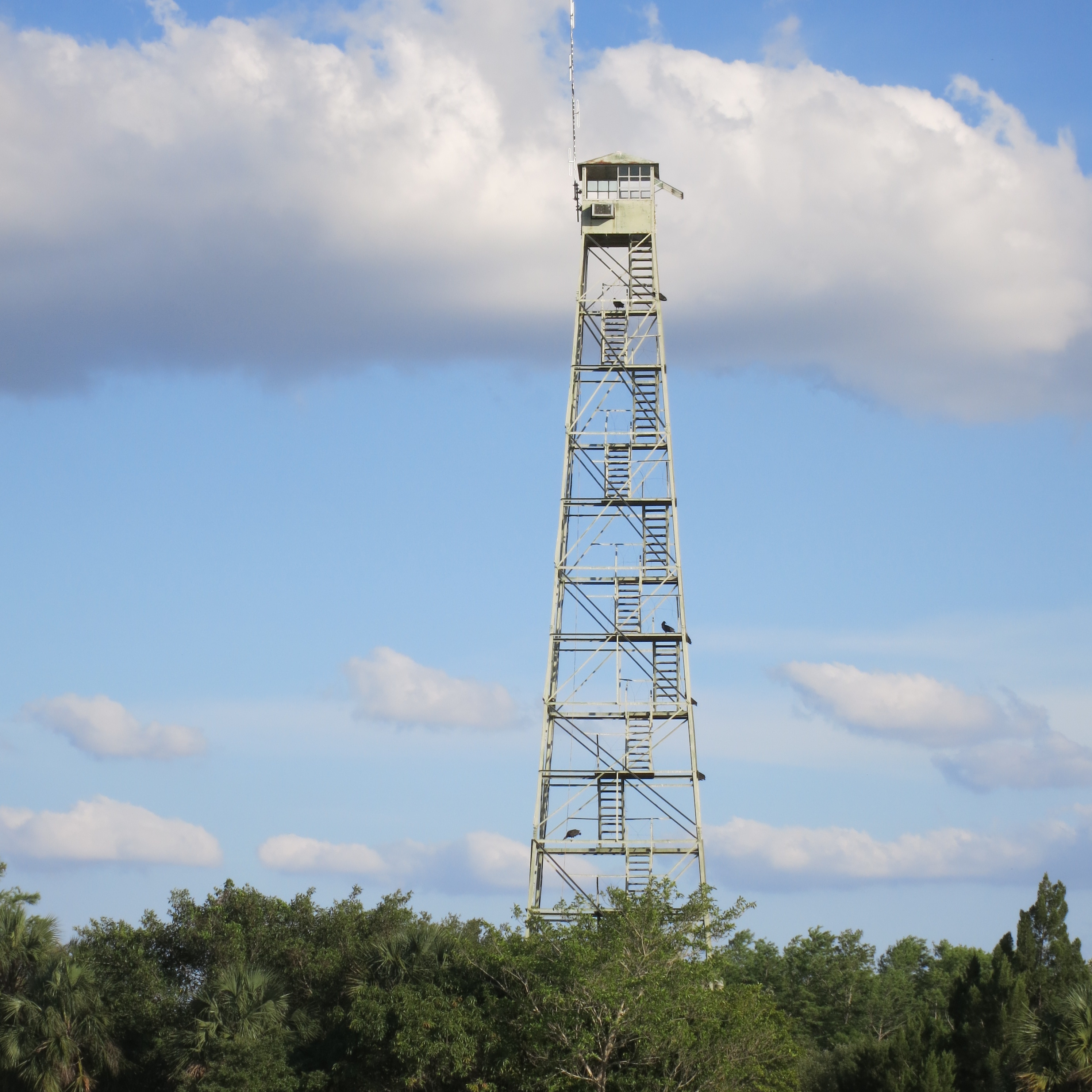
A lookout tower near Fakahatchee. Note the air conditioner box on the side and vultures roosting on the structure.

A lookout tower near Fakahatchee. Note the air conditioner box on the side and vultures roosting on the structure.

The largest alligator in the Fakahatchee sinkhole was at least 12 feet

The largest alligator in the Fakahatchee sinkhole was at least 12 feet

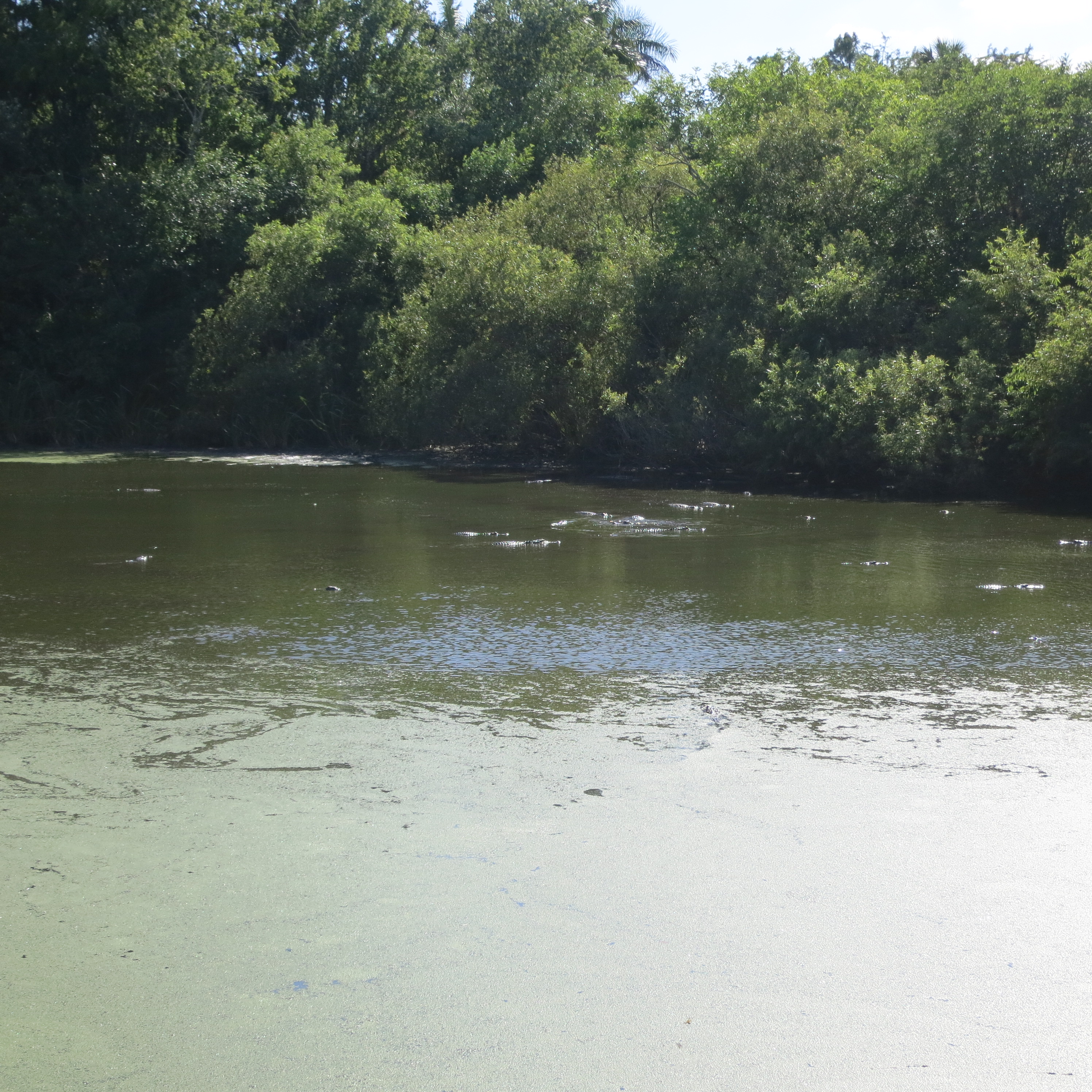
The bumps you see are the eyes of alligators

The bumps you see are the eyes of alligators

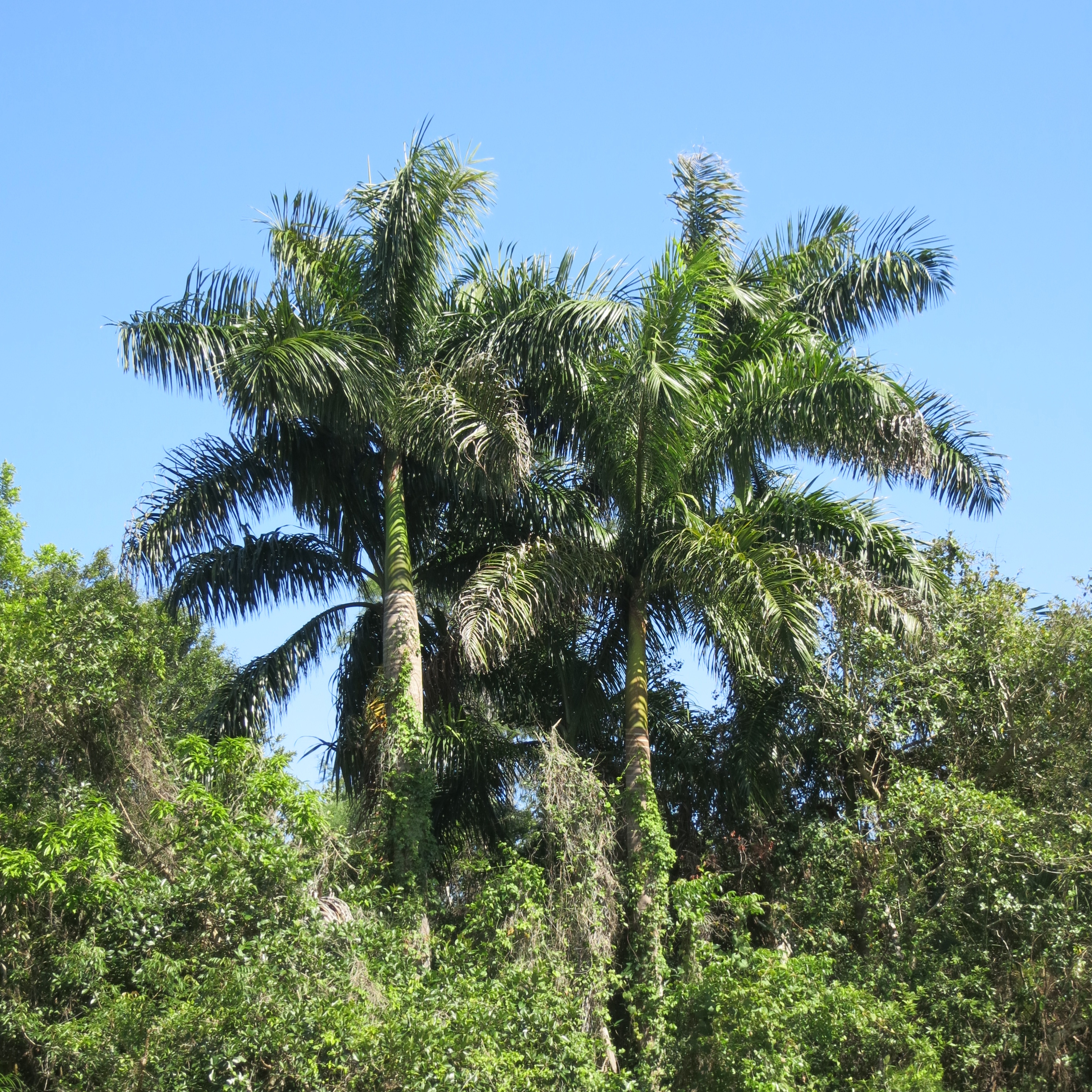
Royal palms are prolific native species in S Florida. They are also commonly planted in landscaping

Royal palms are prolific native species in S Florida. They are also commonly planted in landscaping

Everglades City was a sweet quiet town with empty lots, neat yards, and scattered houses. We guessed some of the empty lots in the middle of town tell of past hurricanes.

Everglades City was a sweet quiet town with empty lots, neat yards, and scattered houses. We guessed some of the empty lots in the middle of town tell of past hurricanes.

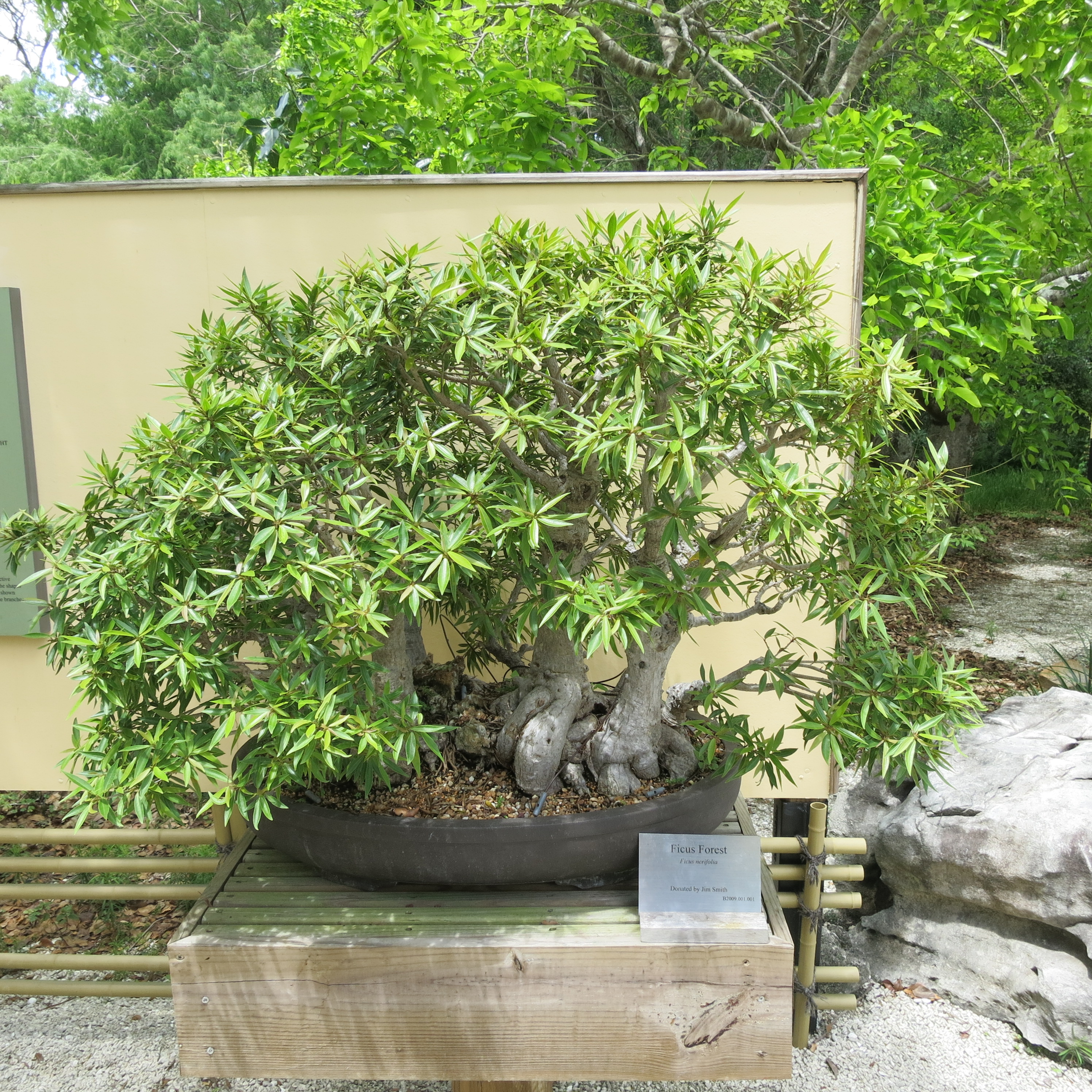
One of the bonsai trees at Morakami. A few were 400 years old.

One of the bonsai trees at Morakami. A few were 400 years old.

Museum at Morakami had displays on local history, and life in Japan (school, family life, transportation)

Museum at Morakami had displays on local history, and life in Japan (school, family life, transportation)

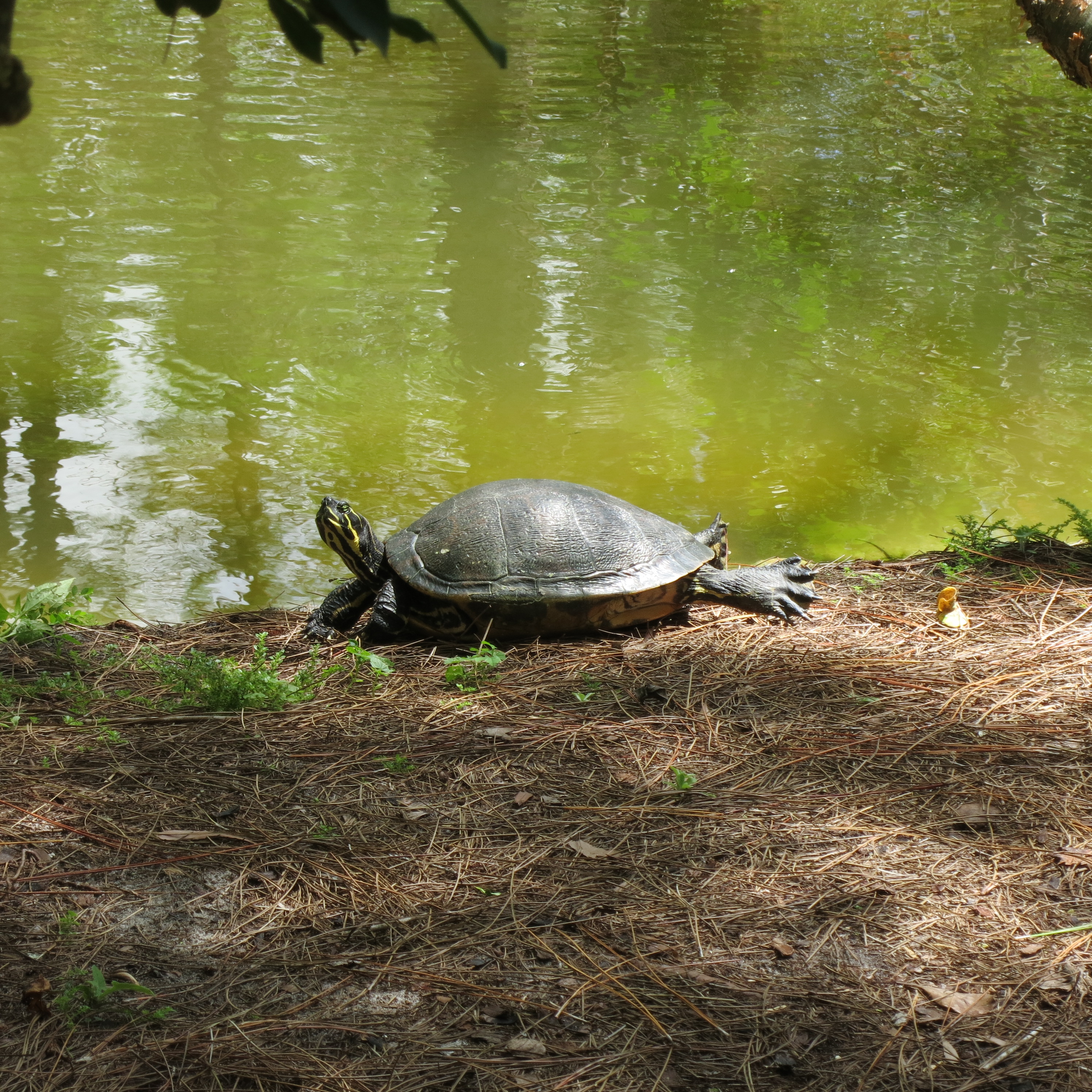
Yogic turtle practicing "up dog" at Morakami

Yogic turtle practicing “up dog” at Morakami

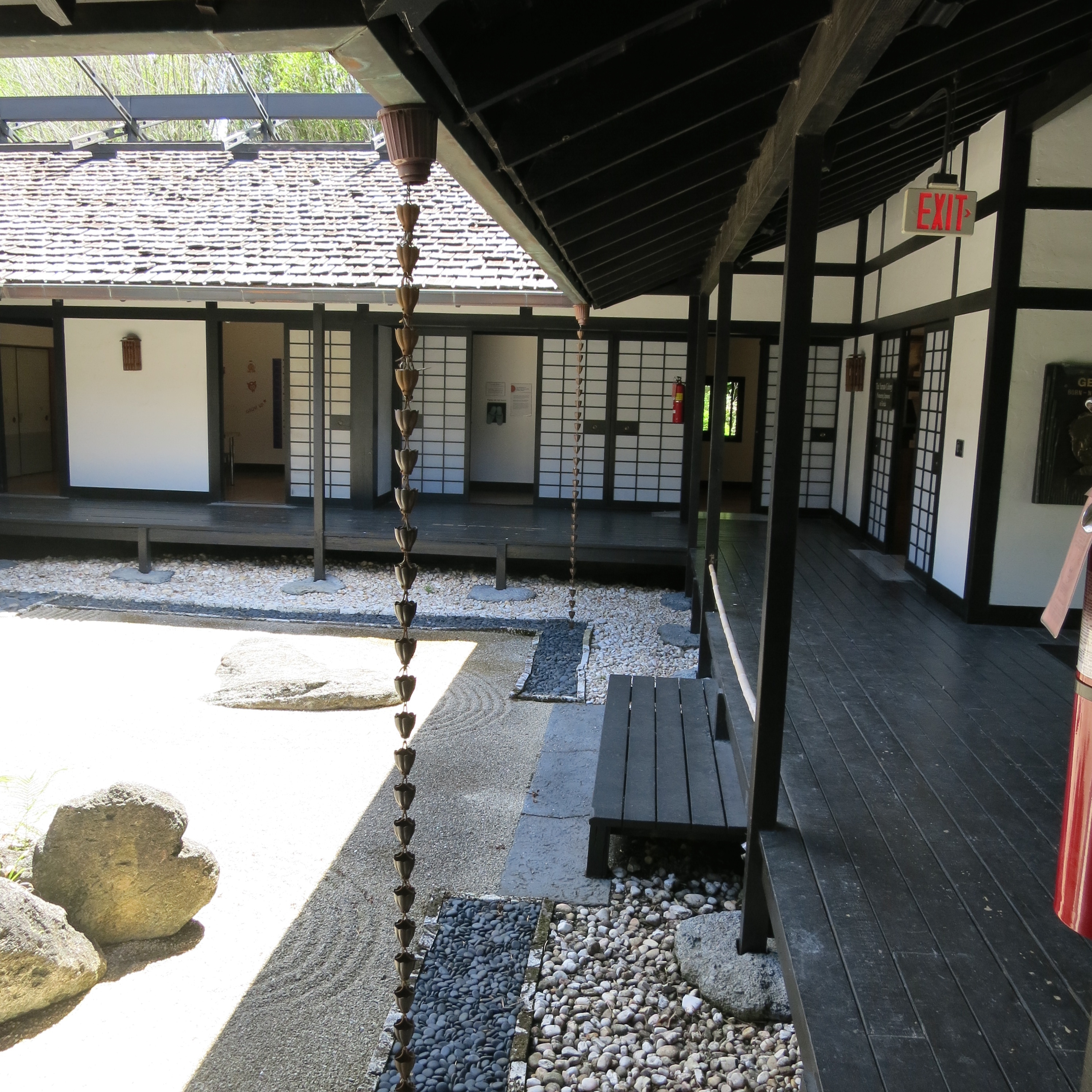
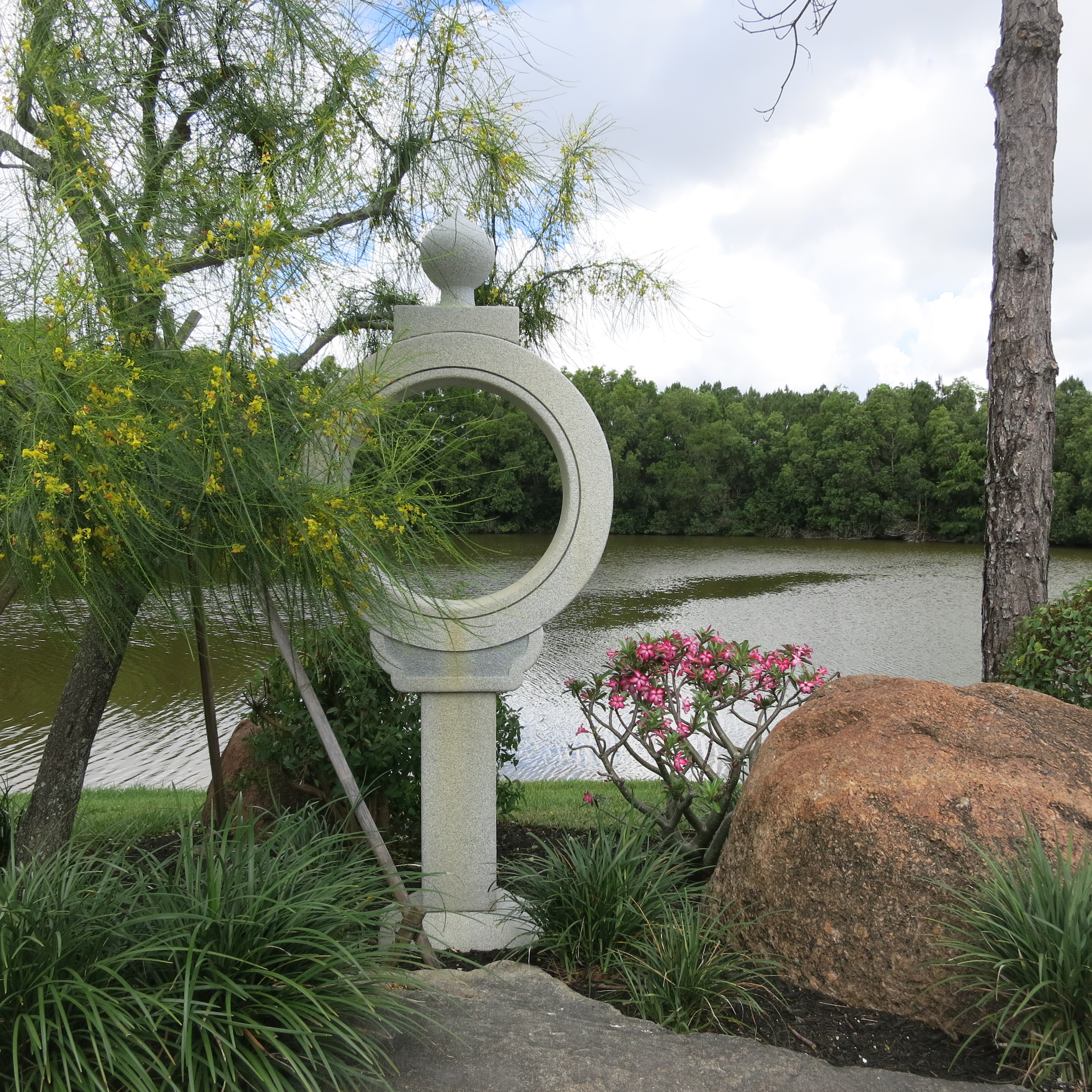
Morakami Japanese Garden

Morakami Japanese Garden

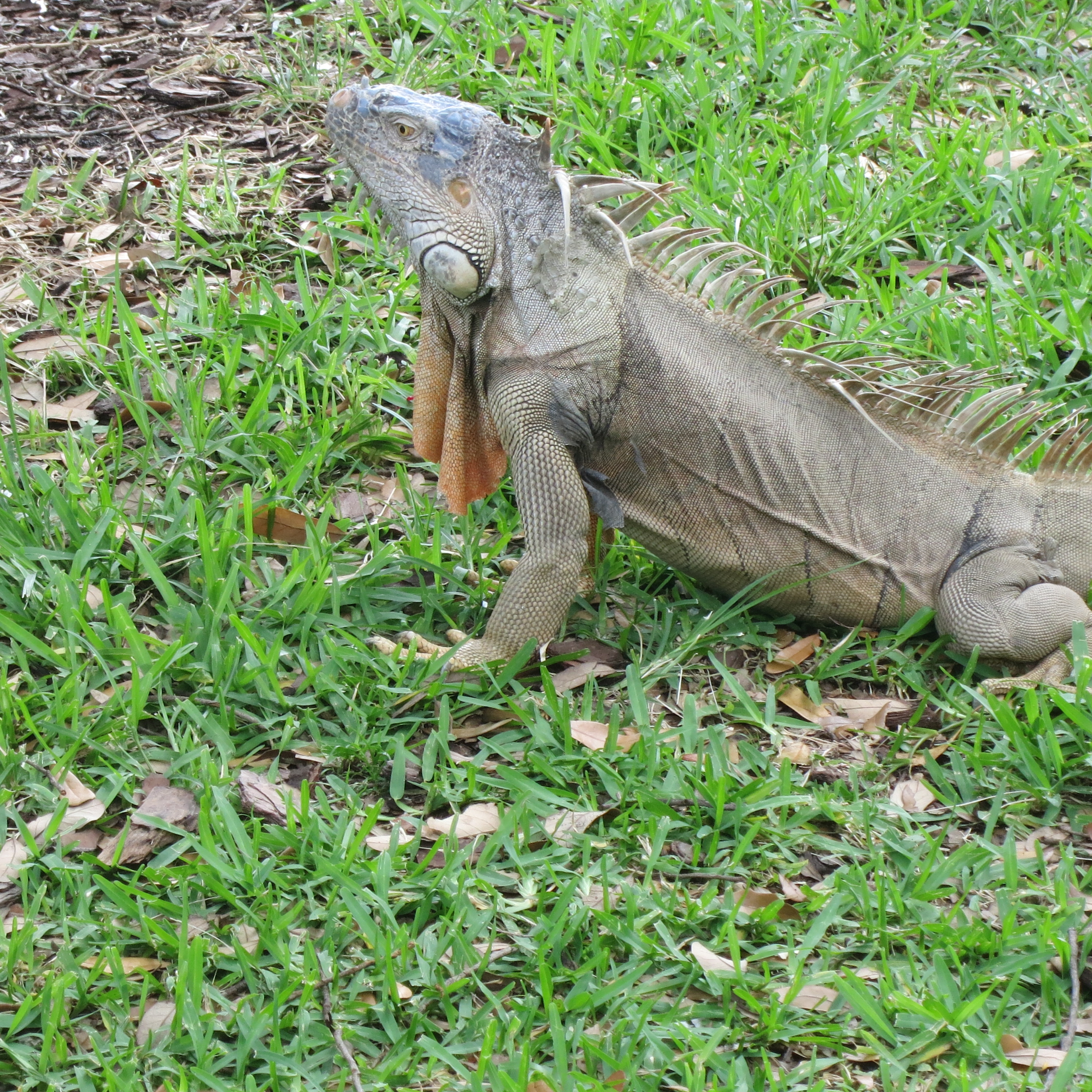
This iguana was in a park in downtown Fort Lauderdale

This iguana was in a park in downtown Fort Lauderdale

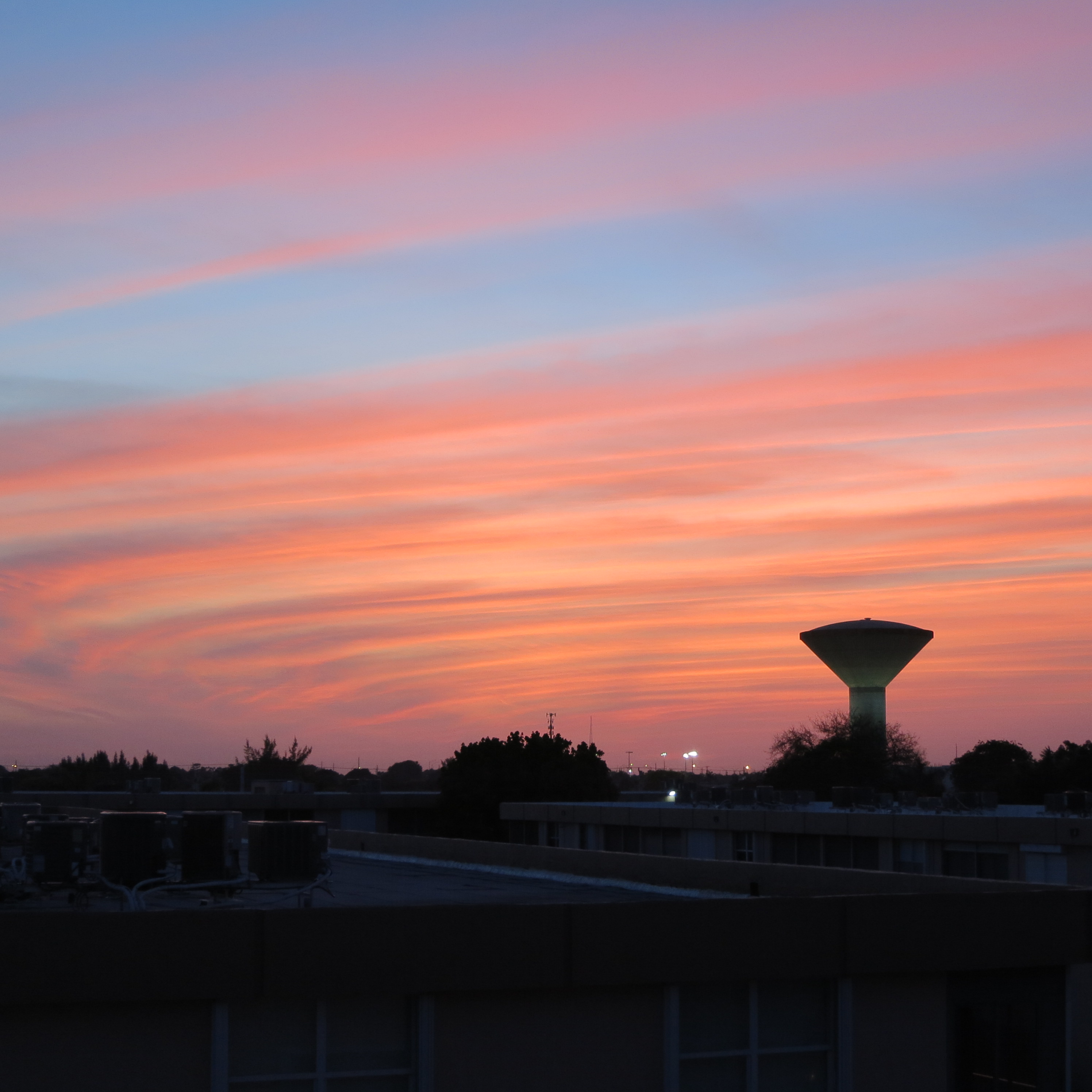
Sunset with the municipal water town in Boynton Beach

Sunset with the municipal water town in Boynton Beach

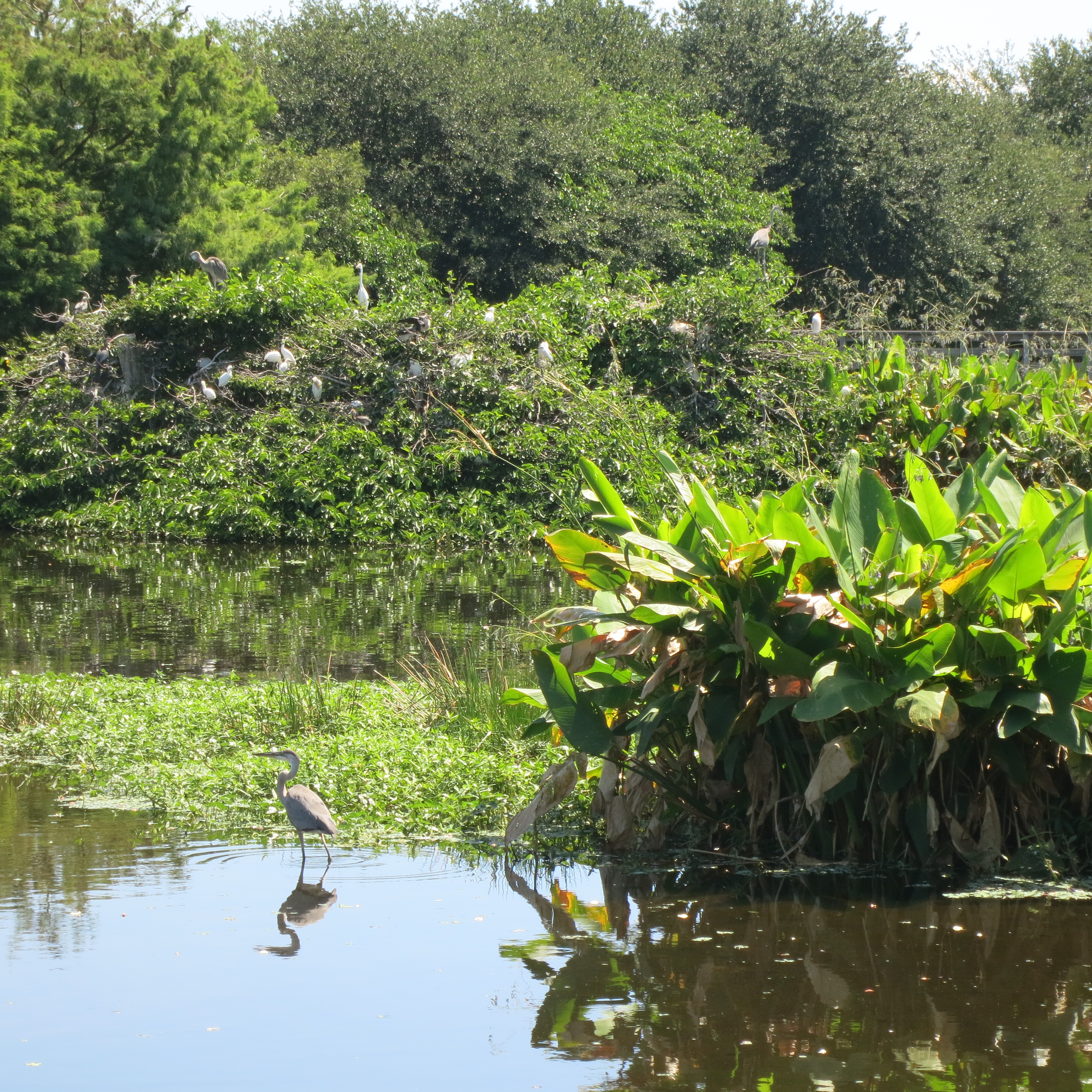
This nest was about 6 feet from a boardwalk in a local nature preserve

This nest was about 6 feet from a boardwalk in a local nature preserve

The wildlife at a local nature preserve was nonplussed by proximity to humans

The wildlife at a local nature preserve was nonplussed by proximity to humans

The Wakodahatchee Wetlands are the last step in the local water treatment plant's outflow. It is also a free country park with a  mile of boardwalk trails so people can observe the wildlife.

The Wakodahatchee Wetlands are the last step in the local water treatment plant’s outflow. It is also a free country park with a mile of boardwalk trails so people can observe the wildlife.

Saint Lucia

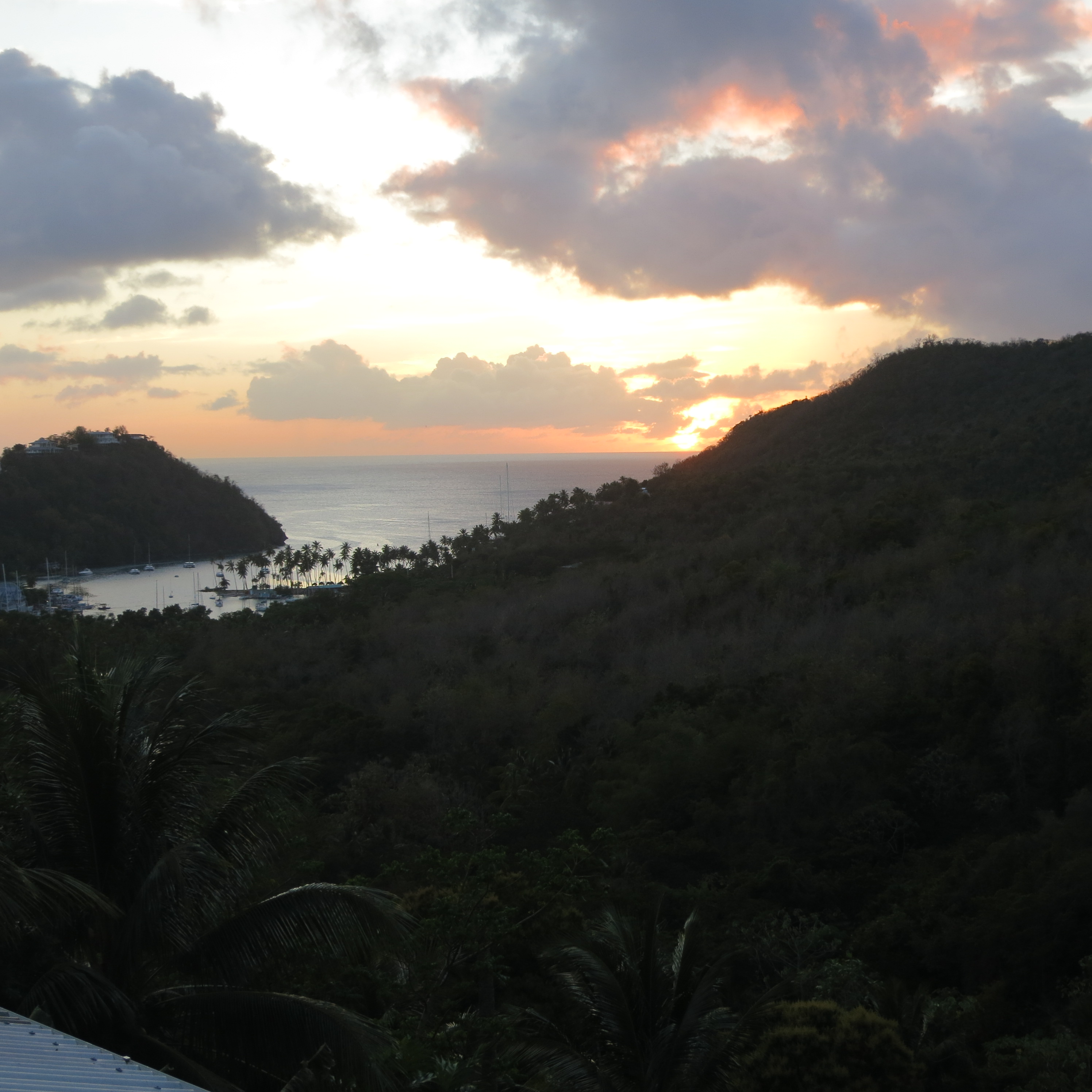
Sunset view from our rooftop over Marigot Bay

Sunset view from our rooftop over Marigot Bay

We are currently in St. Lucia (pronounced LOO-sha), which is 90 miles south of Dominica. It is similar to Dominica in many ways: climate, overall size, mountainous terrain, mixed historic influences, escaped slaves hid in the interior, small villages, dependence on tourism, subsistence living, minibus public transport, and strong Catholic and Rastafarian presences. There are differences: more flat land, more than twice the population, many resorts catering to weddings and honeymoons, cruise boats visit year round, more signs of large-scale industry and corporate presence, greater wealth and infrastructure, and good bays for shipping and freighter traffic. Despite an unemployment rate of 20%, we have found the people to be happy, generous, and smart.

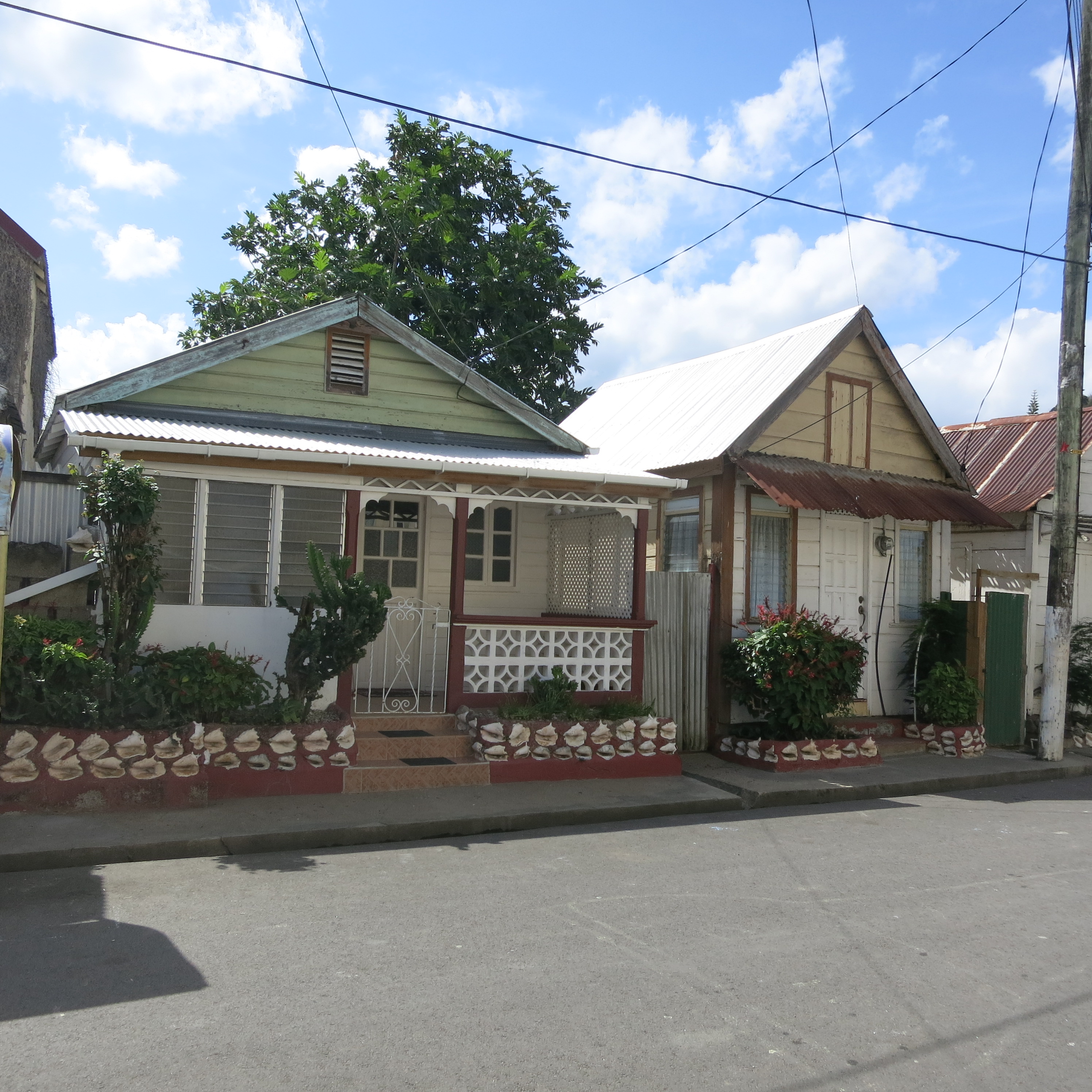
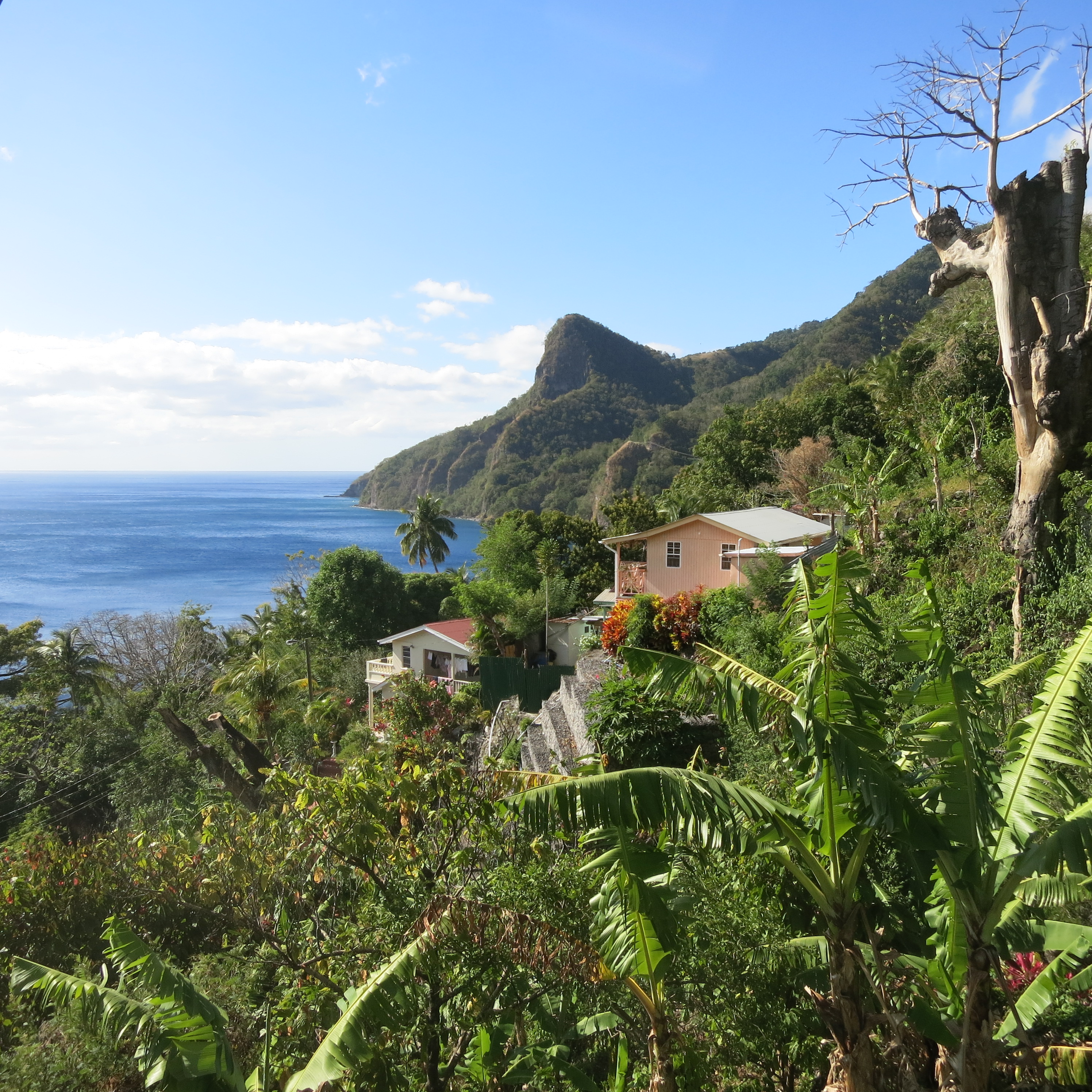
Traditional architecture and conch shell decorations on two small houses in Anse La Raye

Traditional architecture and conch shell decorations on two small houses in Anse La Raye

The history of St Lucia includes some remarkable stories. The Kalinago people here also fought with the colonialists, at one point selling them tracts of land then driving them back to the sea. Ultimately, the Kalinago fled, died off, or were all killed. The French and British both wanted St Lucia and it swapped hands 14 times in 150 years ending under British control in 1814. The French Revolution brought emancipation to the slaves—many of whom joined the French army in fighting against the British. When the British retook St Lucia in 1797, many blacks refused re-enslavement, some joined a black British regiment, and were then “repatriated” to Africa. In 1979, St Lucia was granted independence and is still a part of the British Commonwealth.

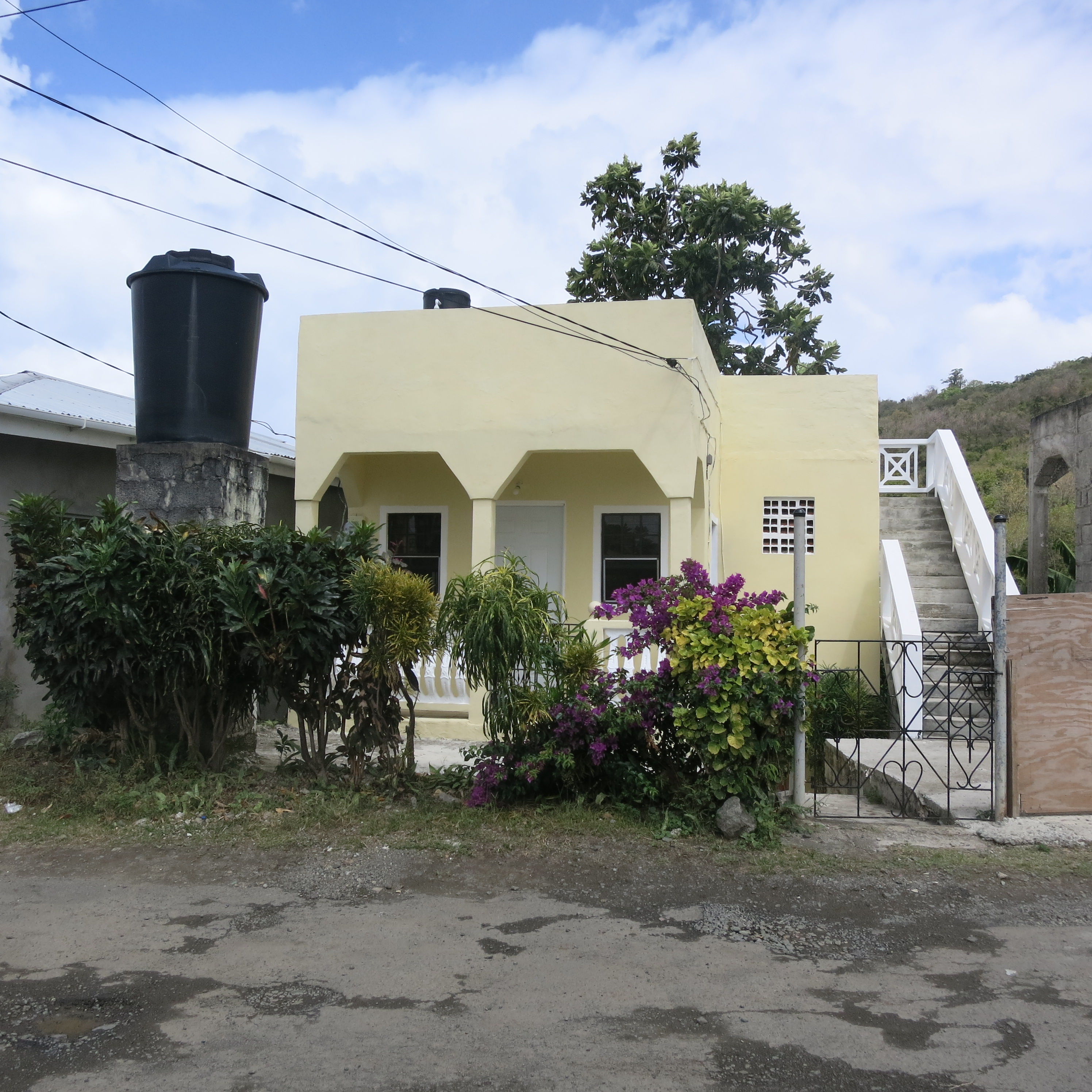
The street view of our house in Marigot

The street view of our house in Marigot

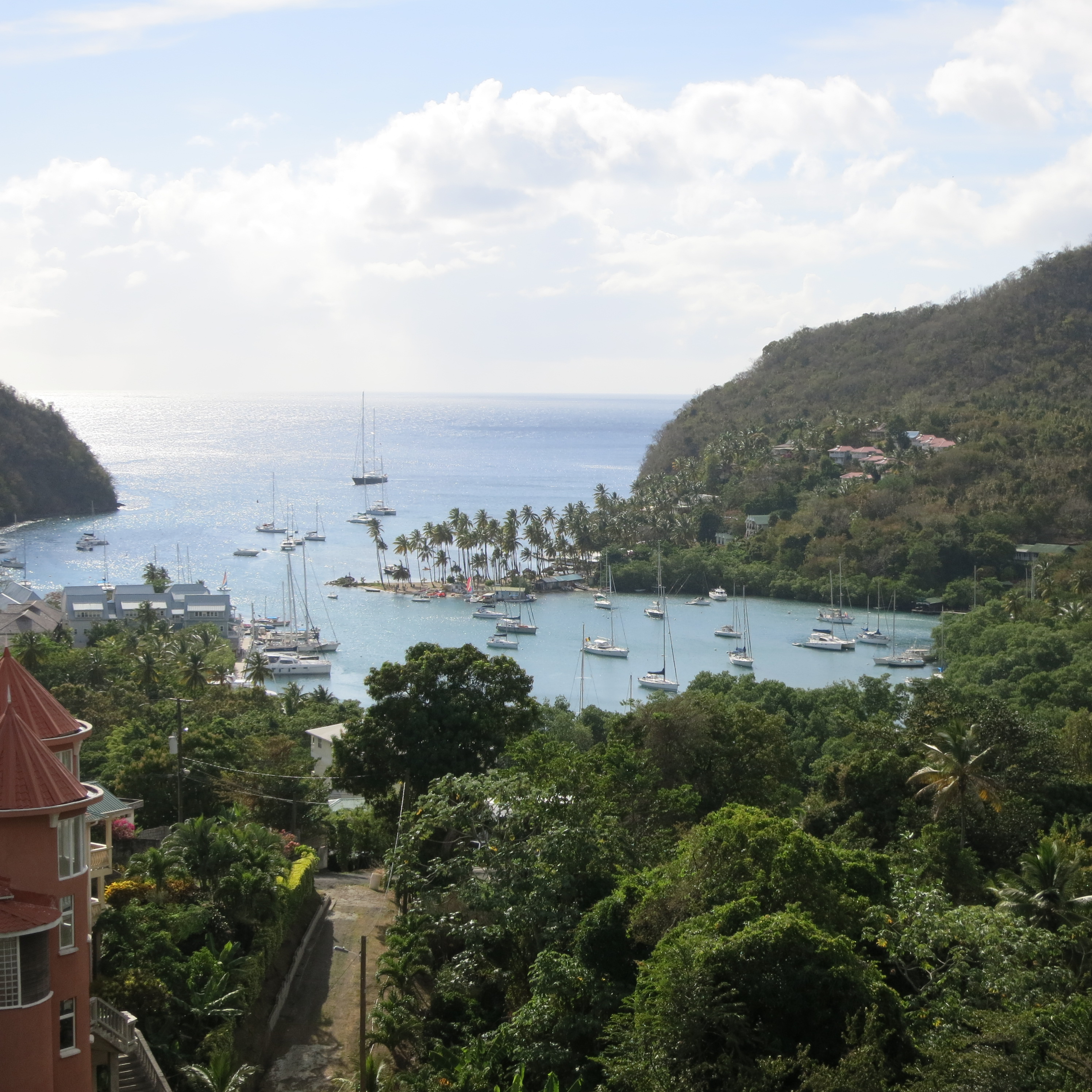
We are staying in a little house on a ridge in the village of Marigot. Marigot Bay, visible below us, is a deep, hidden, natural harbor. It is considered a hurricane hole. In the 1700s, they say the entire British fleet hid from the French in the bay by covering the entrance with palm fronds. Once the French sailed by, the British sailed out and destroyed them from behind. More recently, parts of Rex Harrison’s Doctor Doolittle were filmed here in 1967. Our AirBnb is owned by a local woman and located in the heart of the village. Her family has something like 10 houses in a row and we are in one of them. We do our shopping at the minimart owned by her mom and are looked after by the extended family. Due to the close proximity of our neighbors, we can always hear a chicken, a dog, a car horn, a conversation, or someone’s music—sometimes all at once. Interestingly, country music is incredibly popular, so more often than not what is being played loudly is country. We arrived with a few days of showers which was a pleasant break but it has been hot and dry since. The northern third of the island is in a drought and currently has water restrictions in place. The rainy season begins in May/June normally, so it hopefully is coming soon.

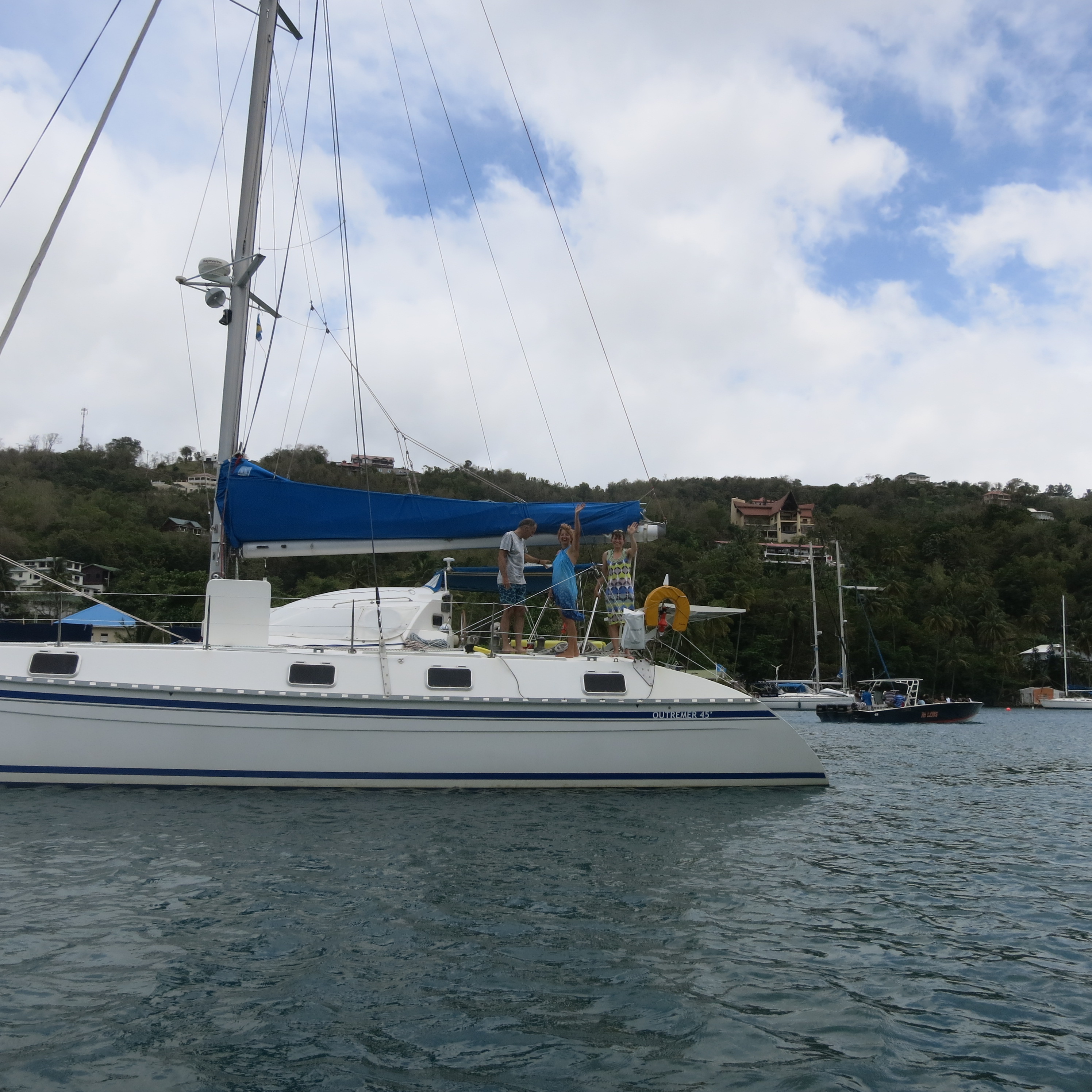
The boat Jim crossed the Atlantic in last year and her current crew

The boat Jim crossed the Atlantic in last year and 3/4 of her current crew

On our second visit to the local beach Jim recognized one of the boats anchored as the one he most recently sailed across the Atlantic on (from Tenerife to St. Martin in November 2013). We were able to contact the the crew by email and arrange a get together. What a small world! The next day we had coffee aboard the Outremer 45. Crew and boat appeared to be in excellent condition all having recovered from their trans-Atlantic. We shared our travel plans and benefitted from their insight into European travel.

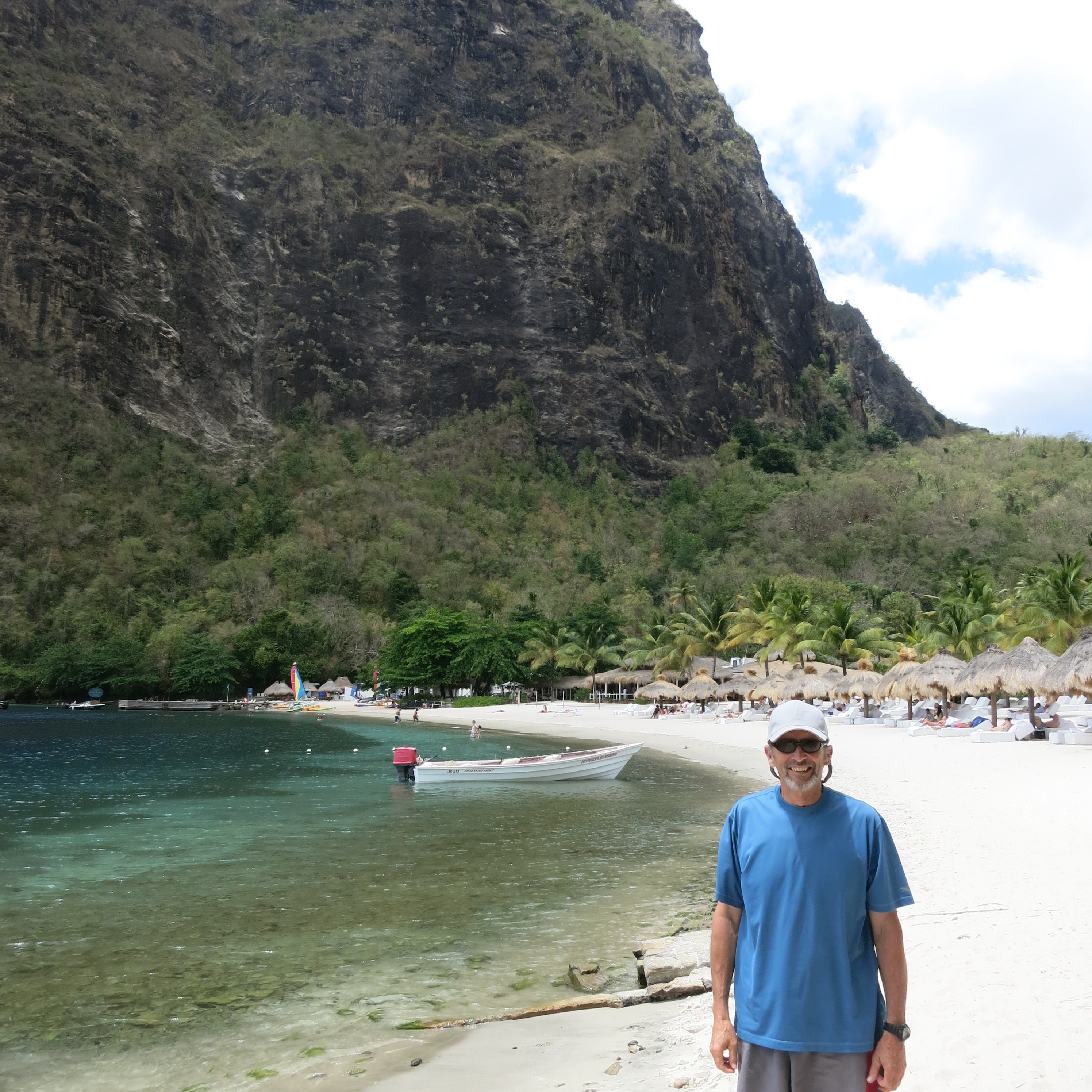
Jalousie Beach and Sugarbeach Resort. Petit Piton is in the background. Near the beach is a typical local boat. Most are named. This one, on the bow is labelled "Mother's Blessing" and on the stern "I'm Sexy You Know It."

Jalousie Beach and Sugarbeach Resort. Petit Piton is in the background. Near the beach is a typical local boat. Most are named. This one, on the bow is labelled “Mother’s Blessing” and on the stern “I’m Sexy You Know It.”

In our time here, we have sought the ultimate snorkeling adventure, spending 2-3 hours in the water almost every day. We have found much joy in exploration and moving through the water, becoming stronger and sleeker swimmers. Topography above water becomes spectacular underwater and this coastline lends itself to caves, canyons, slots, blowholes and arches. Fish and coral are abundant and we have now become amateur experts at identification. Without an underwater camera or wanting to introduce ours to salt and sand, we have no pictures to share from these experiences. Some of the highlights include spotting a giant spiny lobster, being swarmed by curious Sergeant Majors, swimming with barracuda who were nonplussed to share the water with us, seeing flights of squid who let us circle and inspect them, chasing crabs, being included by small fish (one to four inches) in their schools apparently for their protection, seeing at least five types of eels, and getting dazzled by the iridescence of parrotfish, wrasse, damselfish, and many more.

Immanently defensible Pigeon Island near Rodney Bay

Immanently defensible Pigeon Island near Rodney Bay

We took a trip north to Rodney Bay. The majority of the people in St Lucia live there and it is the center for more affluent tourism, upscale resorts, and private villas. Seeing box stores, traffic jams, and so many white people, we felt like we were on a different island. We spent a morning walking the docks of the 280-slip marina and checking out boats. We walked around Pigeon Point looking at ruins and views from the forts used by pirates, the British, the French, and the Americans (in WWII). Then we got in the water, of course, and snorkeled along Pigeon Point.

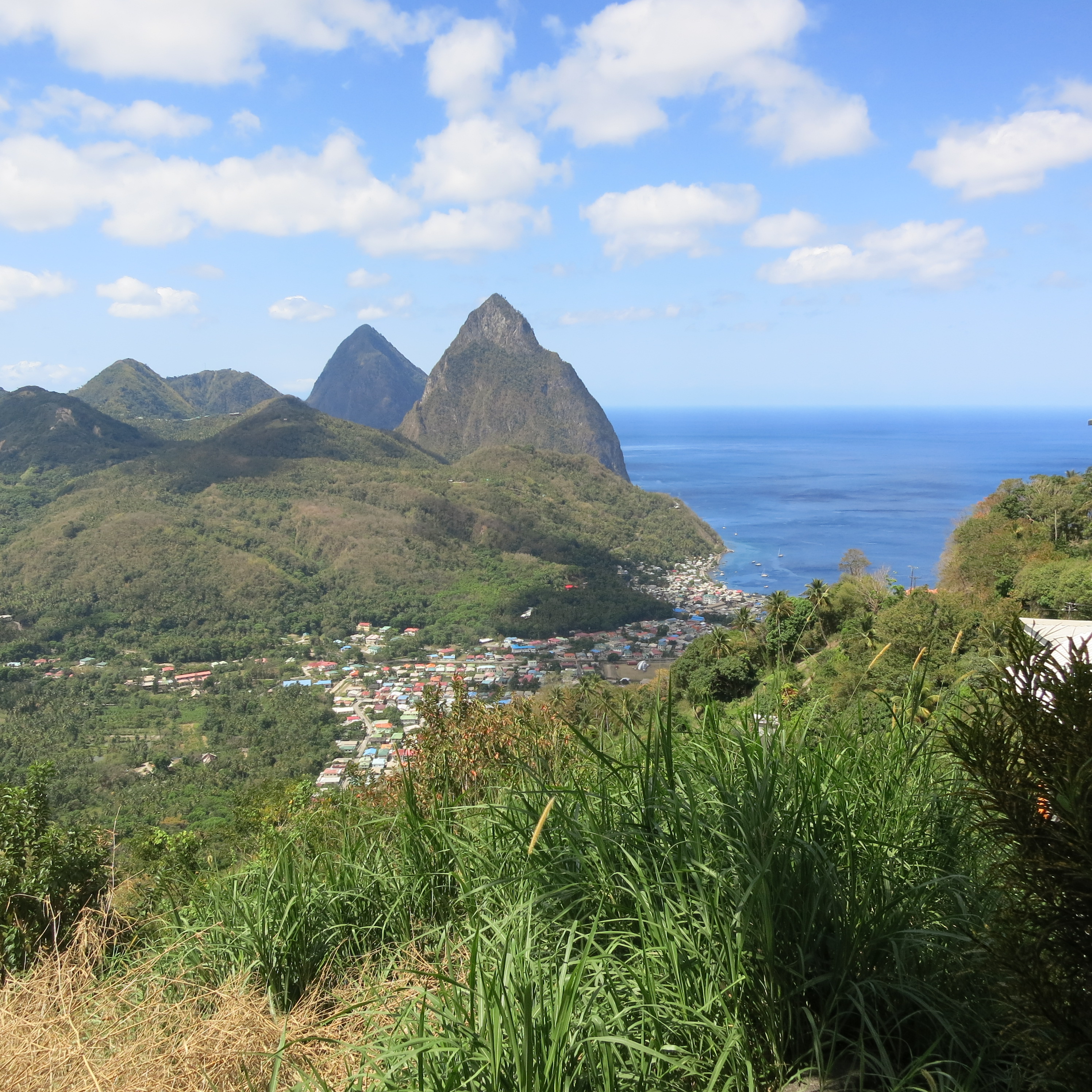
The Pitons beyond St Lucia's second largest town, Soufriere.

The Pitons beyond St Lucia’s second largest town, Soufriere.

We also rented a car for a few days in order to head south. Driving is on the left-hand side of the road so it was an adventure. Fortunately traffic was sparse and roads are rough so slow can be normal; we did fine. We traveled to places renowned for snorkeling. In St Lucia all beaches are public but resorts like to build along the best beaches, so we often had to walk through a resort, which was interesting and slightly awkward as we packed in our own gear, water, and lunch. We did have lunch one day a place called Boucan, Hotel Chocolat. Everything the restaurant serves has cacao in some form included. It was delicious! St Lucia’s most iconic image is that of two very steep mountains, called the Pitons. We succeeded in checking out the Pitons from multiple angles and swimming at the base of one. They are awesome, astounding peaks.

In early May we head to Florida. Reminder: when we create a new post, we also add photos to the “Picture” tab up above. Take a look!

Marigot Bay. Visible in the foreground is the inner harbor, where the British fleet successfully hid from the French in the 1700s.

Marigot Bay. Visible in the foreground is the inner harbor, where the British fleet successfully hid from the French in the 1700s.

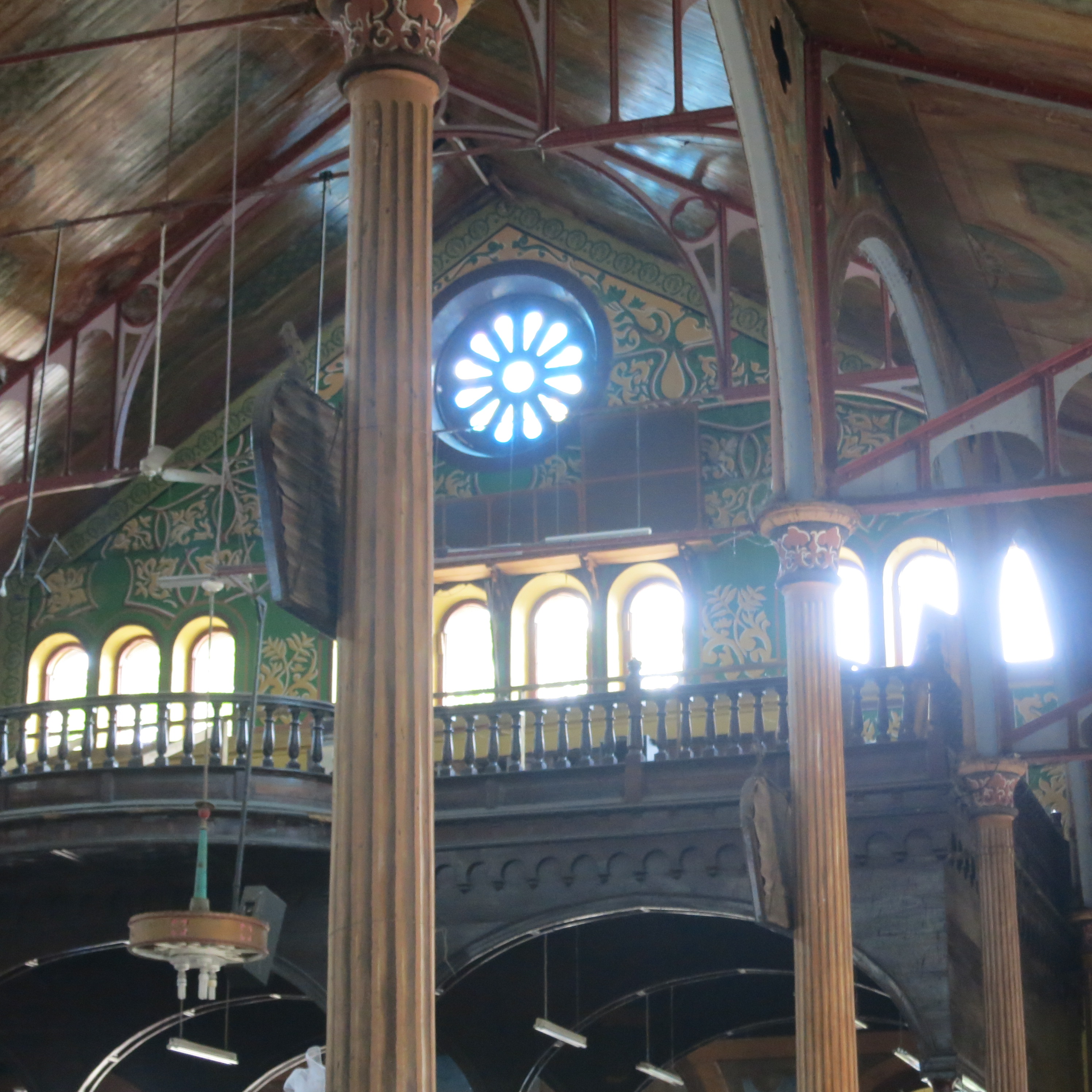
Inside the Cathedral in Castries. The fluting and rosettes on the columns are painted. The walls and ceilings are covered with murals too.

Inside the Cathedral in Castries. The fluting and rosettes on the columns are painted. The walls and ceilings are covered with murals too.

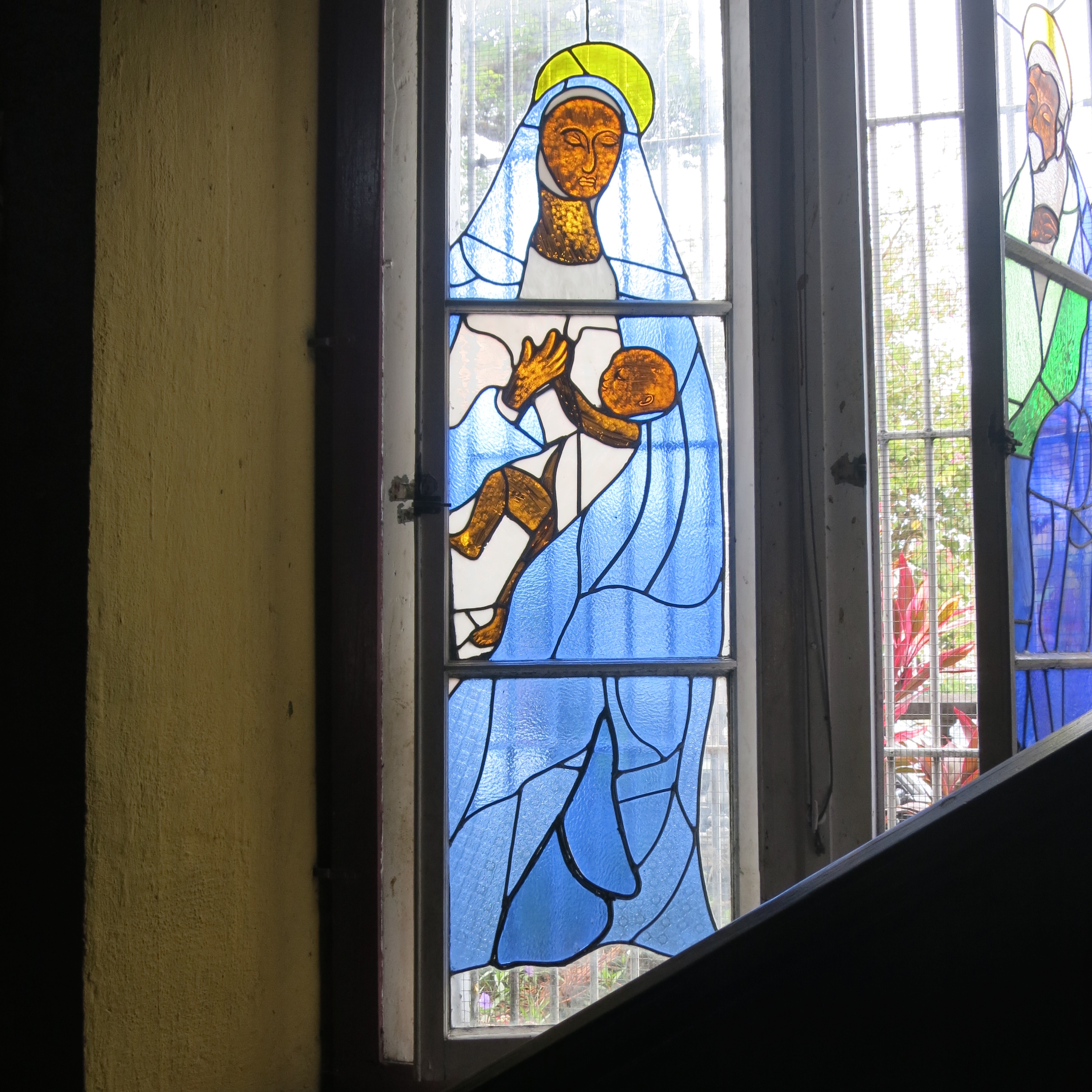
One of the depictions of Mary and baby Jesus in the Castries Cathedral

One of the depictions of Mary and baby Jesus in the Castries Cathedral

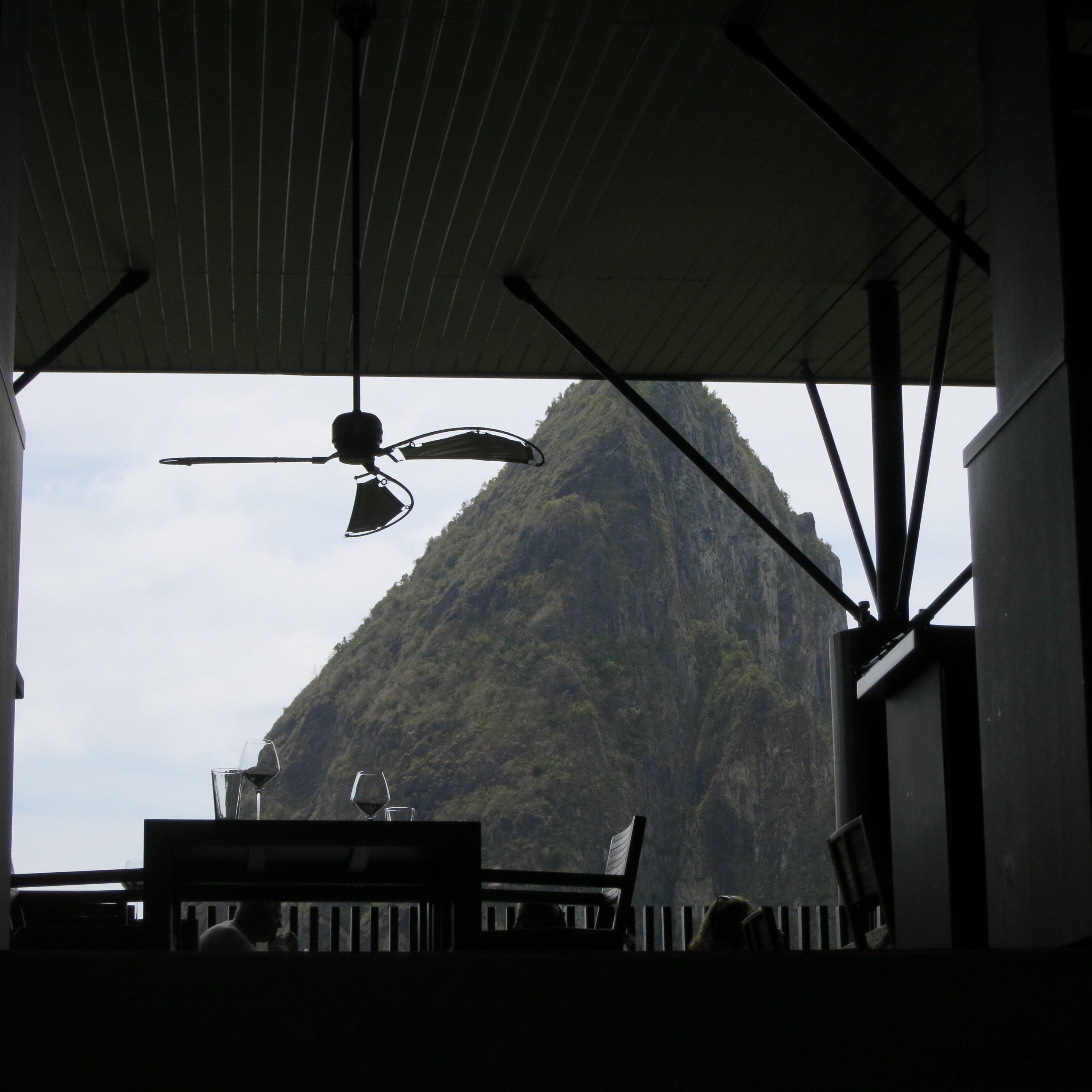
View from Boucan where we ate a chocolate lunch and ogled the Pitons

View from Boucan where we ate a chocolate lunch and ogled the Pitons

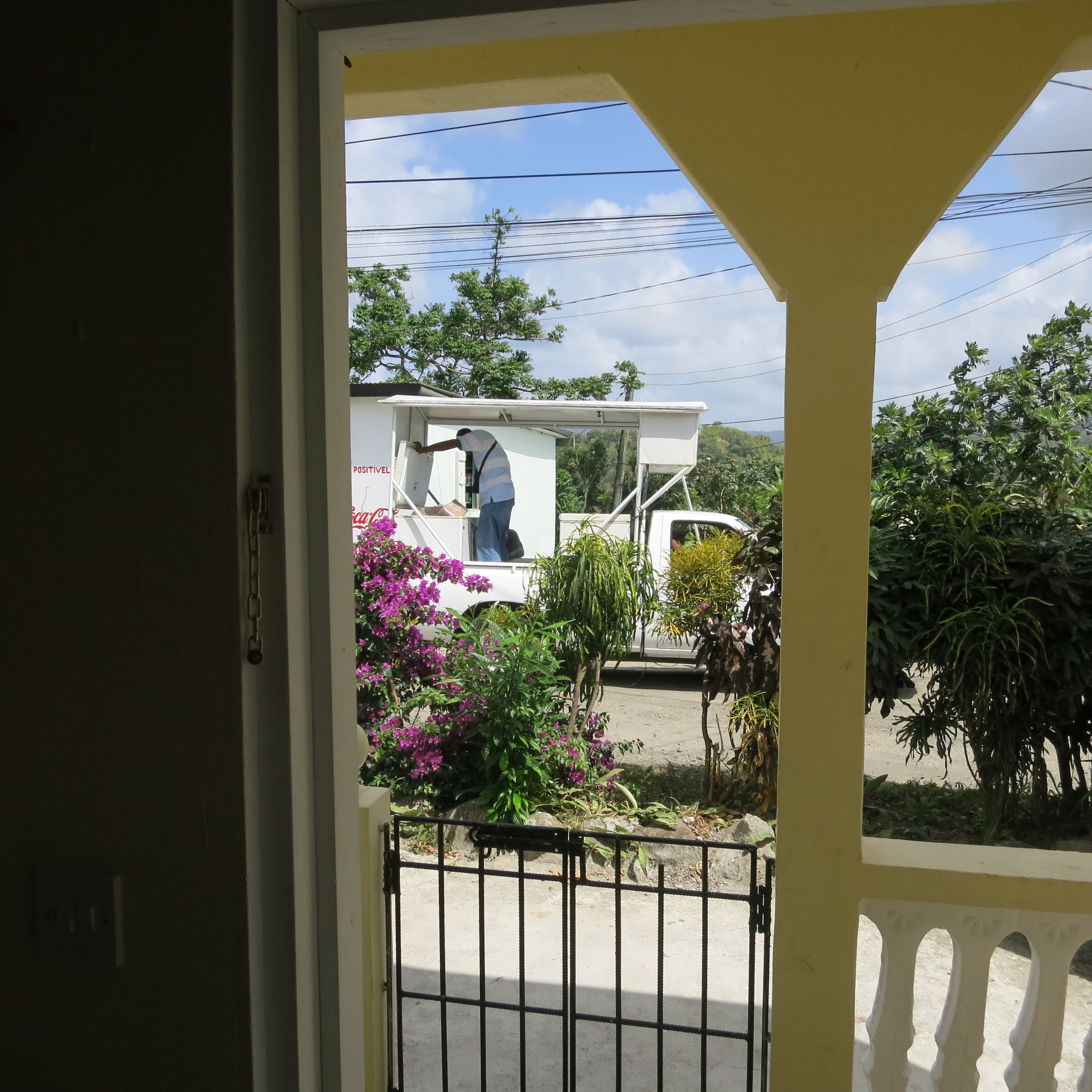
The first icecream truck that drove by our house. Note the cooler is a household chest freezer.

The first icecream truck that drove by our house. Note the cooler is a household chest freezer.

The second ice cream truck, which announced itself with the song Silent Night. Note it has two "portable" chest freezers and a shade roof.

The second ice cream truck, which announced itself with the song Silent Night. Note it has two “portable” chest freezers and a shade roof.

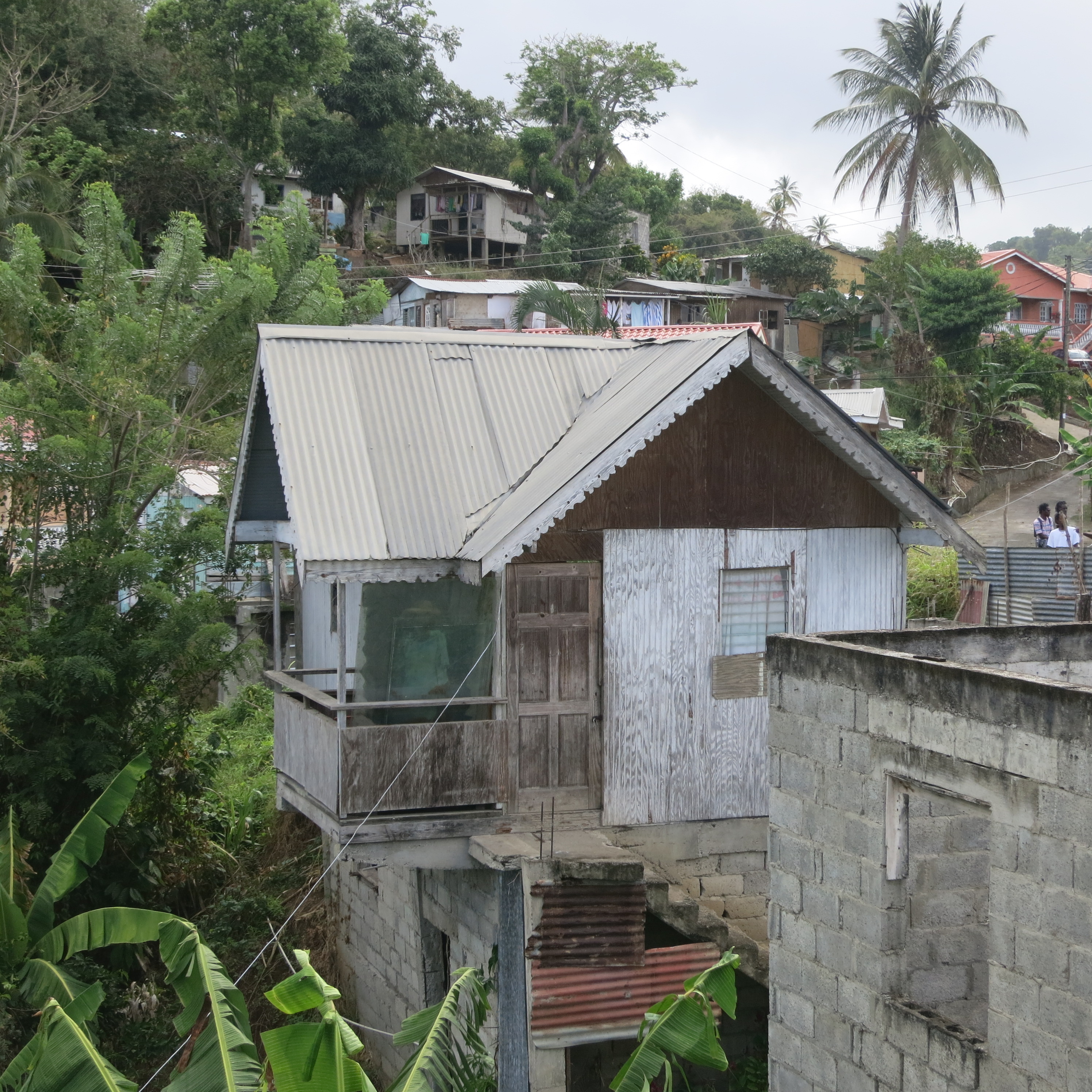
Our neighborhood in Marigot. The two near houses both appear to be unoccupied at present.

Our neighborhood in Marigot. The two near houses both appear to be unoccupied at present.

Interior view of our house in Marigot

Interior view of our house in Marigot

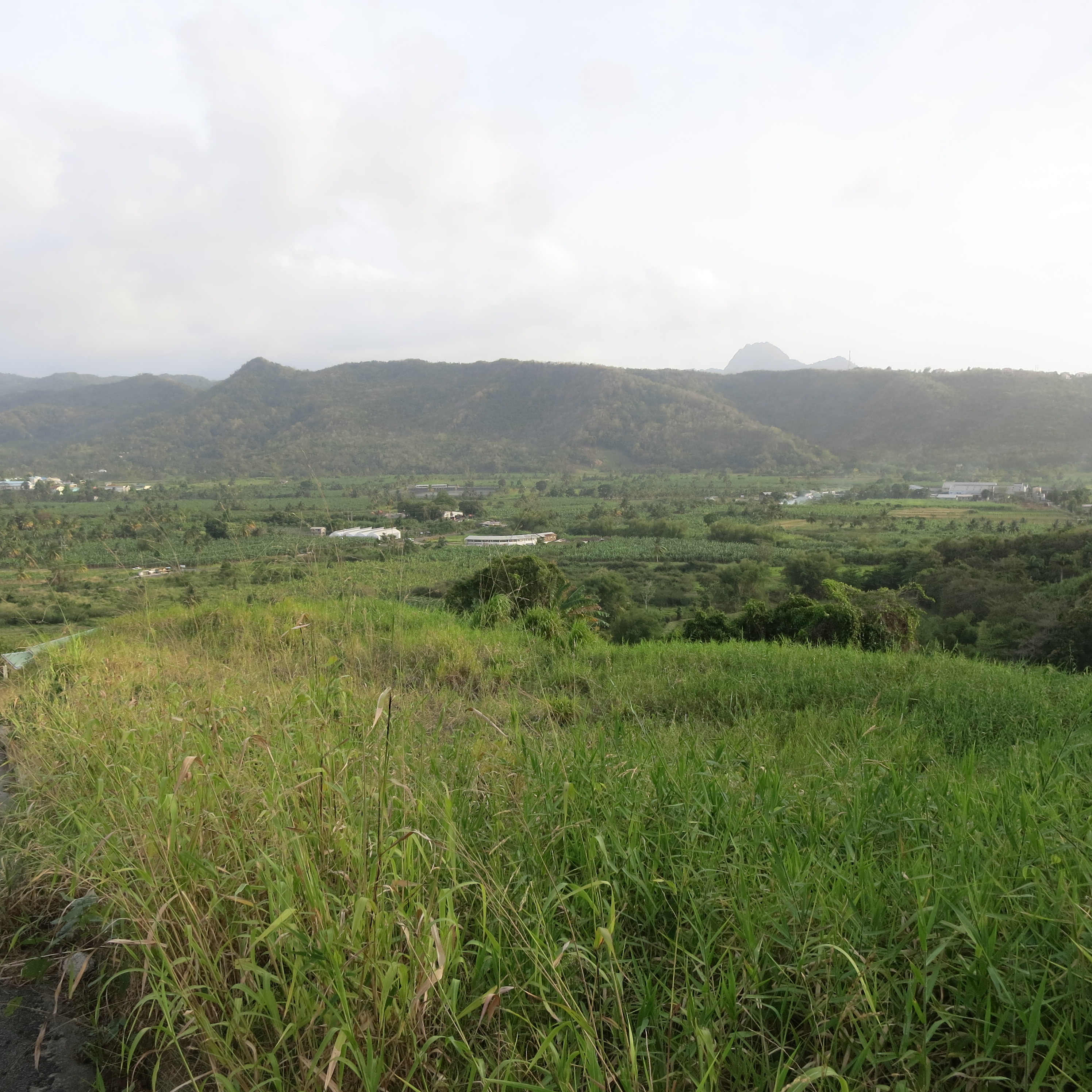
Just south of Marigot lies the Roseau Valley with more flat land and big agriculture (all bananas) than was apparent in Dominica

Just south of Marigot lies the Roseau Valley with more flat land and big agriculture (all bananas) than was apparent in Dominica

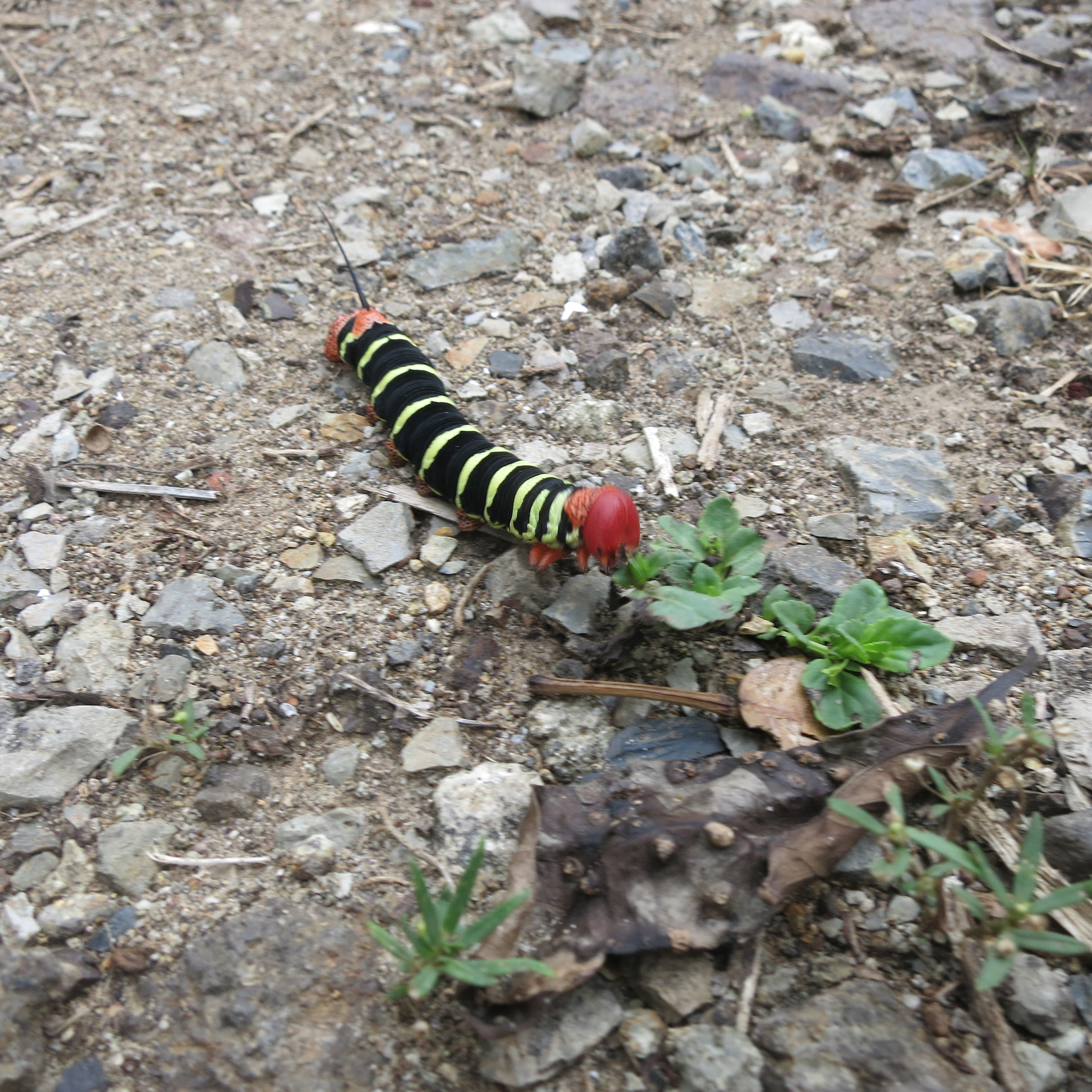
Four-inch caterpillar we commonly saw eating

Four-inch caterpillar we commonly saw eating

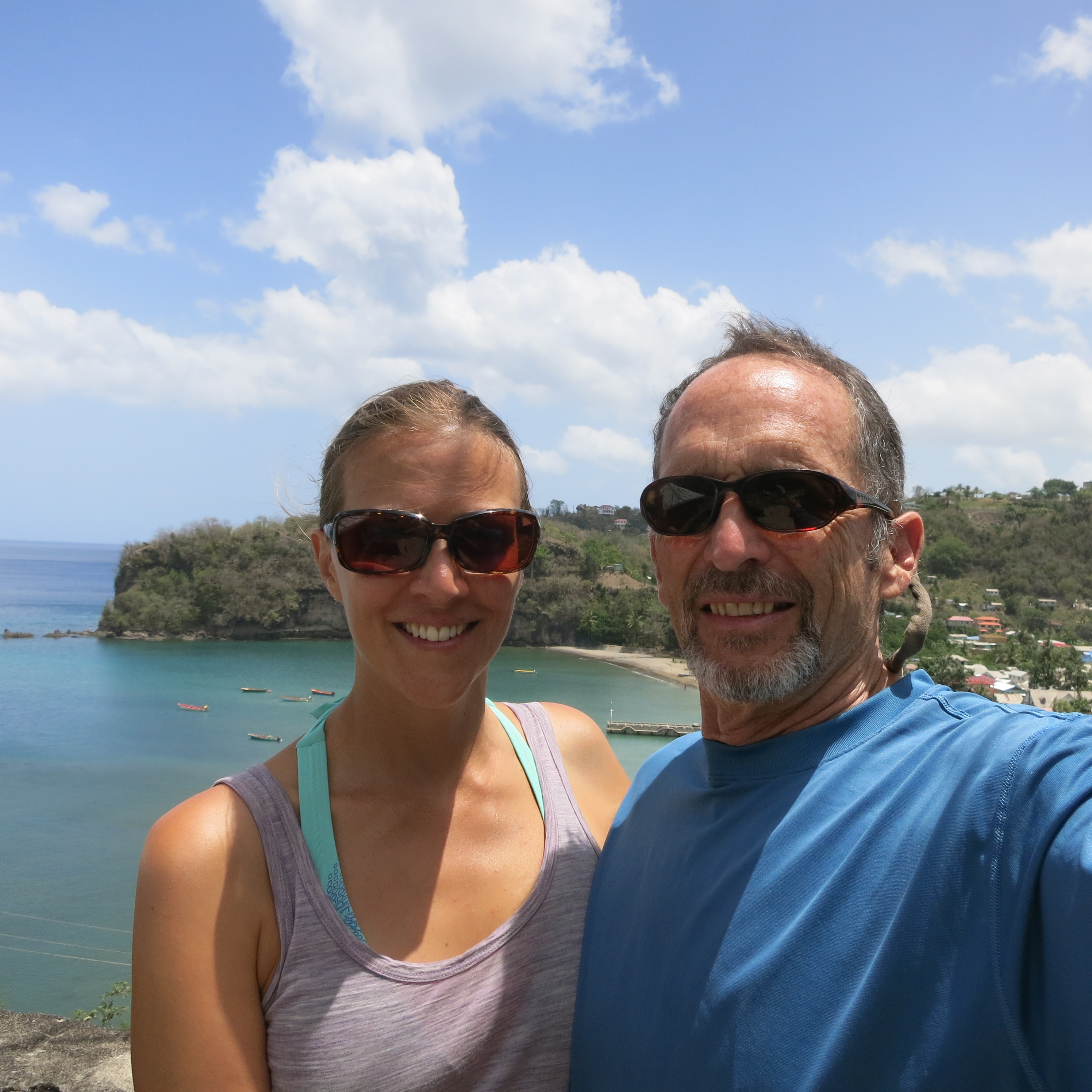
Bay at Anse La Raye in the background

Bay at Anse La Raye in the background

Goodbye, Dominica!

Houses on the outskirts of Gallion, overlooking the Caribbean. Typically, even these remote small houses are tended with pride and care.

Houses on the outskirts of Gallion, overlooking the Caribbean. Typically, even these remote small houses are tended with pride and care.

As our time in Dominica has come to an end, we want to share some general reflections and specific tales of our last week plus. Overall, we had a wonderful time. Dominica is beautiful due to the topography and jungle cover. People appear happy and have a high quality of life regardless of the prevailing low income level. Public services are comprehensive (free potable water, free primary and secondary school, sanitation services, universal health is almost in place, and electricity is common). The crime rate is the lowest in the Caribbean. The real jewel of Dominica, as we see it, is that everyone is growing food. There is no agribusiness but there are hundreds and hundreds of small subsistence farms. Many families grow all their own produce. Eating local isn’t a fad, it is how you survive here and have for generations.

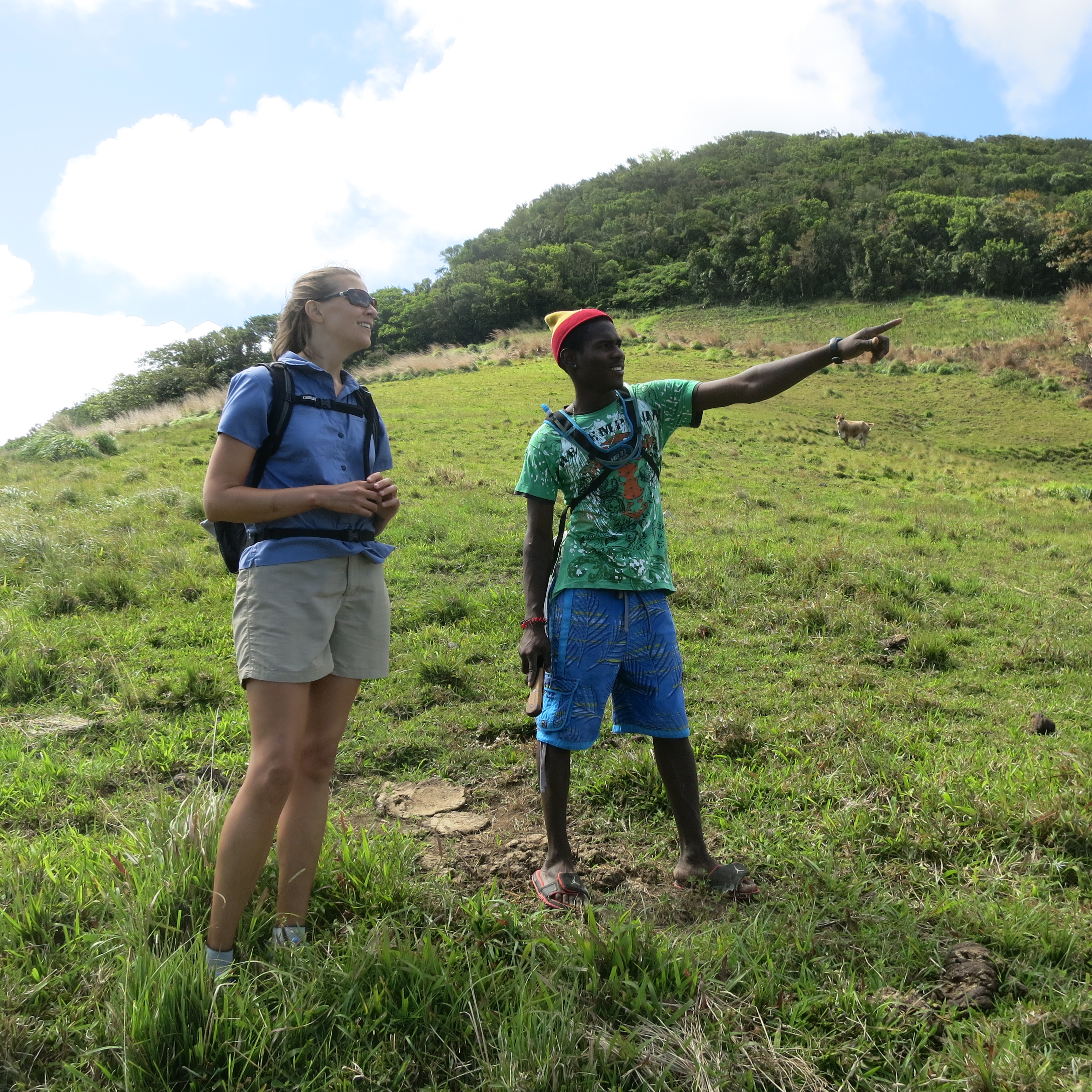
We hired KG to take us hiking one day. He had to clear the trail with his machete, he did the whole thing in slippers, and filled his little camelbak with the water of two green coconuts before we hit the trail.

We hired KJ to take us hiking one day. He had to clear the trail with his machete, he did the whole thing in slippers, he wore his knit hat the whole time despite it being 85 degrees, and filled his little camelbak with the water of two green coconuts before we hit the trail.

Dominicans have a complex creole heritage mixing cultures from Europe, particularly France, the indigenous Kalinago and West Africa. The result is a high Roman Catholic church attendance (80%) that coexists with myths and taboos that seem fantastic to the outsider…. The Soukouyan is a female witch. You can protect yourself from one by carrying garlic. A Loogawoo can turn itself into an animal. In human form, you can identify them on the street as they will not pass you on their left. When a Loogawoo dies, it rains all day. To ward off evil spirits and for healing potions you can seek out medicine from the nearest Obeah, a practitioner of folk magic and sorcery. My favorite is the Jumbies. They are evil forest spirits that attack after dark. To ward them off simply curse them or their mother. You can also take your shoes off, place them on the ground backwards and sit on them, wear you shirt backwards and place dirt on your head. I asked a 20-year-old local guide if he had encountered jumbies. He said a year ago, one flew up in front of him as he walked home in the dark. To make his escape he ran home.

The shallow ledge we were able to snorkel out to when the conditions where just right and where we saw an octopus.

The shallow ledge we were able to snorkel out to when the conditions where just right and where we saw an octopus.

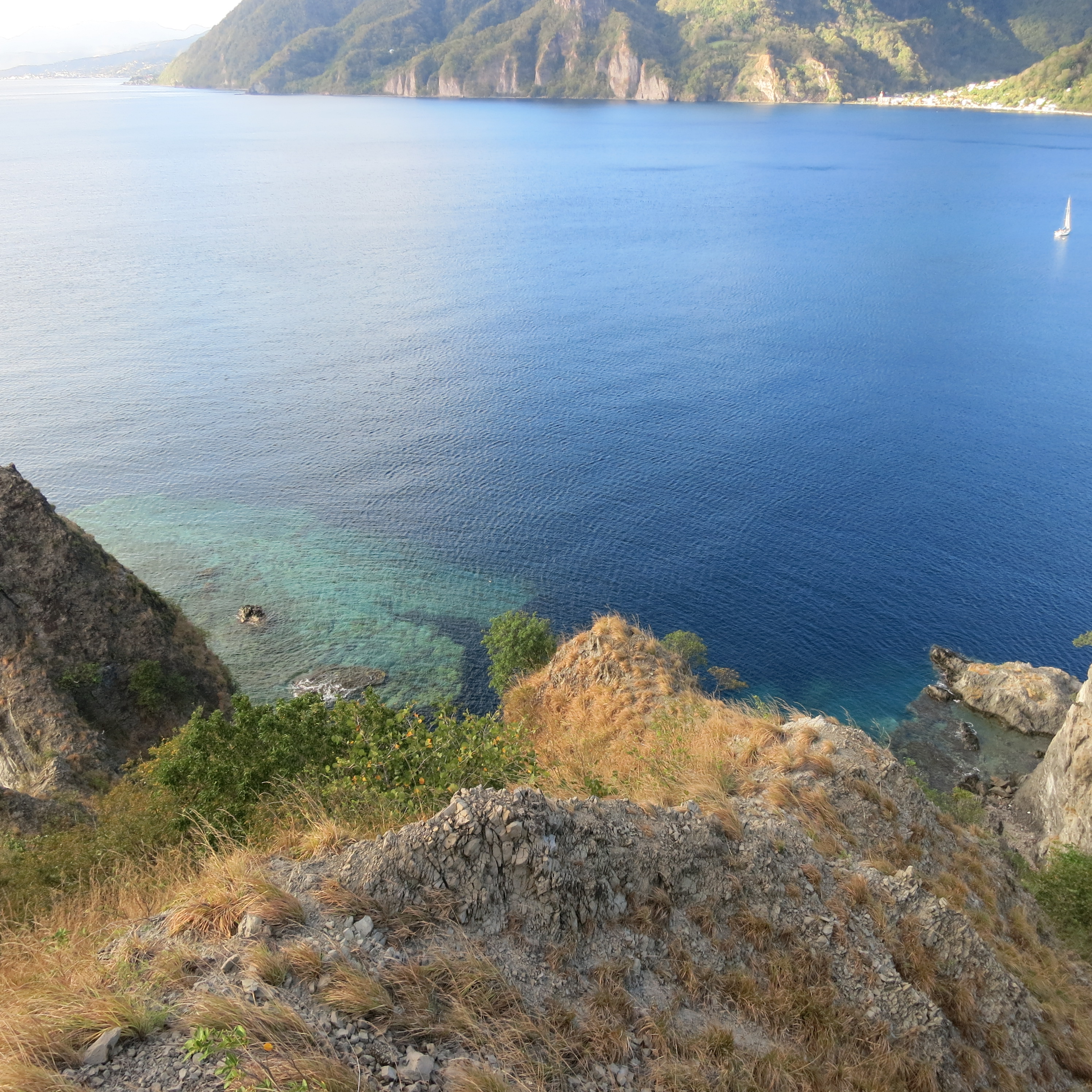
One of the daily highlights of our time in Dominica was the snorkeling. As we gained more familiarity with the current and wave patterns (and talked to more locals about their experiences) ,we became bolder and explored farther. On calm mornings, we could swim out to where the Atlantic and Caribbean meet and view a large shallow shelf filled with coral and fish. It was stunning and one morning an octopus quietly revealed itself sunning in the shallows and let us watch for at least 10 minutes. We also snorkeled farther and farther distances, one day traversing over 2 miles along the coast (from Scott’s Head to Champagne Reef). In the middle of that swim, we came across a very large number of fish schooling. En masse, they created a solid wall blocking out all sunlight and filling the sea from the surface to the ocean floor, which was about 30 feet deep. We observed five 24-inch jacks preying upon them. We continued to watch this beautiful mass of silver bodies until they swarmed around and under us; our best estimate was that there were 1-2 million fish making up that school. Words are unable to do justice.

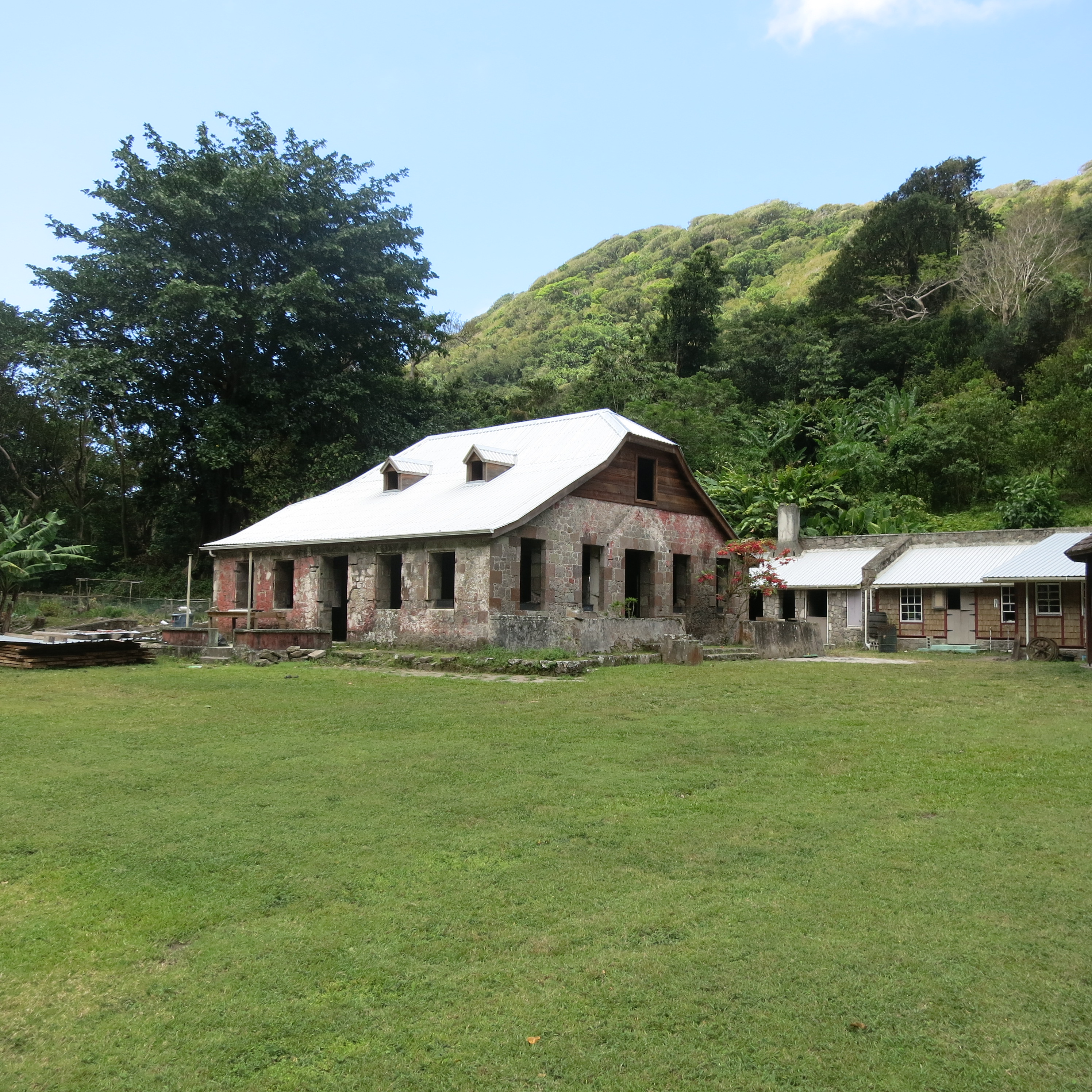
"La maison" at Bois Cotlette Estates. History buffs can read up more and see a picture of this building 100 years ago here: http://www.lennoxhonychurch.com/article.cfm?id=386

“La maison” at Bois Cotlette Estates. History buffs can read up more and see a picture of this building 100 years ago here: http://www.lennoxhonychurch.com/article.cfm?id=386

On an afternoon hike, we stumbled upon an information sign for an old estate, called Bois Cotlette. We followed our noses and ended up meeting an American couple that bought this estate two years ago. The land was first cultivated in the 1740s and was a plantation for sugar, coffee, cacao, and lime at various points in time. They have done a remarkable job of presenting (and preserving) the ruins that make up the various buildings associated with the plantation. It was quite beautiful and allowed us to learn more about the    history of the island.

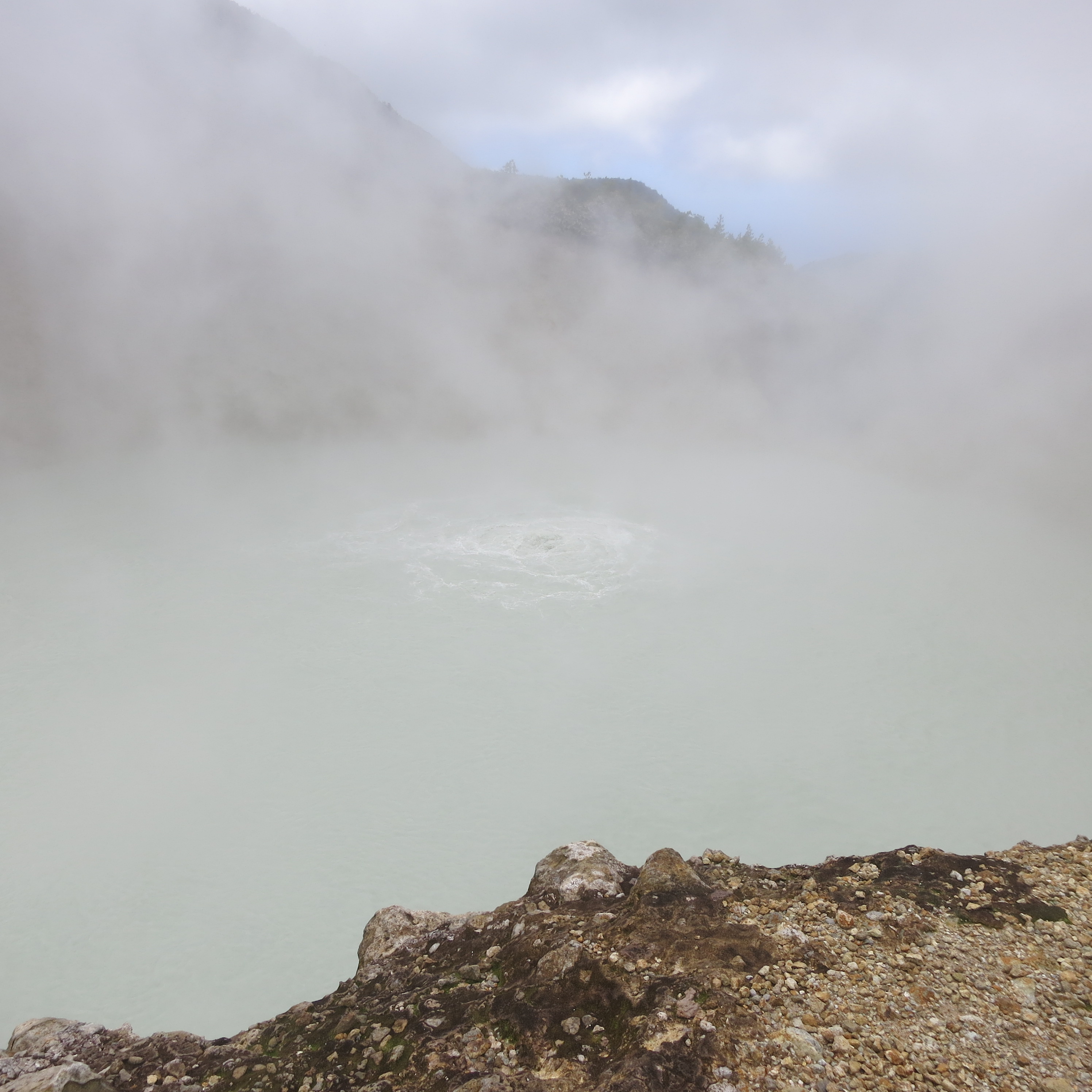
Boiling Lake with a view of the erupting bubbles in the middle

Boiling Lake with a view of the erupting bubbles in the middle

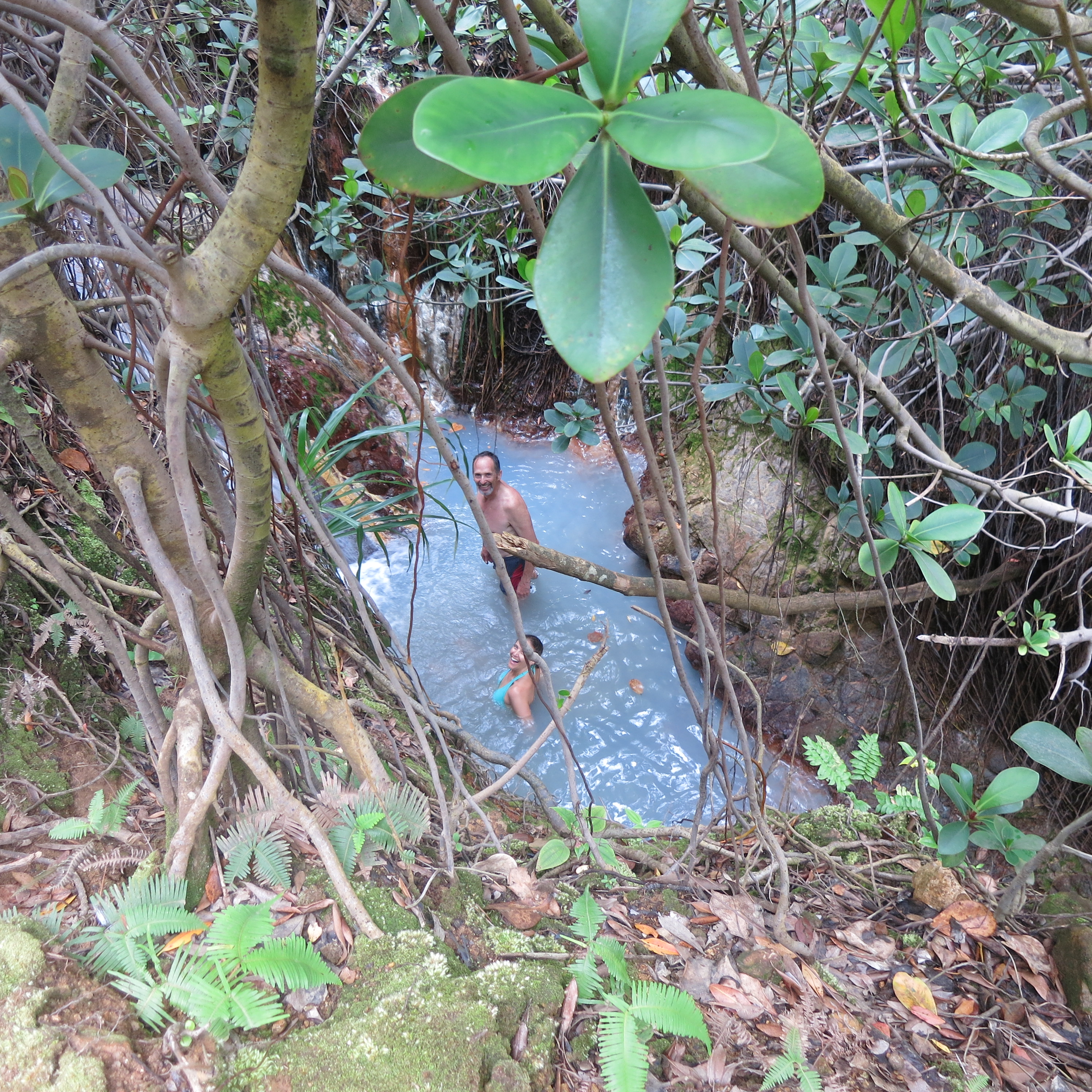
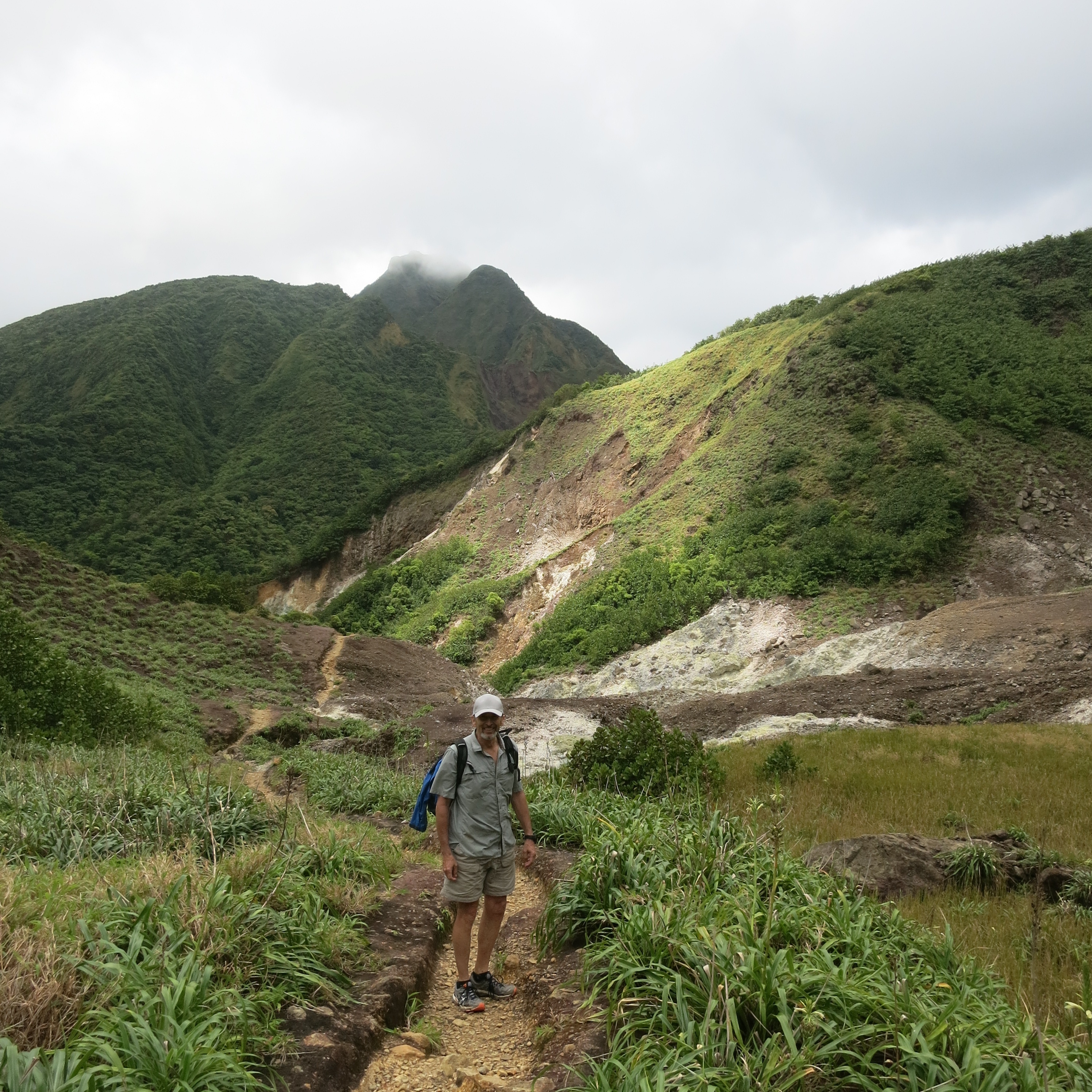
Dominica proudly claims the second largest boiling lake in the world. However, few Dominicans have seen this lake because the trail is a physically challenging route with steep steps, slippery mud, spitting fumaroles, and numerous stream crossings. Guides advise you will travel at about one mile an hour between the leg workout and the views, which makes the 8 mile hike an all-day event. We got to walk through elfin woodlands, rainforest, sulphur deposits; we heard one of the native parrots; we saw both the Atlantic and Caribbean from the middle of the island; we rested our muscles in a trailside hot mineral stream; and we saw a boiling lake. The lake is about 200 feet across and in the center a rolling boil erupts in large bubbles constantly. At the viewpoint 100 feet above the lake, we were bathed in hot steam. It was awesome!

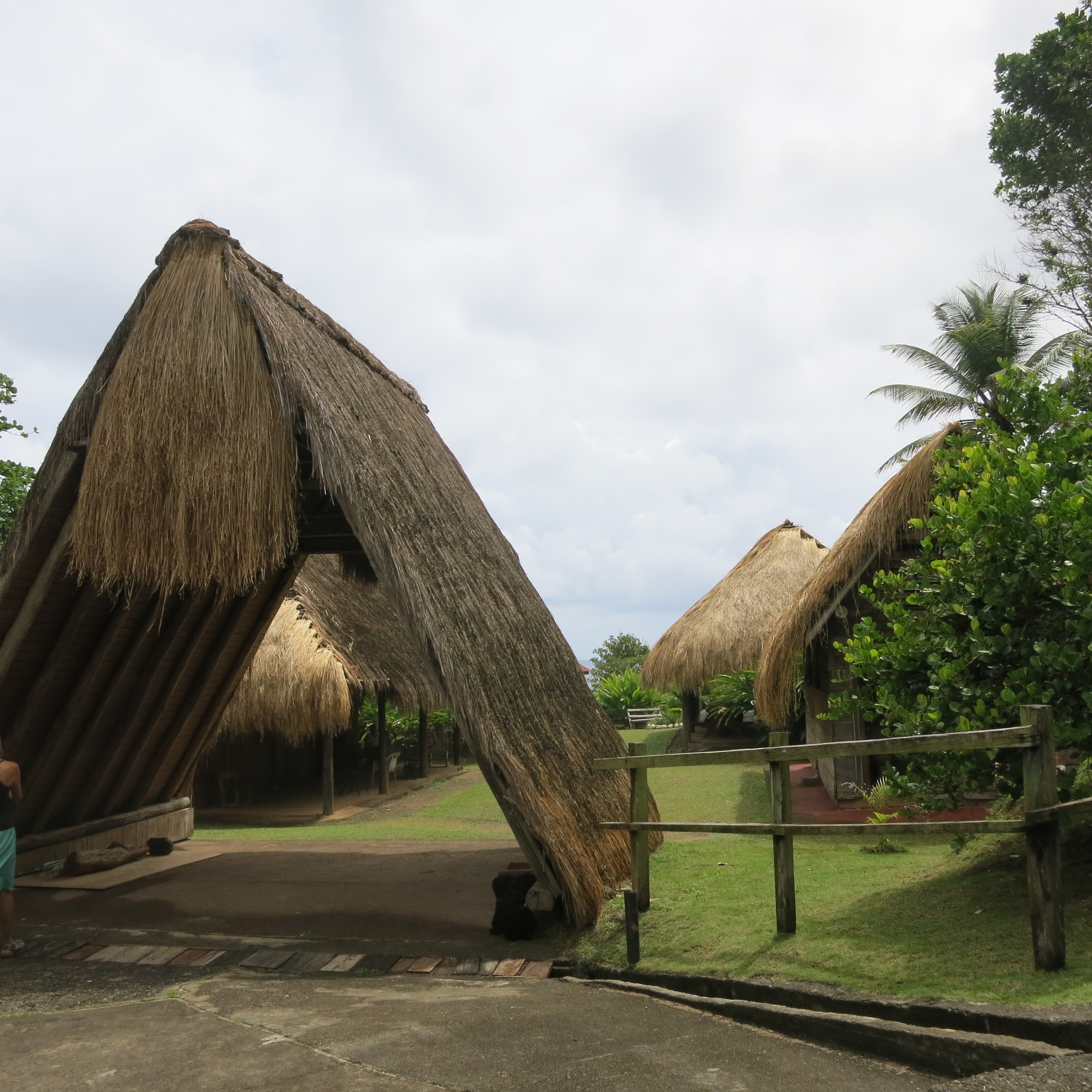
Kalinago Barana Aute where buildings are made using the traditional methods

Kalinago Barana Aute where buildings are made using the traditional methods

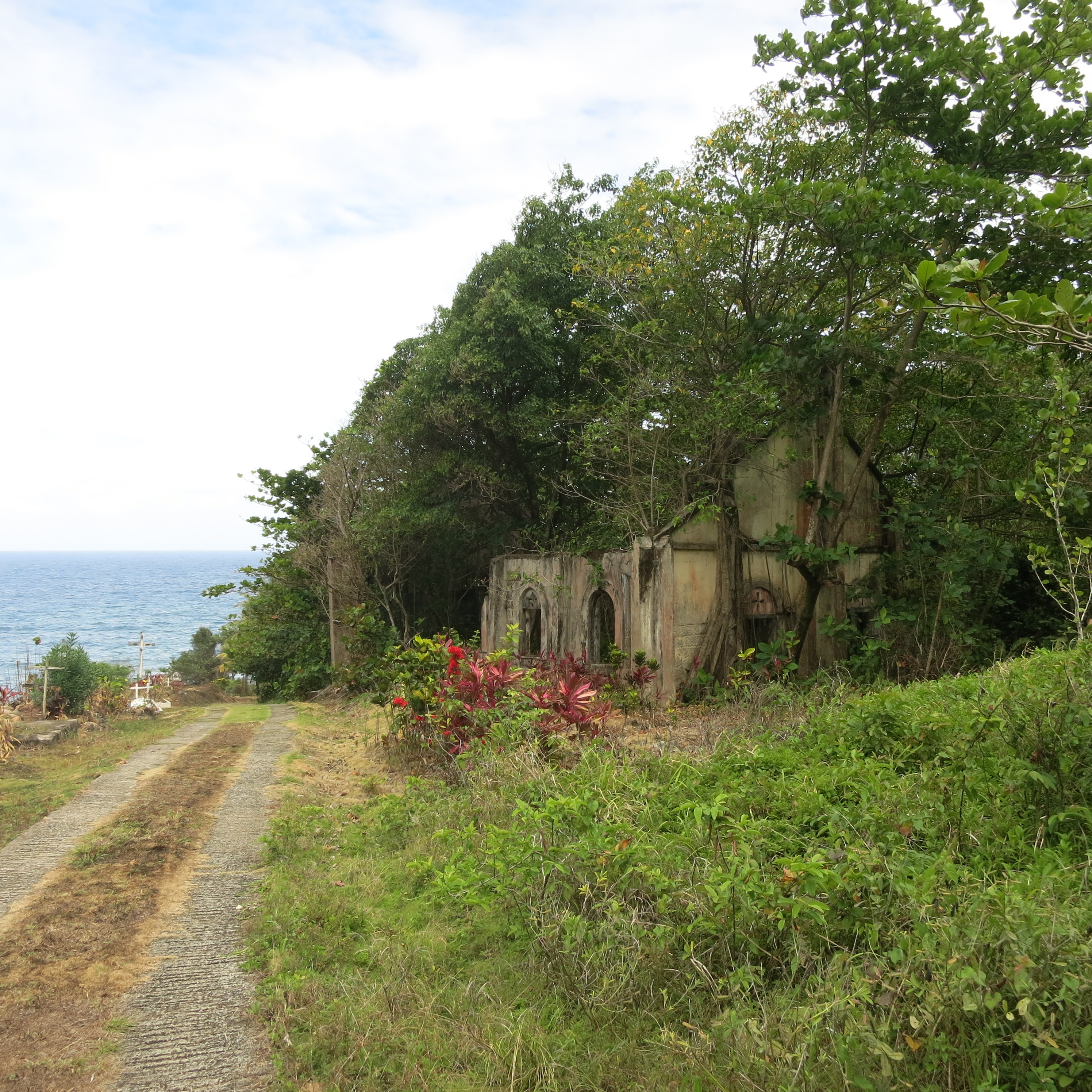
We previously mentioned that Dominica has a population of Carib Indians. They prefer to be called their self-given name “Kalinago.” We visited the Kalinago Territory (a bit like an Indian Reservation in the States, this is the tiny parcel of land the invading Europeans finally agreed to not take from them) and saw a model village that has traditional buildings, cooking implements, boats, etc. We learned that the word “Carib” means cannibal and the early European explorers believed they were cannibals due to their custom of keeping the skulls of ancestors on their front porch. Because it created fear in the oppressors, the Kalinago didn’t bother to correct the assumption and thus the Caribbean got its name. Our tour also included visiting the ruins of the first Roman Catholic church on the island, meeting an old Chief who is an artist, and seeing buildings abandoned due to earthquake damage. On the walk back, we saw land and freshwater crabs and dipped in a river. Tomorrow we fly to St. Lucia.

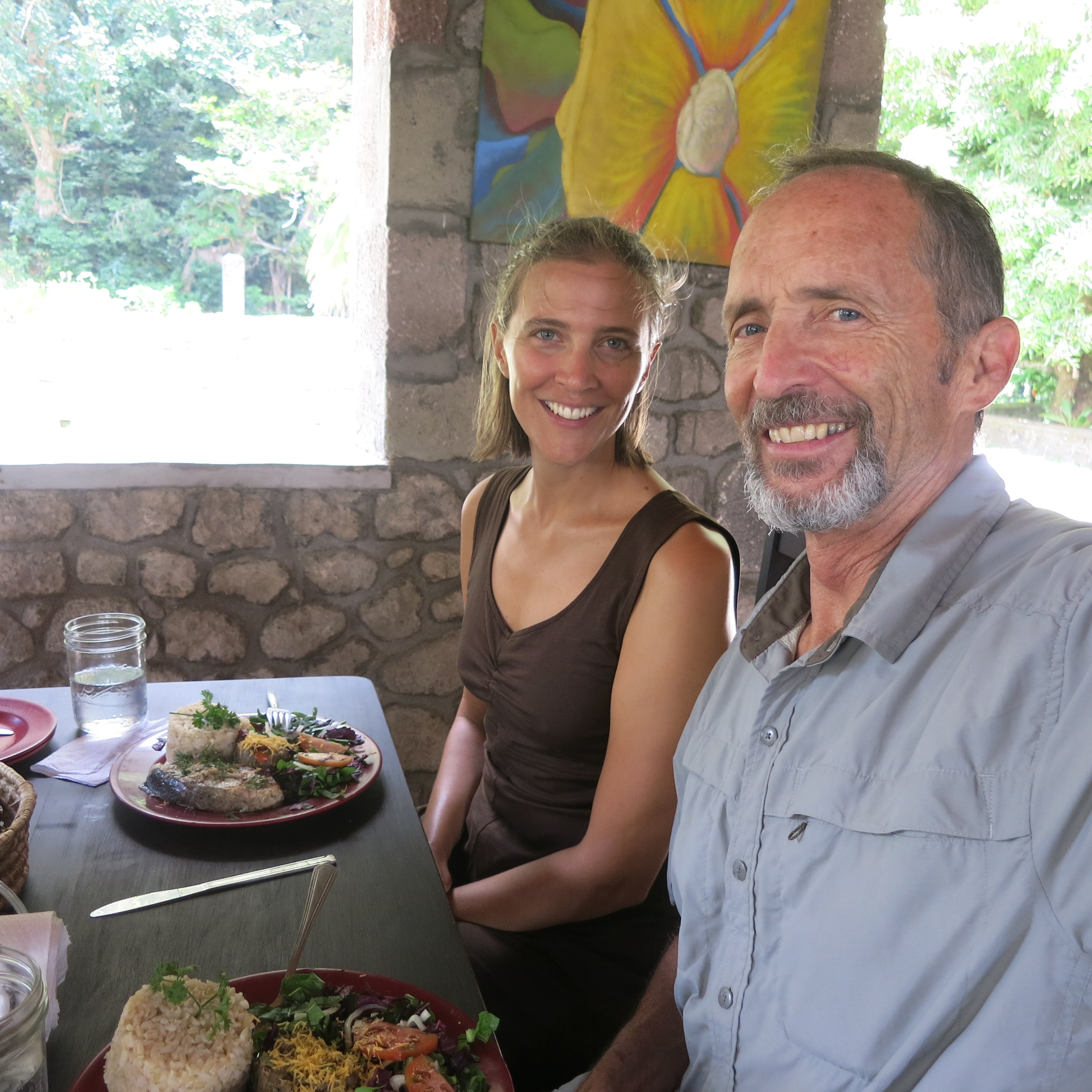
A delicious lunch we had at Bois Cotlette

A delicious lunch we had at Bois Cotlette


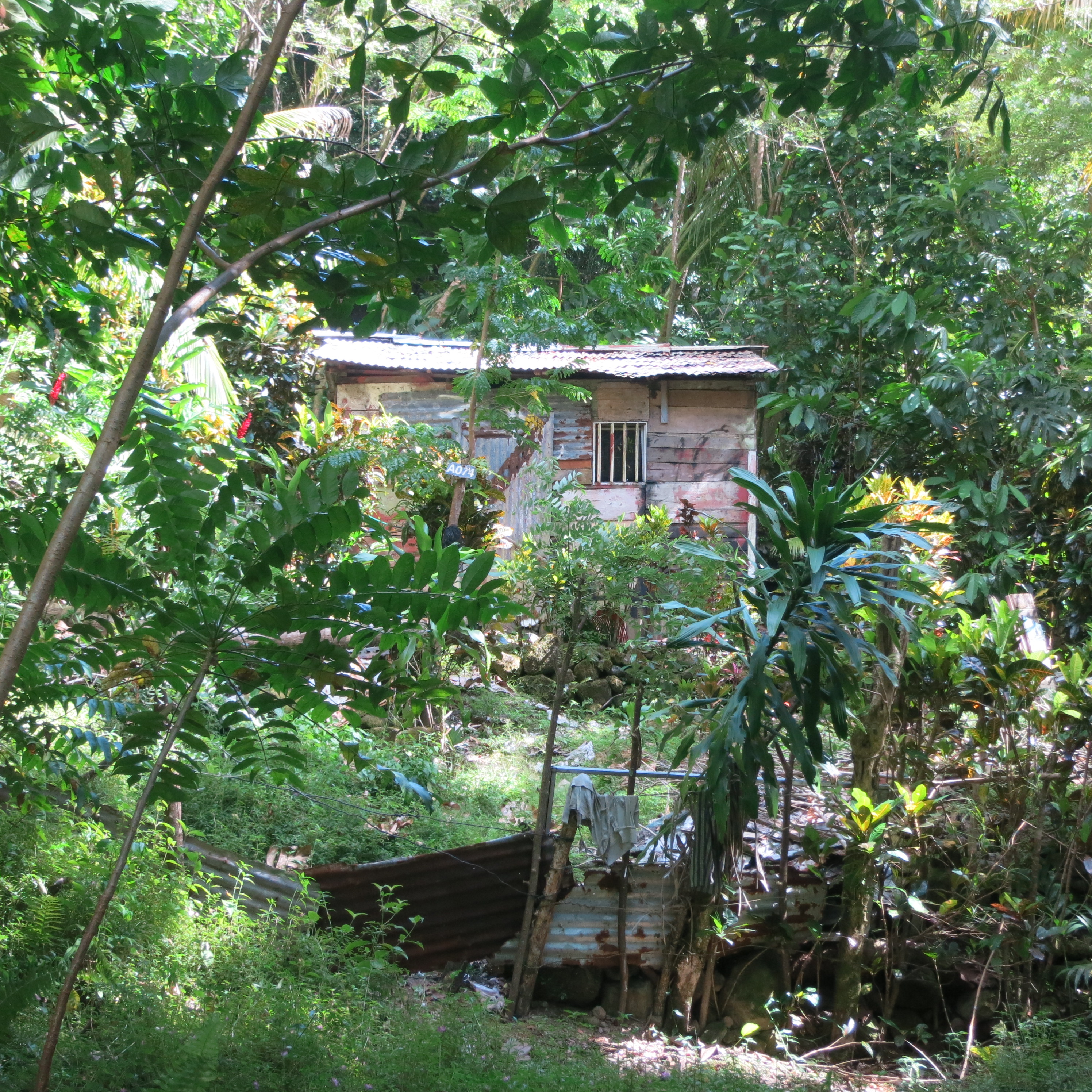
A typical house in the bush made of what materials are available

A typical house in the bush made of what materials are available

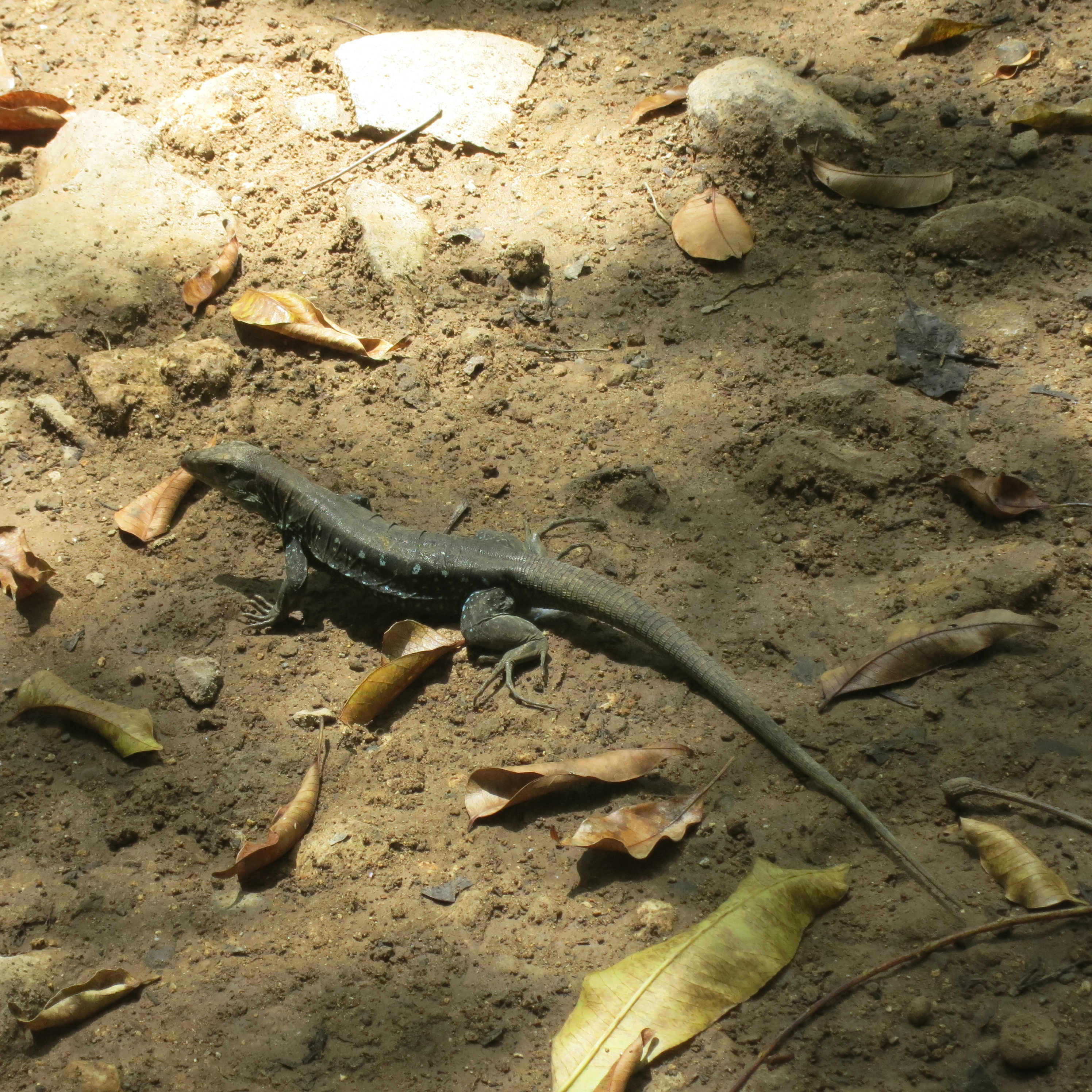
These lizards are all over the place here

These lizards are all over the place here

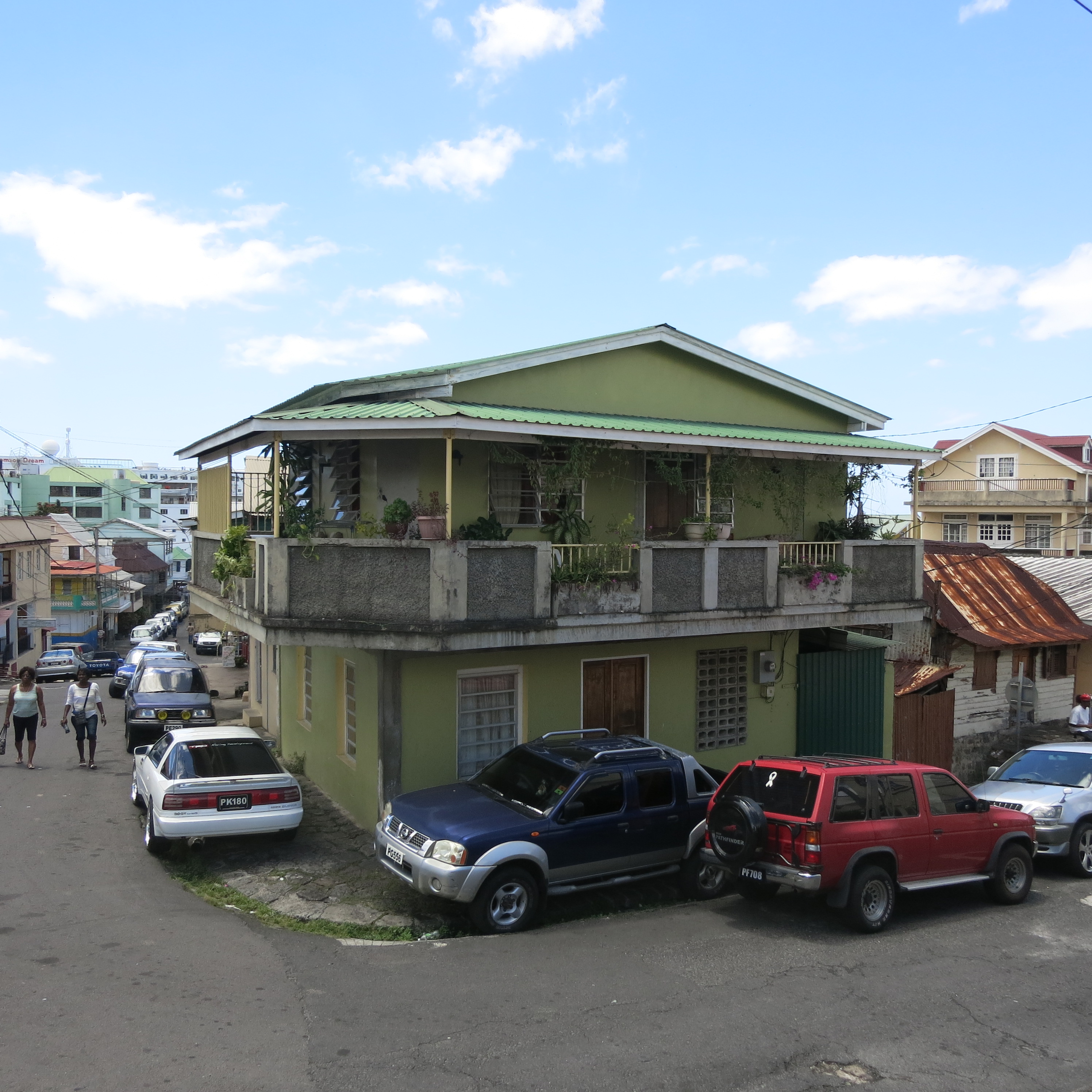
A nicer house in Roseau. The parked cars give a sense of how hard it is to get around as a pedestrian.

A nicer house in Roseau. The parked cars give a sense of how hard it is to get around as a pedestrian.

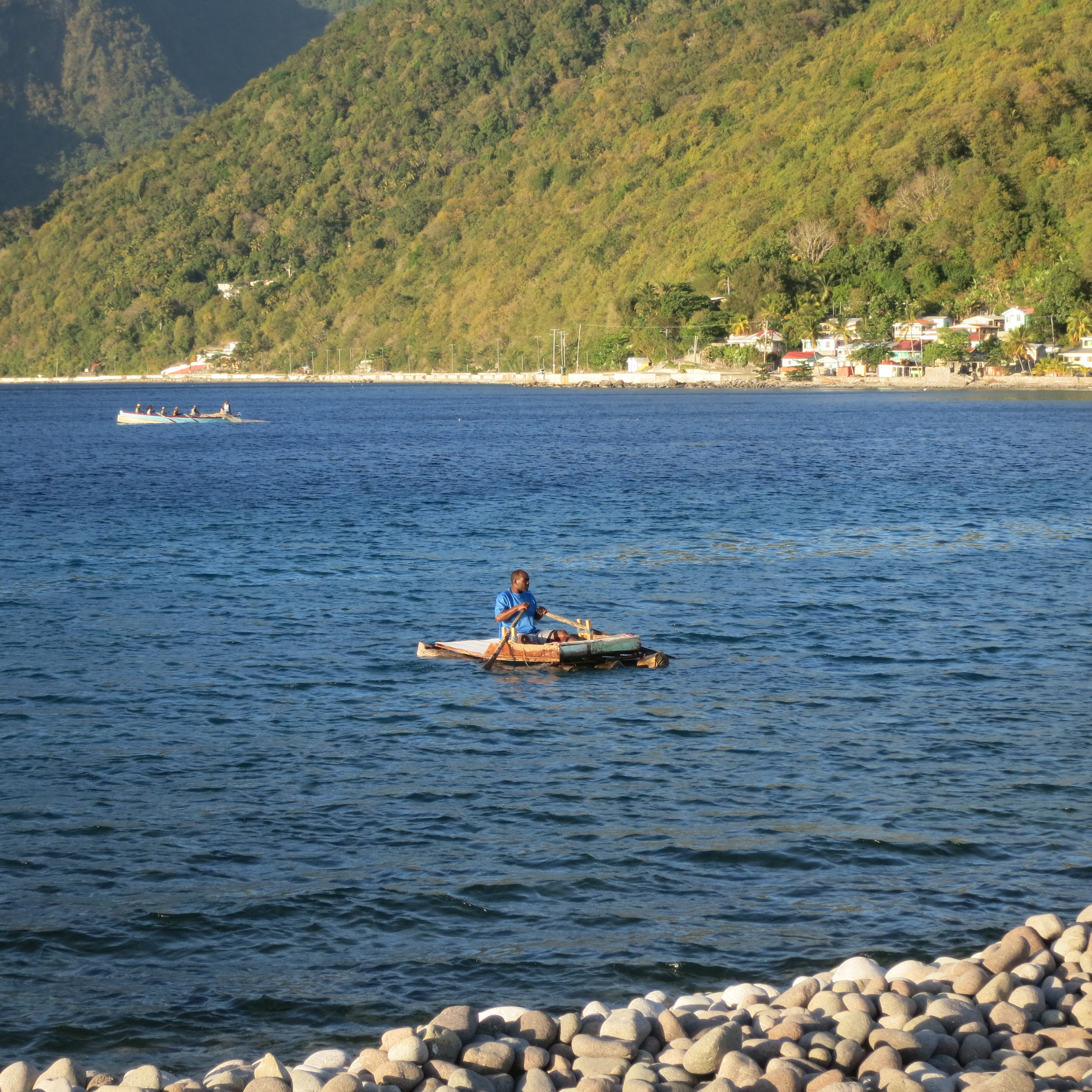
A simple raft built of scraps of wood. It doesn't have much speed but floats and is working for this fisherman.

A simple raft built of scraps of wood. It doesn’t have much speed but floats and is working for this fisherman.

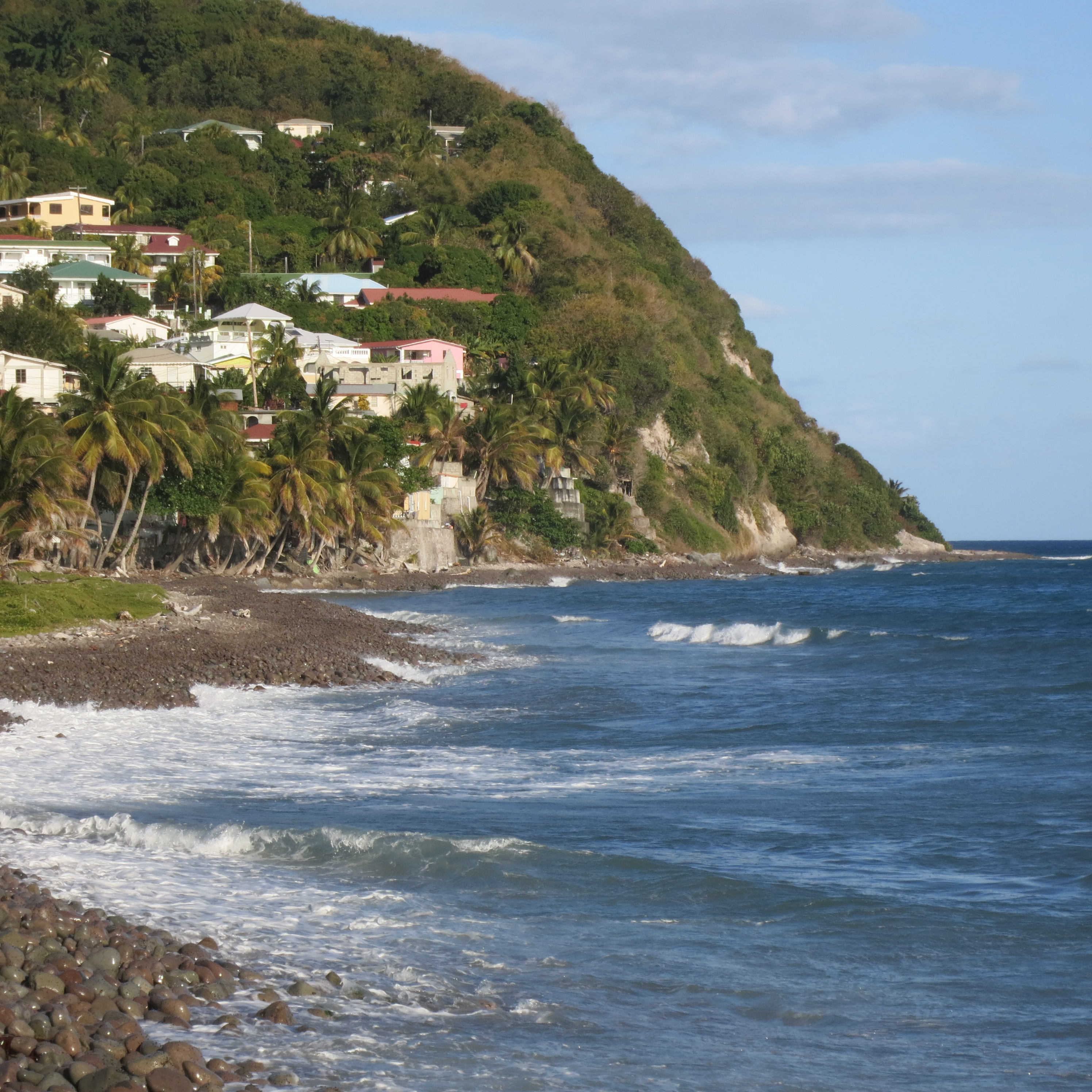
The much rougher Atlantic side of Scotts Head. Ours is the long red roof closest to the edge.

The much rougher Atlantic side of Scotts Head. Ours is the long red roof closest to the edge.

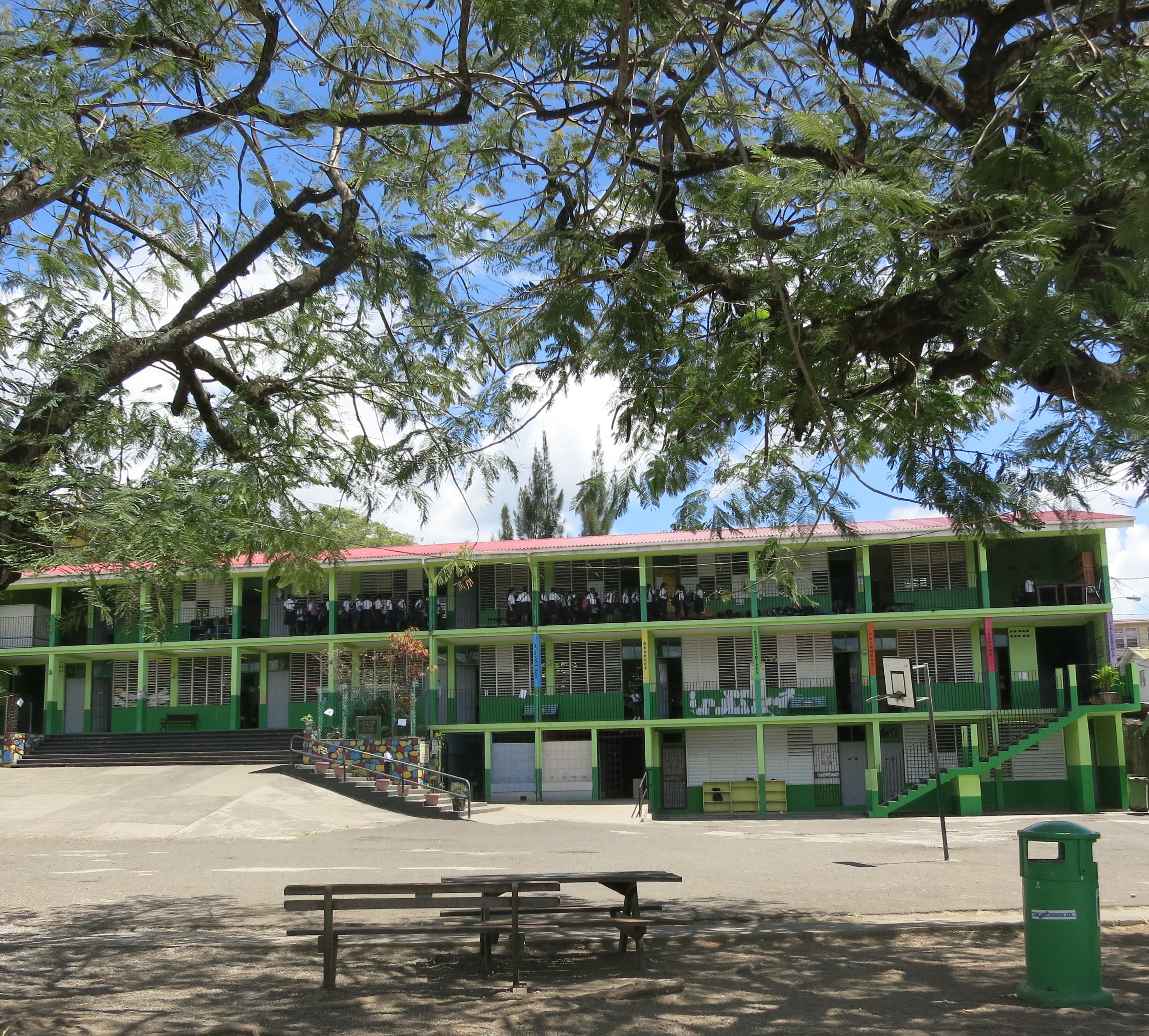
A school in Roseau. Schools are commonly built this way to maximize airflow. Students always wear uniforms.

A school in Roseau. Schools are commonly built this way to maximize airflow. Students always wear uniforms.

The ruins of the first Catholic Church in Dominica. We appreciated this graveyard having an excellent view and cooling breeze. The church was abandoned after an earthquake made it unsafe.

The ruins of the first Catholic Church in Dominica. We appreciated this graveyard having an excellent view and cooling breeze. The church was abandoned after an earthquake made it unsafe.

We saw this same caption in multiple museums and had to remember that we all view history through our own lens. Dominicans see Columbus's greatest achievement is that he made it home alive.

We saw this same caption in multiple museums and had to remember that we all view history through our own lens. Dominicans see Columbus’s greatest achievement is that he made it home alive.

The rough Atlantic coast. Note how the plants are all shaped by the wind.

The rough Atlantic coast. Note how the plants are all shaped by the wind.

The trail to Boiling Lake. About half of the trail was steep steps like these.

The trail to Boiling Lake. About half of the trail was steep steps like these.

Taking a dip in a hot mineral stream on the side of the trail. The water was a blue white.

Taking a dip in a hot mineral stream on the side of the trail. The water was a blue white.

The trail to Boiling Lake. The peak in the distance (that is in the clouds) was the highest point we climbed to that day. We stood on top of that peak and could see both oceans on both sides of the island.

The trail to Boiling Lake. The peak in the distance (that is in the clouds) was the highest point we climbed to that day. We stood on top of that peak and could see both oceans on both sides of the island.

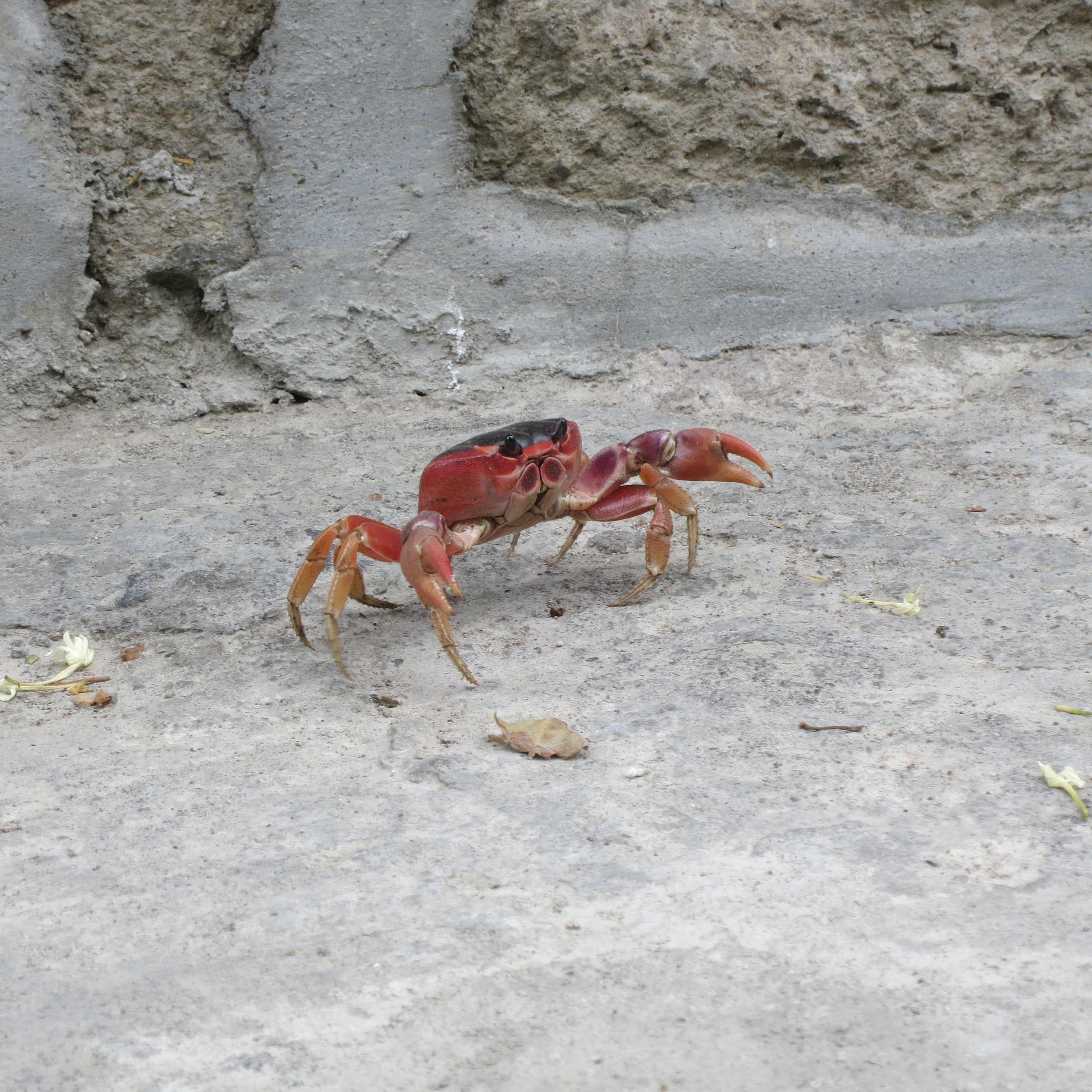
These land crabs are everywhere in Dominica. They are mostly nocturnal so this was a rare daylight sighting. This guy was about six inches across.

These land crabs are everywhere in Dominica. They are mostly nocturnal so this was a rare daylight sighting. This guy was about six inches across.

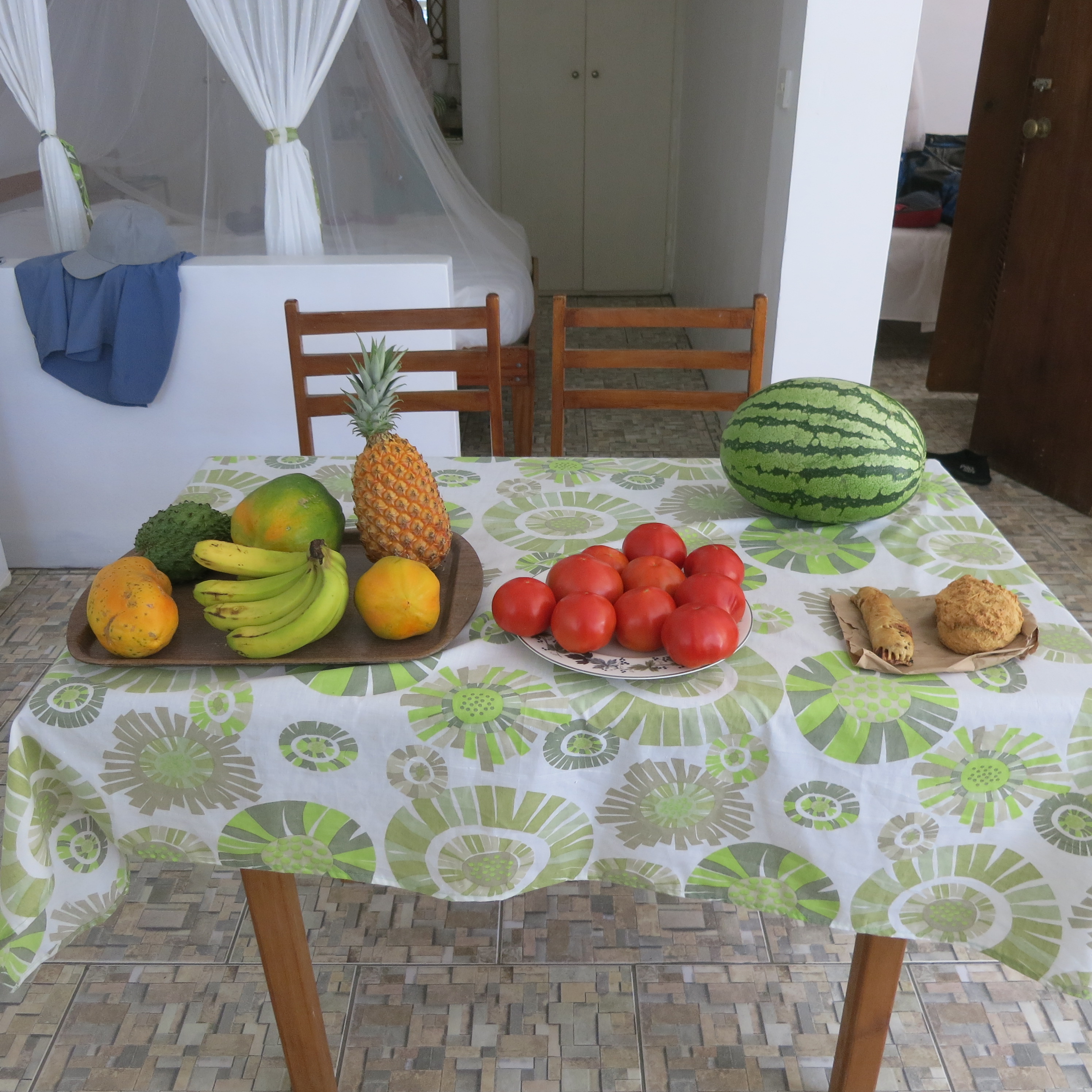
The bounty of the local farmer's market brought back home

The bounty of the local farmer’s market brought back home

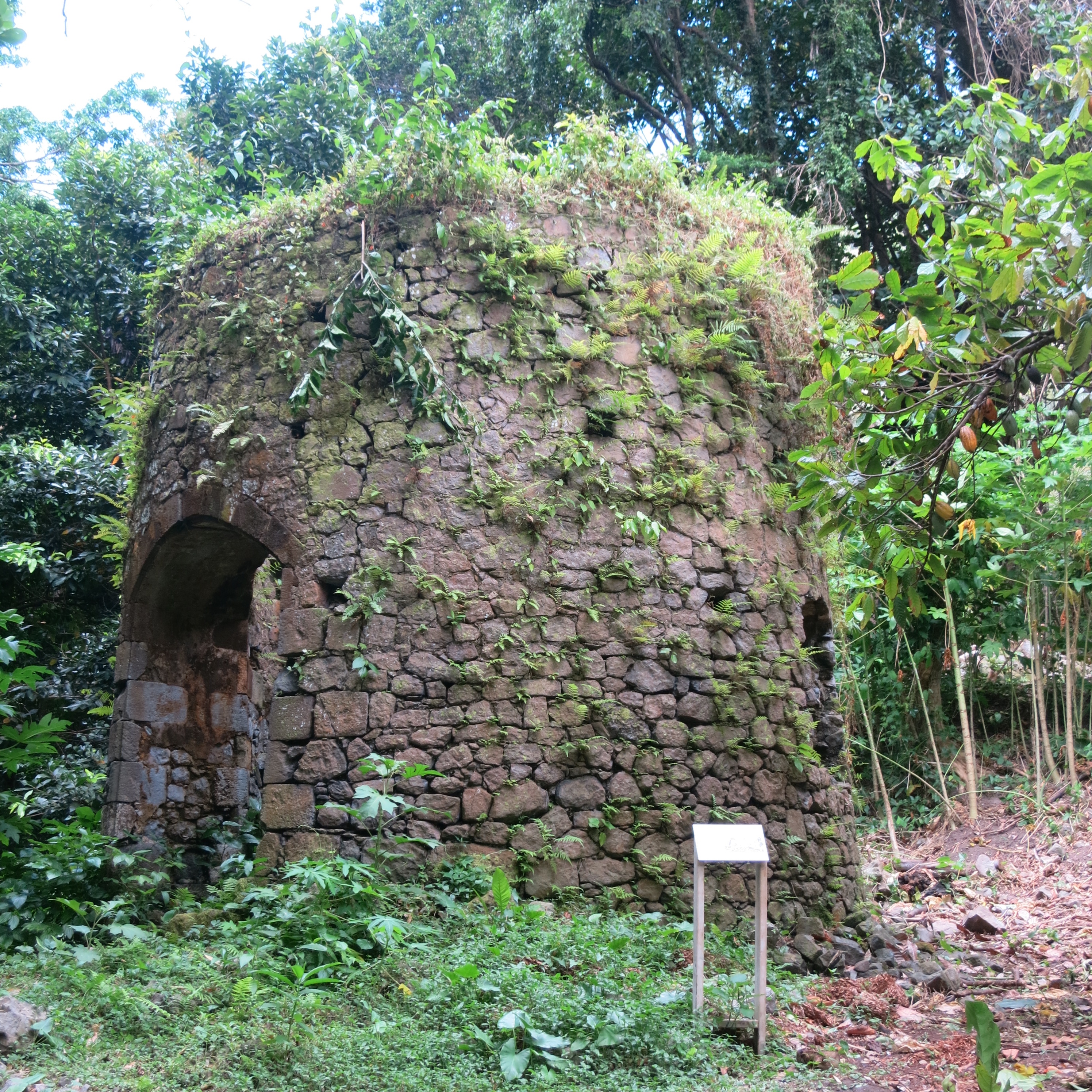
Ruins of a windmill at Bois Cotlette. They harnessed the windmill to squeeze the juice out of sugarcane. Note the cacao tree on the right.

Ruins of a windmill at Bois Cotlette. They harnessed the windmill to squeeze the juice out of sugarcane. Note the cacao tree on the right.

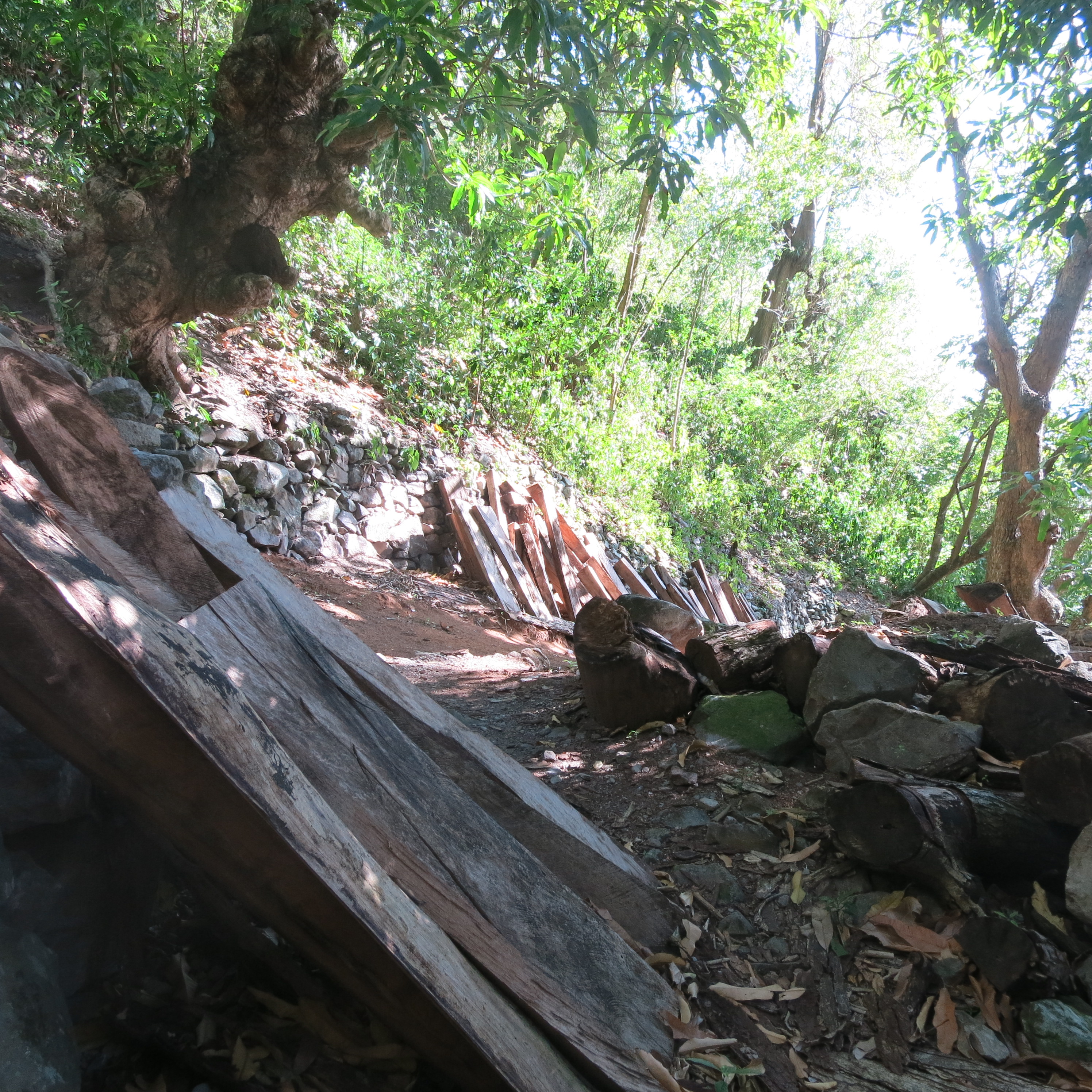
Dominica has very little indications of large-scale industry. Despite having a jungle, there is no logging. Almost everything is done at a small neighborhood scale. Portable mills were common on the side of the trail in places far from roads or any vehicle access, and no sign of a fixed sawmill.

Dominica has very little indications of large-scale industry. Despite having a jungle, there is no logging. Almost everything is done at a small neighborhood scale. Portable mills were common on the side of the trail in places far from roads or any vehicle access, and no sign of a fixed sawmill.